



The landscape of international cricket is changing rapidly and few matches generate as much anticipation and political scrutiny as those involving the Indian cricket team. After the recent political changes in Dhaka, there has been speculation about the resumption of bilateral cricket ties. India and Bangladesh. At the same time, fans and pundits are eager to get a glimpse of India’s long-term plans. 2027 ICC Cricket World Cupespecially regarding the future of veteran badges Rohit Sharma and Virat Kohli. In an exclusive chat, Board of Control for Cricket in India (BCCI) the secretary Devajit Saikia answered these burning questions by bringing important clarity to the strategic and diplomatic road map of the council.
BCCI clarifies its position on the possibility of resuming bilateral ties with Bangladesh
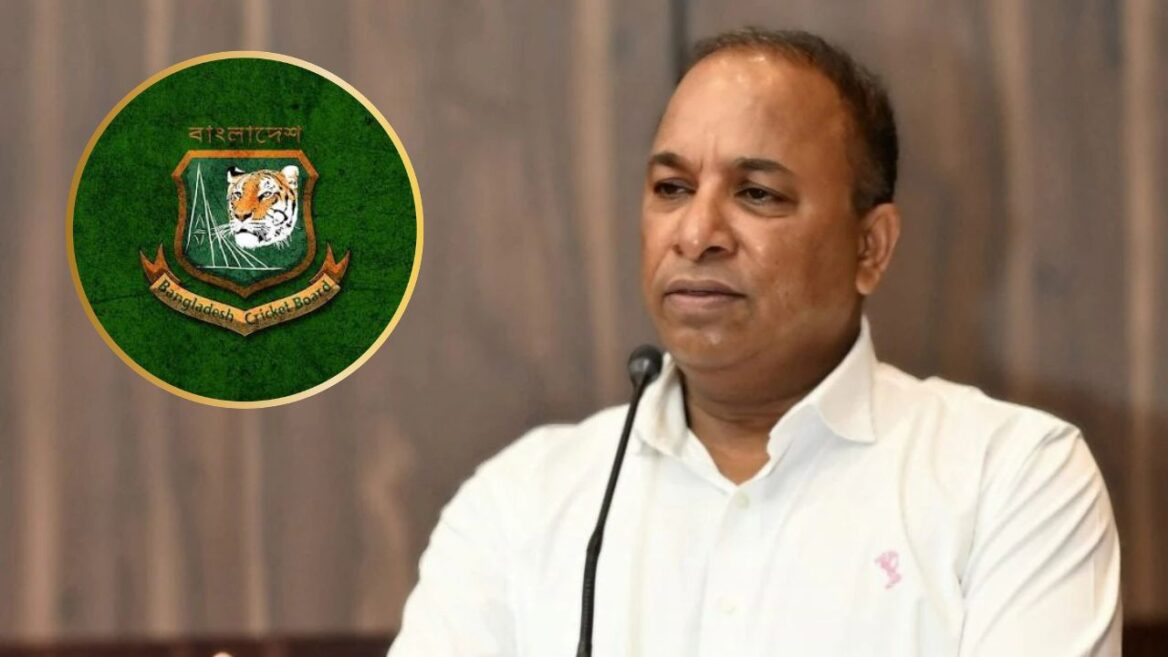
Cricket ties between India and Bangladesh were suspended last year when the planned white-ball tour of the Indian team was postponed due to widespread civil unrest in the neighboring country. Now Bangladesh has switched to an elected government Bangladesh Cricket Board (BCB) led by its new president, former captain Tamim Iqbalwhispers of a bilateral restart have intensified. Iqbal has openly expressed his interest in bringing India back to the diplomatic crisis.
However, Saikia made it clear that BCCI will not make independent political assessments. The Council’s position remains clearly dependent on New Delhi’s foreign policy.
“BCCI is the governing body of cricket and we have nothing to do with what happens politically in other countries, whatever rules and policies the central government imposes, we follow them like any other sports federation.Saikia told PTI. He stressed that the council operates strictly within the boundaries set by the central government.
Saikia further clarified that the neighboring country’s internal governance structure does not dictate BCCI’s scheduling decisions. Whether the government is democratically elected or otherwise is secondary to official state approval. For cricket fans hoping for a bilateral series, the message is clear: matches will go ahead only after the Indian government gives the firm green light, ensuring that sports schedules comply with national security and diplomatic protocols.
Also WATCH: Saif Hassan takes a stunning catch to dismiss Cooper Connolly in AUS 2nd T20I against BAN
The strategic roadmap for the 2027 World Cup remains strictly behind closed doors
Apart from cross-border diplomacy, the internal transition of the Indian team is a topic of wide debate. The roadmap for the 2027 World Cup has divided the cricket fraternity, primarily over whether legendary white-ball icons Rohit and Kohli feature in the final plan. While both the veterans have expressed their desire to play in the mega event, head coach Gautam Gambhir and chief selector Ajit Agarkar they remained particularly unfaithful.
When pressed on whether the BCCI has started formal discussions on the transition, Saikia firmly put a stop to public speculation and said that the board’s strategies “not intended for public consumption.”
According to the BCCI Secretary, the planning process is done on a continuous and highly collaborative basis involving the cricket committee, selectors, support staff and the players themselves. As communication channels remain open, Saikia said there is no need for urgent or special meetings to decide the future of the senior players. While the public eagerly awaits definitive answers on the team’s evolution, the BCCI prefers boardroom privacy to allow the team to build its 2027 campaign away from media pressure.
Also READ: There is no place for Sachin Tendulkar as Stuart Broad unveils his greatest ever Test XI

