


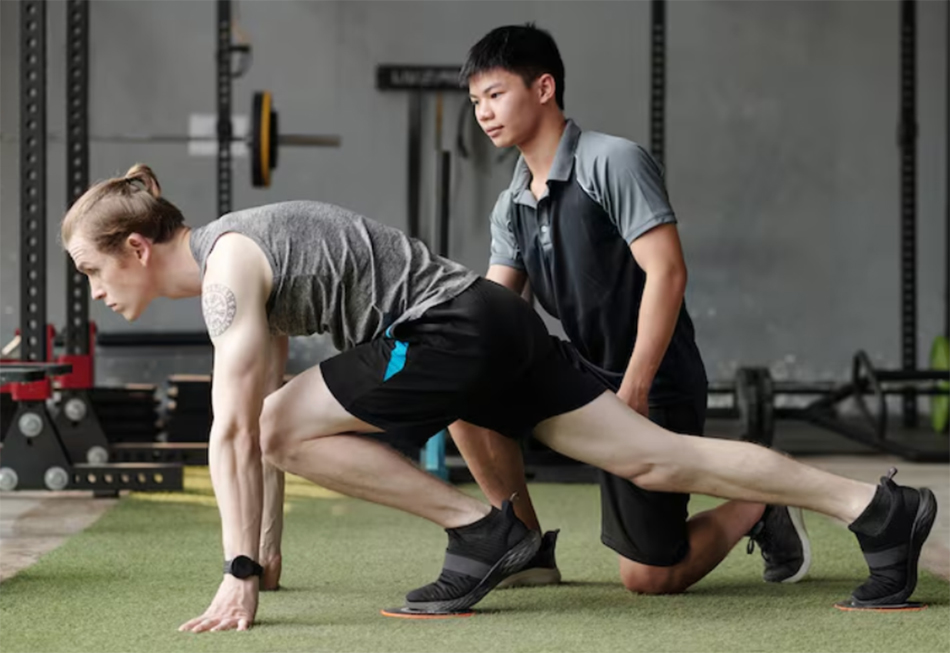
Sports figures are rarely formed by one big breakthrough. More often than not, it improves through small changes that are repeated over time.
A little better session structure, improved recovery habits or a more controlled race pace can gradually lead to stronger results on the track, road or field.
For most athletes, the difference between average and improved performance is not dramatic. It often comes down to improving daily habits and paying attention to the details that contribute to long-term progress. These small improvements may seem small individually, but together they build a more complete and reliable athlete.
In this article, we explore how small improvements in training can lead to better athletic performance and how athletes can apply them during training, recovery, and competition.
Developing effectiveness through a consistent learning structure
A well-structured training routine is one of the most important foundations of athletics. Small improvements in session scheduling and iteration can have a significant impact on performance over time.
For example, balancing different types of training during the week can help athletes train more efficiently.
This may include:
- Easy jogging to build endurance.
- Interval sessions to improve speed and efficiency.
- Strong work to support stability and strength.
- Recovery sessions to reduce fatigue.
Instead of pushing each session to the limit, athletes benefit from maintaining a steady rhythm. Consistent training allows the body to gradually adapt, which promotes both performance and long-term development.
Even small changes, such as improving the timing of sessions or maintaining a regular weekly routine, can make training more manageable and effective.
Improving running performance through technique
Performance in athletics is not just about effort. It’s also about how effectively that effort is used. Small technical improvements can help athletes move more smoothly and reduce unnecessary energy loss.
For runners, this may include:
- Maintaining an upright posture.
- Keeping the upper body relaxed.
- Improvement of gait rhythm and foot placement.
For field events, this may mean adjusting movement patterns, timing, or body position during drills.
These changes are often subtle, but they can lead to more efficient movement. Over time, improved technique allows athletes to perform at a higher level without increasing overall effort, which becomes especially important during competition.
The cost of controlled progress
One of the most effective ways to improve performance is to gradually increase the training load. Sudden increases in intensity or volume can lead to fatigue or setbacks, while controlled progression helps the body adapt safely.
Minor progress improvements may include:
- Increase the distance a little each week.
- Adding one extra break to the session.
- Improved speed control during tempo runs.
These changes help athletes gain confidence in their training. They also reduce the risk of overtraining, which can interrupt progress.
In athletics, consistency often produces better results than intensity alone. Athletes who train consistently are more likely to maintain their performance throughout the season.
Recovery habits that support better performance
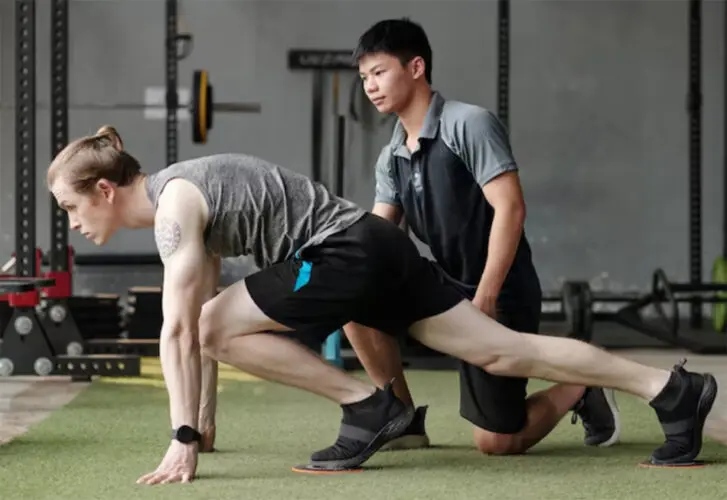
Recovery plays a key role in how well training improves performance. Small improvements to recovery habits can help athletes stay fresh, reduce fatigue and prepare for upcoming sessions.
Important recovery habits include:
- Getting consistent sleep.
- Stay properly hydrated.
- Including light stretching or mobile work.
- Allowing time to rest between intense sessions.
These may seem like simple actions, but they directly affect how the body responds to training. Athletes who recover well are more likely to perform consistently and avoid unnecessary setbacks.
Recovery is not separate from training. It is part of the process that allows for improvement.
Nutrition as a daily performance tool
Nutrition supports both training and recovery. Small adjustments to your daily eating habits can improve energy levels, stamina and overall performance.
Athletes can use:
- Eating balanced meals throughout the day
- Replenishment after training
- Staying properly hydrated before and after exercise
There is no need for complicated plans. In most cases, simple and consistent eating habits are enough to support performance goals. When nutrition aligns with training, athletes often feel stronger and more prepared during practice.
Mental focus and training discipline
Athletics requires mental consistency as much as physical effort. Small improvements in focus and discipline can help athletes stick with their training over time.
This may include:
- Stick to your workout schedule even on low motivation days.
- Focusing during key sessions.
- Staying patient with incremental progress.
Mental discipline helps athletes get through both good and bad periods of training. It also becomes especially valuable during competition, where focus and control can affect performance outcomes.
Preparing for competition through small adjustments
Performance on race day often reflects habits developed during training. Small improvements in preparation can make a noticeable difference during competition.
Athletes can focus on:
- Using race pace during training.
- Improvement of warm-up regimes.
- Managing pre-existing nerves through routines.
- Understanding walking strategies for different distances.
These adjustments help athletes feel more prepared and confident. Instead of relying on last-minute changes, they take a structured approach to competition.
Track progress to support improvement
Monitoring training helps athletes understand what is working and where adjustments are needed. Even simple tracking can reveal useful patterns over time.
Athletes can record:
- Distance and time.
- Session type and intensity.
- How the body feels during and after training.
Clear and organized notes make it easy to review progress. For those who maintain training logs or written plans using a grammar checker can help keep notes structured and easy to understand, especially when reviewing long-term development.
Tracking doesn’t have to be complicated. Consistency in recording information is often more valuable than detail.
Reducing the risk of injury through small improvements
One of the most important benefits of gradual improvement is the reduced risk of injury. Small adjustments to training load, technique, and recovery help protect the body from excessive strain.
Athletes who pay attention to early signs of fatigue, maintain proper fitness, and avoid sudden changes in training are more likely to stay active throughout the season.
Staying injury-free allows athletes to continue progressing without interruption, which is essential for long-term performance.
Conclusion
Small improvements in training lead to better athletic performance because they reinforce habits that promote consistent progress. By focusing on structure, technique, recovery and conditioning, athletes can make steady improvements without extreme changes in lean.
In athletics, the difference is often found in everyday discipline rather than dramatic effort. Small adjustments that are repeated over time create a foundation that supports stronger performance on the track, road and field.
When athletes commit to these details, they not only create better results, but also a more consistent and confident approach to training and competition.

