



If there’s one thing I love, it’s telling stories. And the stories I like to tell usually involve lifelong friends turning a shared passion into a business.
Last week’s story on the guys behind Afternoon Golf is a prime example.
Today’s story is no different. It’s about two old girlfriends who turned their shared passion into a clothing and lifestyle brand. Seriously, I’d venture to think that many of you reading this could go back to ninth grade, homeroom, and make plans with your BFF to go into business one day.
For most of us, this never happens.
For Tom Underwood and Jonathan Ord, it did.
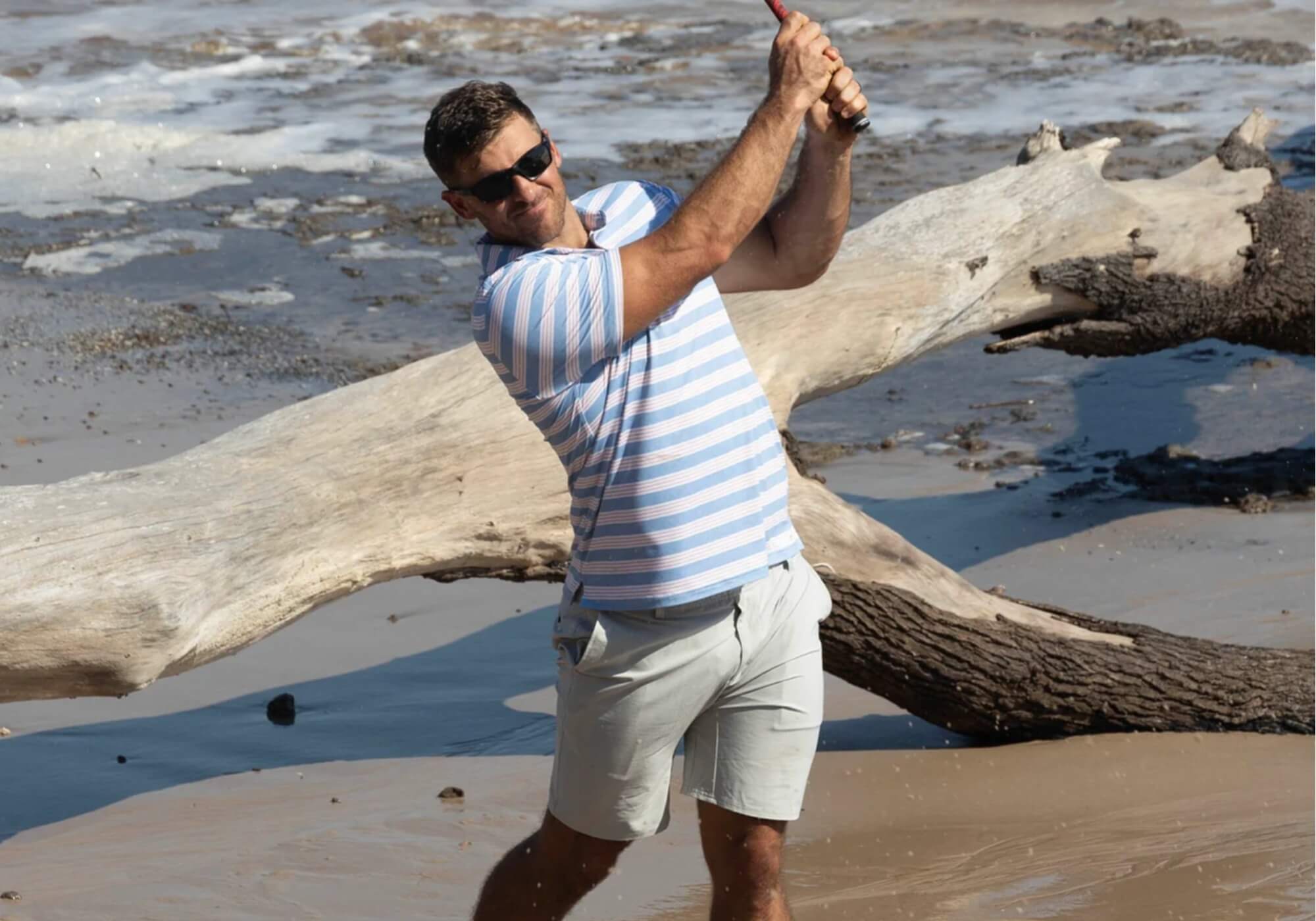
Their company is AndersonOrd. If you had to define it, AndersonOrd falls in neoclassical-traditional-yet-modern clothing category. It may not be for everyone (it certainly isn’t the cheapest), but the story of how Underwood and Ord found their way from freshman football at Torrey Pines High in San Diego to starting their own clothing brand may be the most interesting thing you read today.
AndersonOrd: Rooted in the web
Tom Underwood and Jonathan Ord (we’ll refer to them from here on out as Tom and Jonathan, since they wouldn’t want it any other way) met as freshmen at Torrey Pines High School in the late 80s, where they played football. Ord was the quarterback, Underwood the receiver and punt returner. They were good too. Underwood played at San Diego State while Ord went to Brigham Young, where he backed up Heisman Trophy winner Ty Detmer as a walk-on.
After college, the pair continued their career paths, but remained close.
Jonathan entered the software business and helped build DealerSocket, a leading automotive software platform. Tom worked in the golf industry for a firm that managed about two dozen golf courses and real estate developments.

“Tom really wanted to be an entrepreneur, and I was already one,” says Jonathan. “He contacted me one day about doing something in the fashion industry for golf. I knew what it would take, so I pushed him enough to make sure he really wanted to do it.”
“When we first talked about it, he told me how difficult it would be,” adds Tom. “But he didn’t tell me how really it would be difficult.”
“We knew it was going to be messy,” says Jonathan. “But we knew it was going to be fun and we were going to have to figure things out. We knew we were going to make mistakes, but we were in this together.”
Montana-to-Rice. Brady-to-Moss. Ord-to-Underwood?
Like any QB-WR combination, Underwood and Ord have very different but complementary skill sets. In this partnership, Jonathan is the finance guy while Tom and his wife Melanie handle operations and product creation.
The company actually started life as a brand called Pull The Pin. They first saw it as taking the pins out of the cup to watch the ball roll inside. However, in the end they found that most people equate pulling pins with hand grenades.
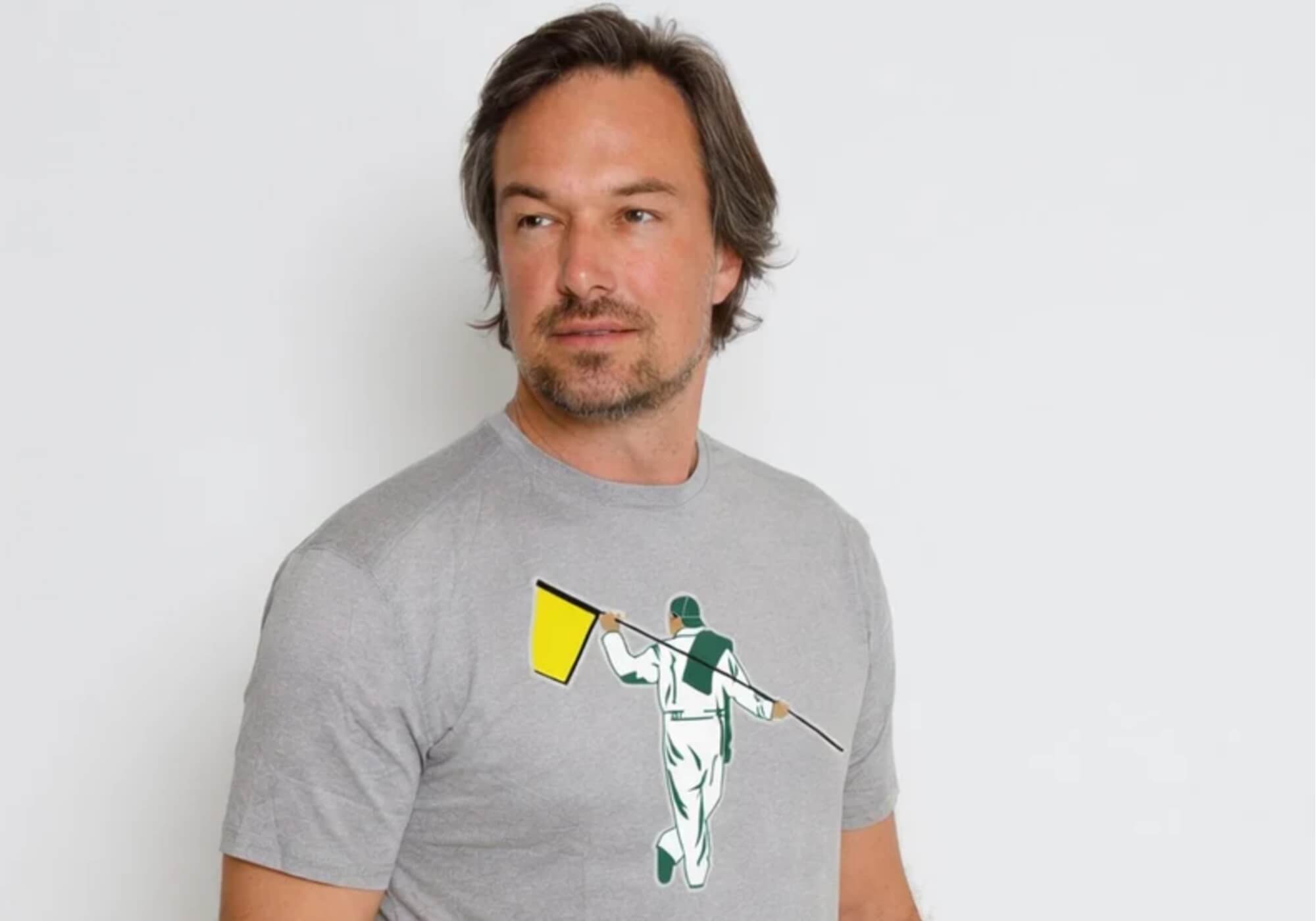
Furthermore, they saw their future as going beyond golf apparel.
“At the time, Jonathan had a great love for lululemon (he was an investor),” says Tom. “He introduced it to me and I’m like, ‘Man, this is boring.’ It’s all muted colors that don’t make sense for this bright industry.”
While lululemon popularized the athleisure category, Tom saw a gap in golf apparel. Specifically, he was looking to combine technical performance with versatile design that wouldn’t look ridiculous off course. While this is common today, a decade ago it really wasn’t.
With that, AndersonOrd Lifeleisure™ was born. It may be a part of the marketing slogan, but in the minds of the founders, it is three parts a design, style and philosophy of purpose.

“We do everything in this matter,” says Jonathan. “I work out in it and play golf in it both in the heat and the cold. It’s the most comfortable thing you’ll ever wear.”
“Fabric first”
There is a lot of slang and slang in golf apparel. Everyone tells you their stuff works “on and off the course” and their fabric is “special.” AndersonOrd follow the crowd in this direction. The company likes to say it’s the “first fabric” with its proprietary “double soft” fabric.
In this case, the term property it requires a context.
There is a big difference between “owned by” and “invented by”. AndersonOrd did not invent any new yarns or weaves, but worked with its suppliers to develop an exclusive blend of fabrics. The specific fiber composition, weave structure, washing method and finishing process are unique and exclusive to AndersonOrd.
“We went to different insurance groups with some fluff,” says Tom. “We told them we want polos and T-shirts that feel like this but are light and breathable. They said, ‘That doesn’t make sense.’
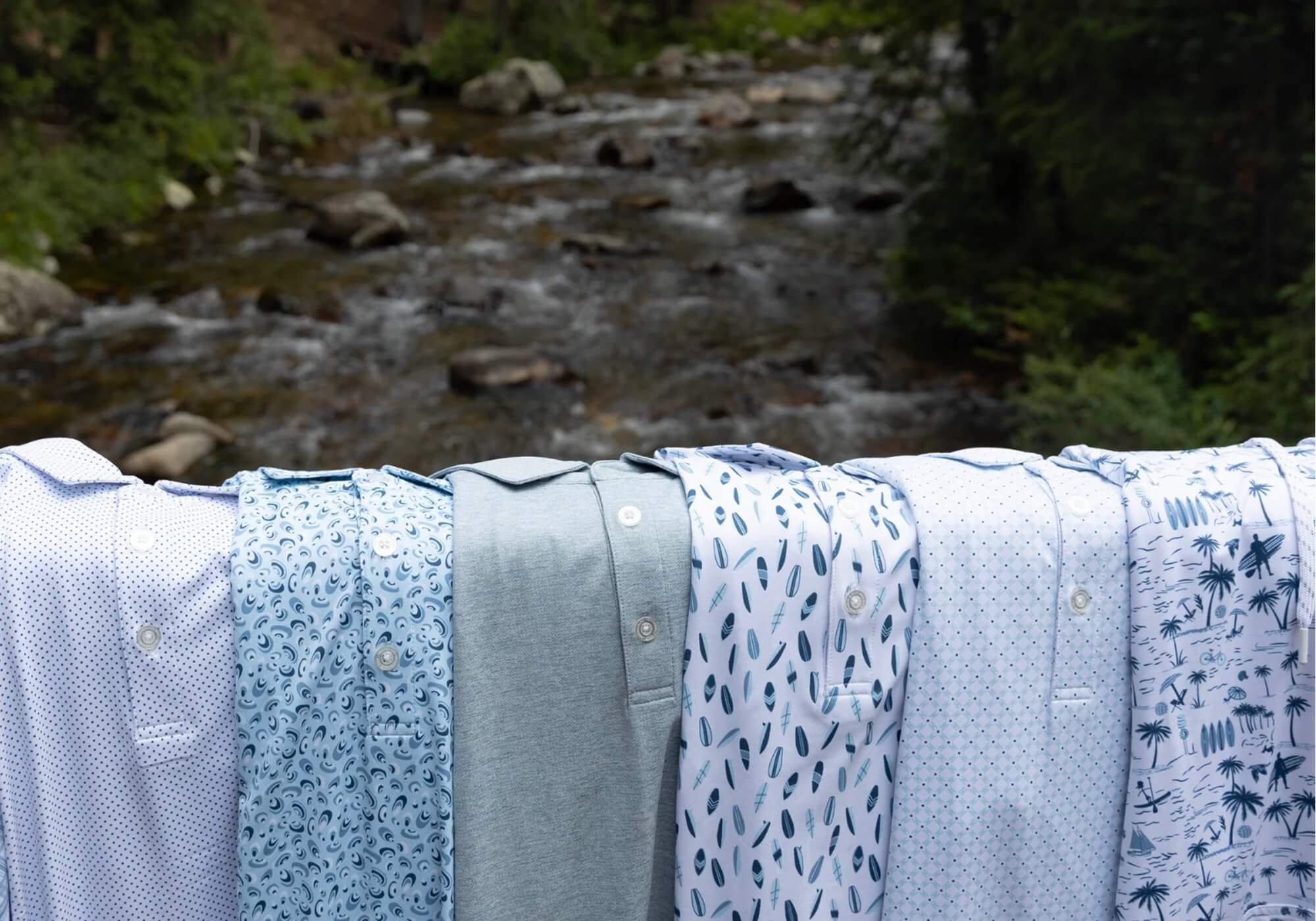
They eventually found the right material, but were flagged for several false starts.
“The first year, it was so soft it peeled off,” explains Tom. “The second year, we had problems with the collar. The third year, we found the secret sauce to make it perfect.”
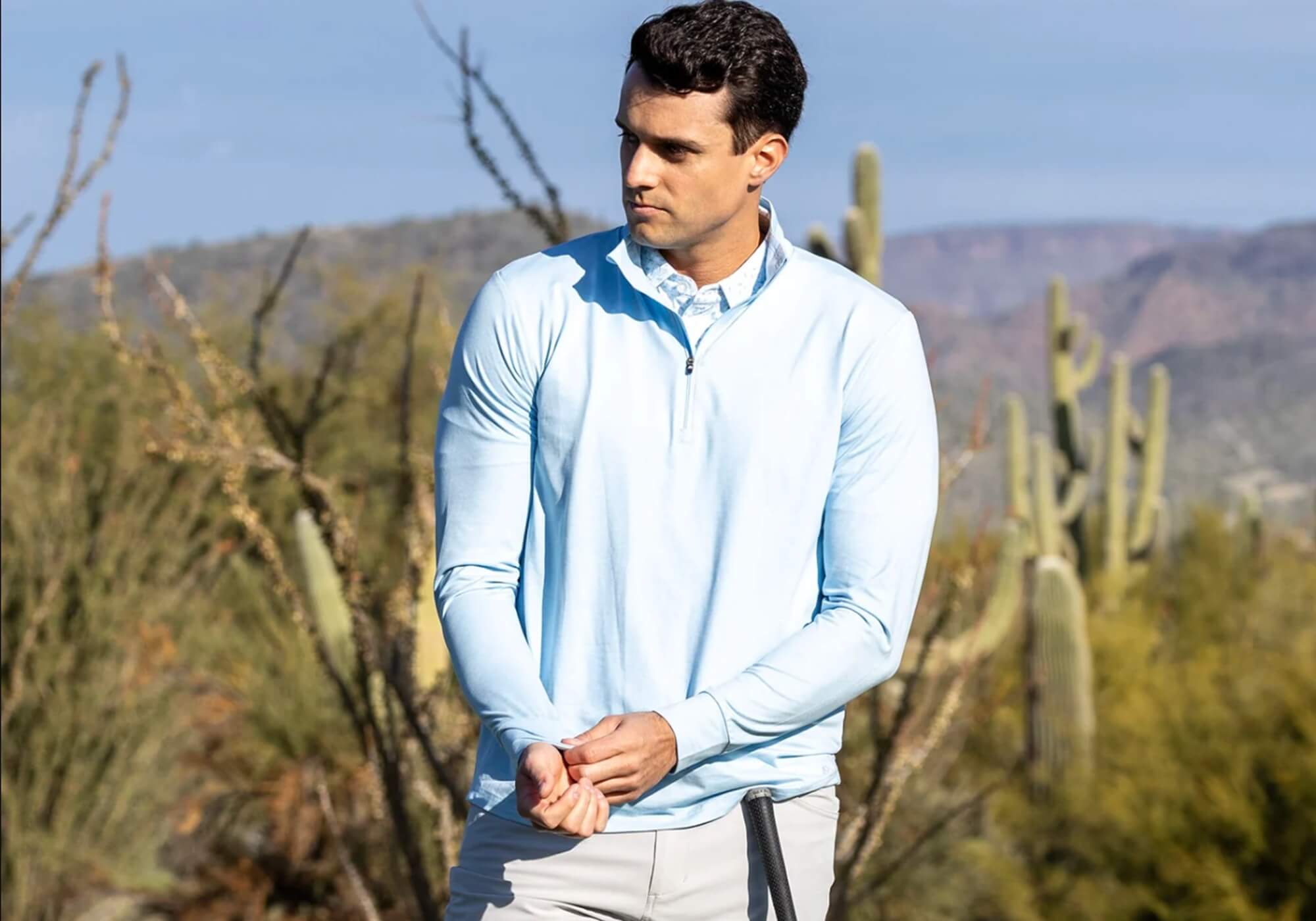
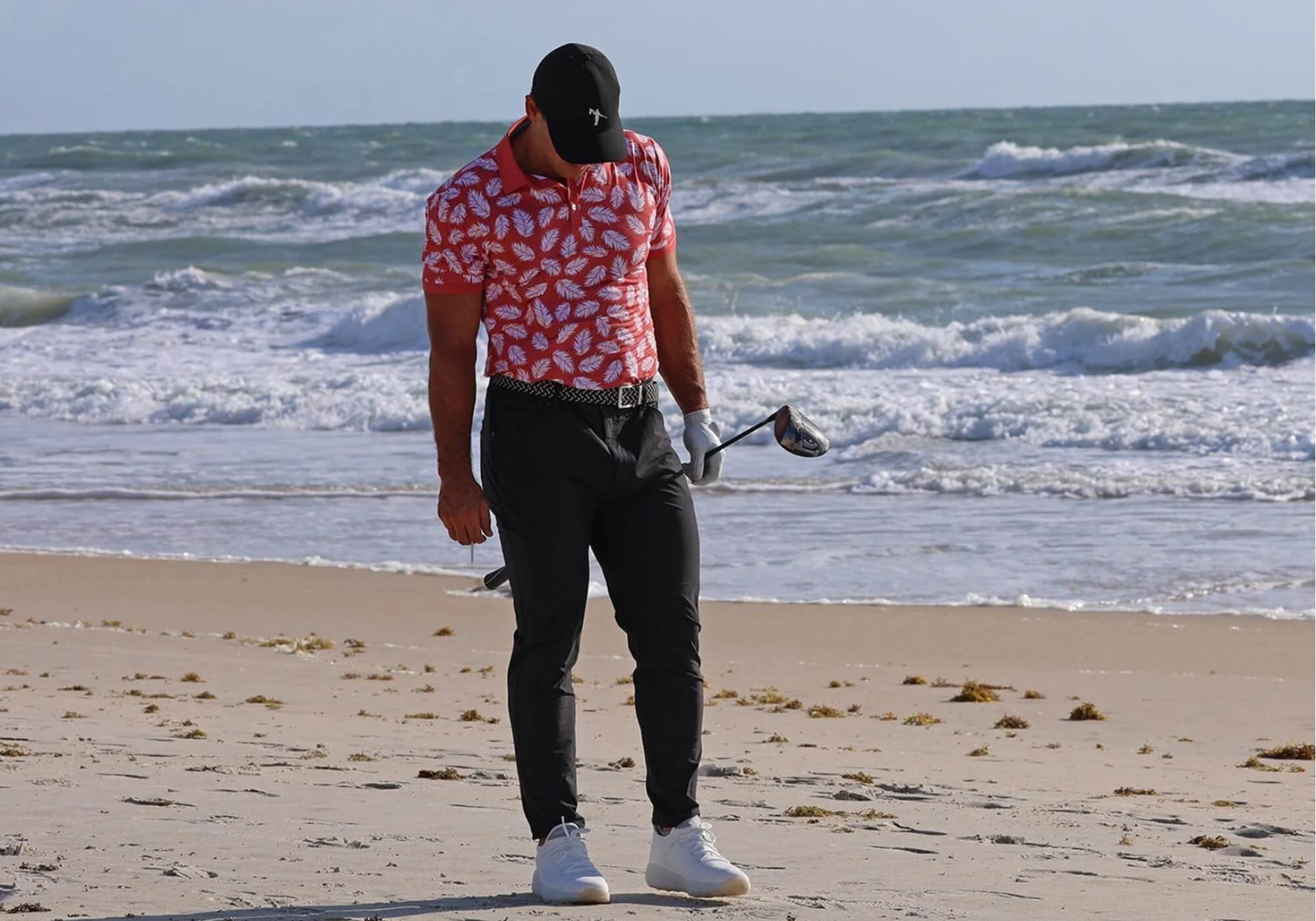
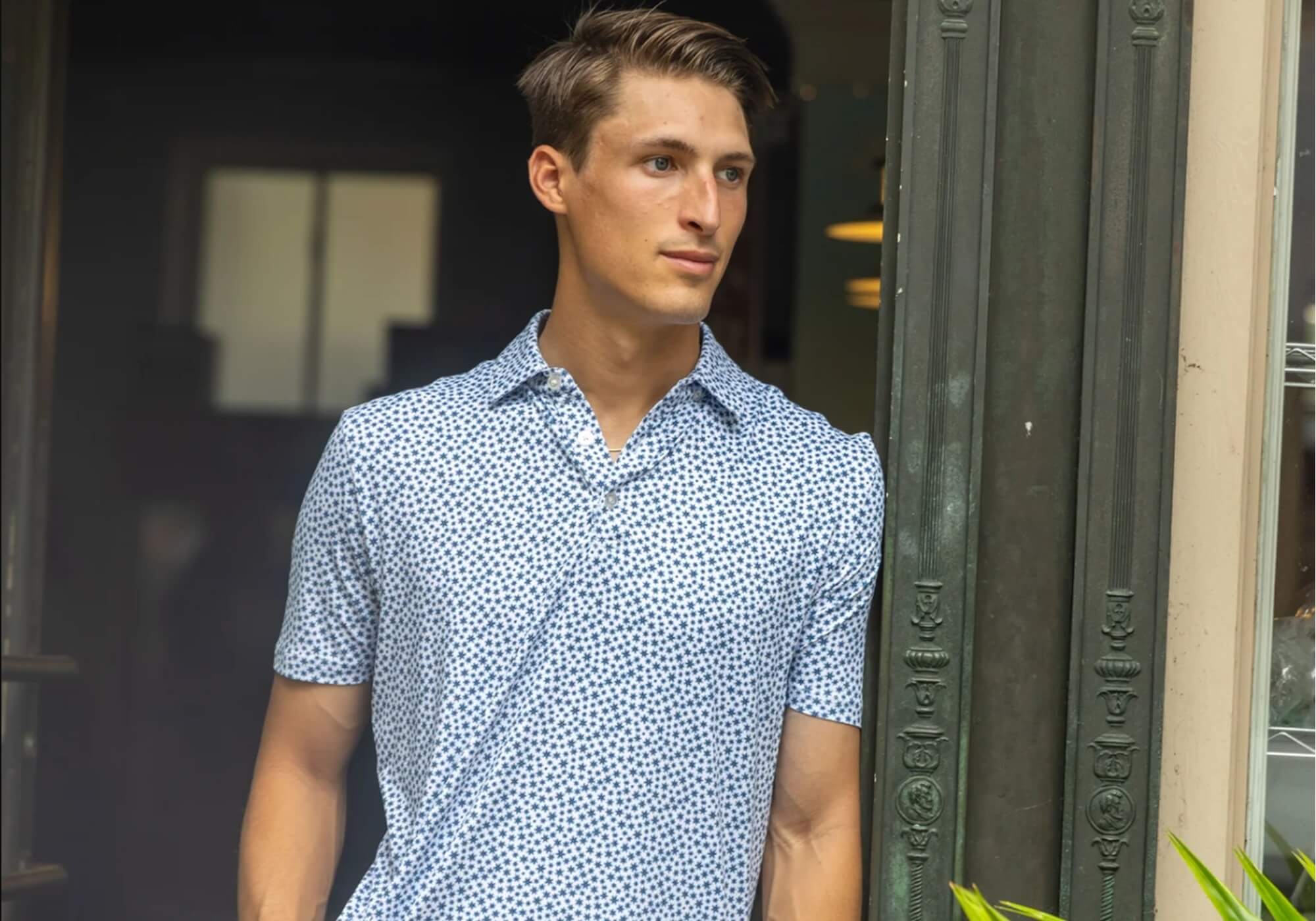
If you’re looking for some essential men’s pieces from AndersonOrd catalog, you will look at Blacks Beach hoodie ($115), Butter Long Sleeve T-Shirt ($69.95) or Polo gamer ($95). When you touch them, you will feel what they mean by “double soft”.
“You come back to the clothing line for more than just the color,” says Jonathan. “It’s in shape and features. That’s what actually feels good in your body.”
Eight years, eight figures
Although eight years old and with over 2,000 pro shops nationwide, AndersonOrd still qualifies as a small company.
“We have 50 employees now,” says Tom. “But if you had told me eight years ago that we would be an eight-figure company (in sales), with the challenges and learning curves we went through, I would have said you’re crazy.”
“One of the reasons we’ve grown is that Tom creates great relationships with people,” adds Jonathan. “He finds the best club pros who understand how to sell the product, and he finds the best marketers who can sell things online.”

Furthermore, both men say the company has zero debt and thus zero interference from outside investors.
“We don’t have a board of directors that makes decisions based on profit margins or business scale,” says Jonathan. “I’m in a position where I can fund the business. We don’t have to scale like other clothing companies have to, and we don’t have cash constraints. That gives us a little bit of freedom.”
It was at this point in our conversation that I had to ask why the company’s name AndersonOrd and not UnderwoodOrd.
“We had Pull The Pin, but we wanted a two-letter acronym that stuck,” says Jonathan. “About this time, my father-in-law died. He was a big fan of Tom’s and loved talking and playing golf with Tom.”
So, at Tom’s insistence, Jonathan’s late father-in-law became Anderson in AndersonOrd.
“That tells you a lot about Tom,” says Jonathan. “That’s how he runs the business, too. Some days he’s printing things on a screen, other days he’s out at trade shows walking the floor. He’s not a guy who sits in a CEO mansion giving orders.”
Premium is like premium
If you read AndersonOrd websiteyou will find that their products are not cheap. (Be sure to check the Sales tab, though. There may be a deal). Price caps appeal, but price is just a number. A $60 t-shirt and a $115 polo aren’t for everyone, but they aren’t for anyone either. Value, whether you’re selling grapes or premium golf apparel, lives at the intersection of what you pay and what you get. whether you like her and you you think it’s worth the money, that’s all that really matters.
“We want to be in the market that allows us to be the best we can be,” says Tom. “To do that, we have a price point that’s not outside the threshold of 80 percent of people who play golf. We’re in the same neighborhood as Johnnie-O or Peter Millar.”

Clothing is like anything else. There are great value brands – the Ben Hogan line is a great example – that offer good stuff at a much lower price. However, for a product to be considered premium, it actually has to be to be premium. It should feel good, be well designed and well made. Clothing is one of the areas where the differences stand out. However, if you care enough to pay the freight, it’s a completely different story.
“We don’t need to be a high-volume brand to do what we need to do,” says Jonathan. “Our goal isn’t to see how big we can get. It’s to see how good a product we can offer. Our competitors may be looking to build scale, make things cheaper, and drive EBITDA lines on their financial statements. That’s just not us.”
What’s next for AndersonOrd?
In the big picture, there are a lot of golf apparel companies out there and AndersonOrd is, if you’ll pardon the expression, one of them. Everyone is looking for a unique place to call their own. AndersonOrd identified what it considered a gap in the landscape and filled it with LifeLeisure™.
On the net, it’s called running in daylight.
“We keep our staple pieces,” says Tom. “Our seasonal pops vary a bit, but still have that AO flair.”
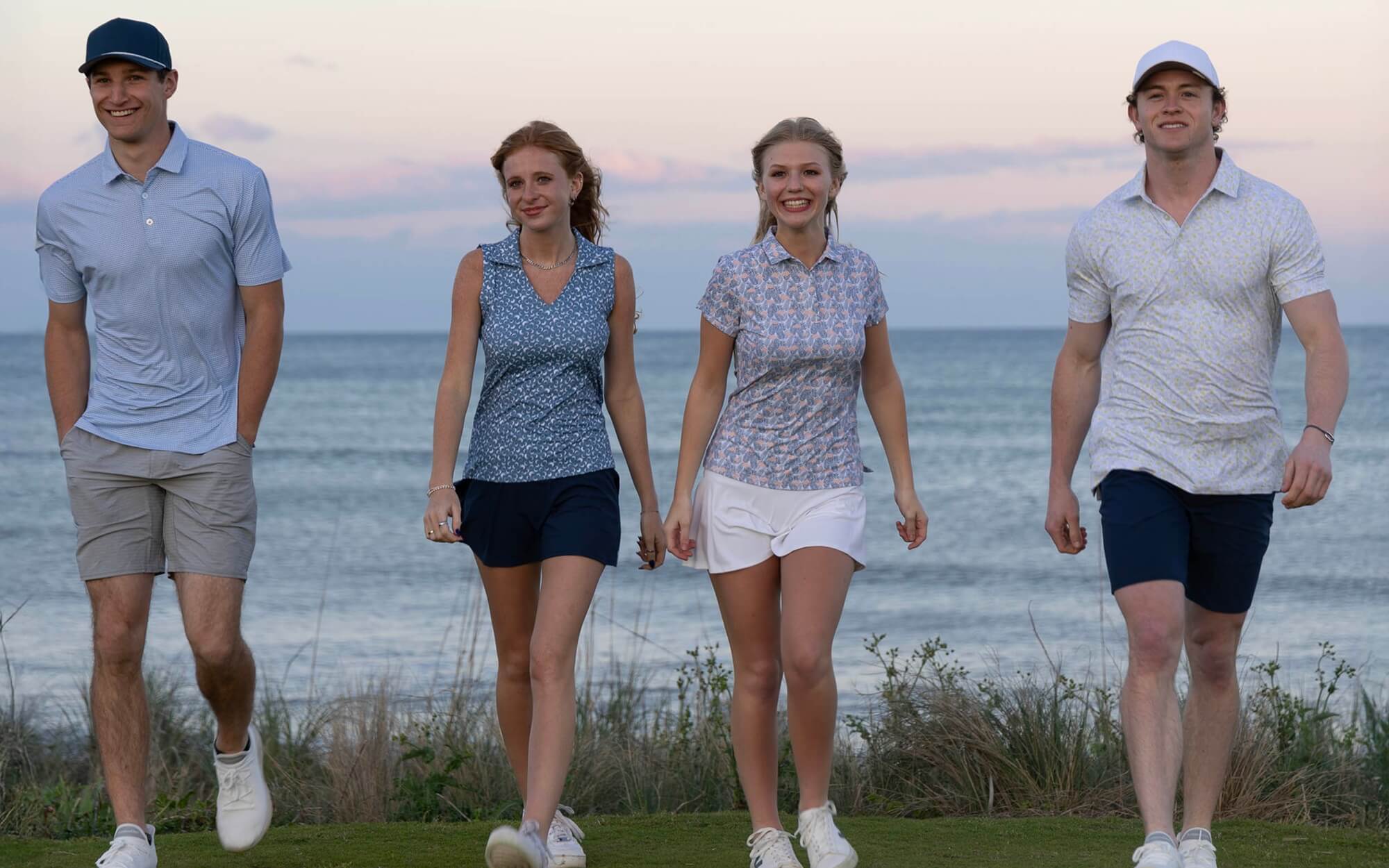
“It’s been really interesting to design things for golf like front pockets with a little more depth or a back pocket that can more easily hold a score card,” says Jonathan. “We’re trying to think of different features and functions.”
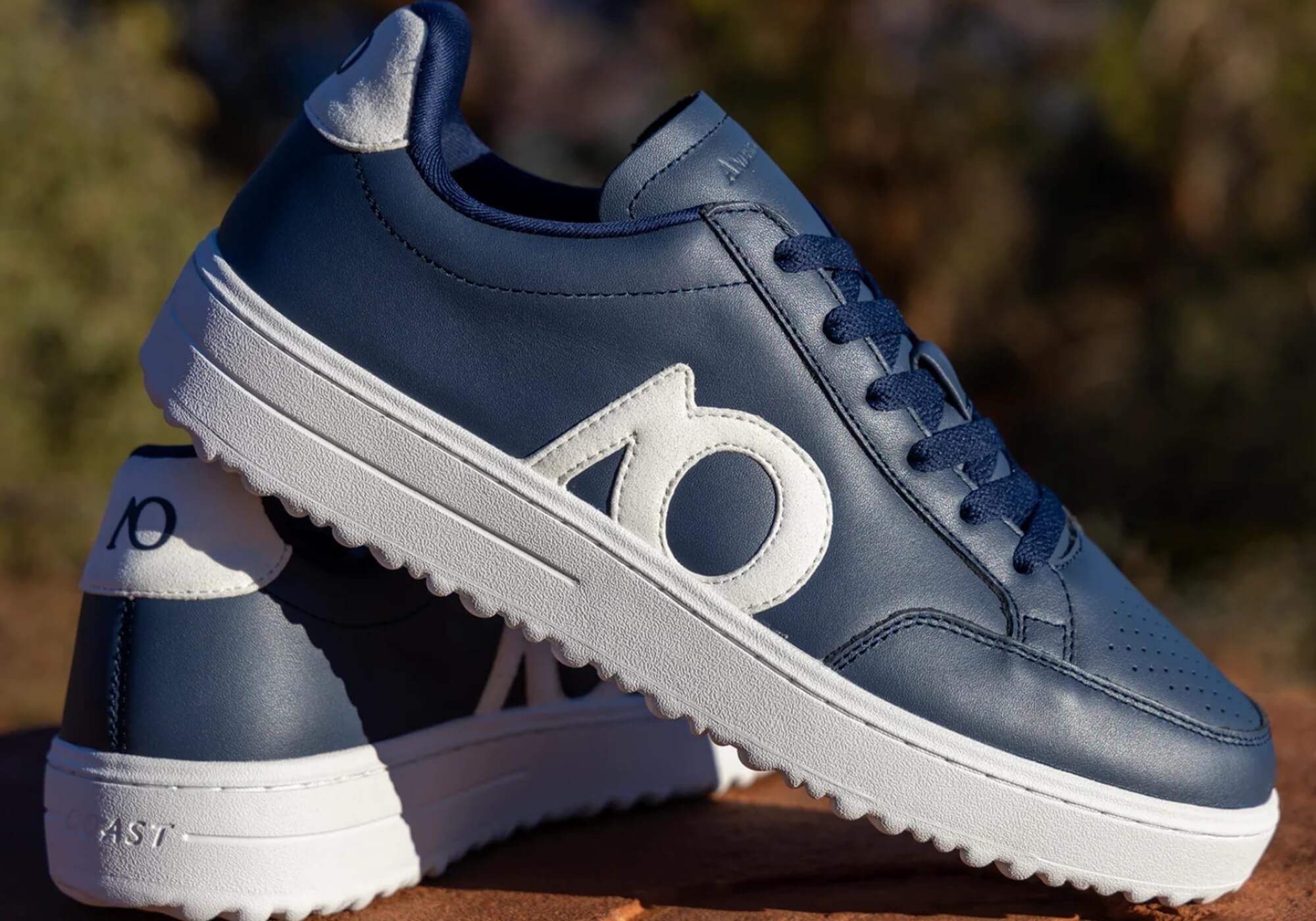
AndersonOrd It will soon add golf bags to its offering and has just launched two new golf shoes. AO Wave1 without spikes and AO Coast1 have West Coast vibes. I have tried the Coast model and although they are very stylish and comfortable, I am not sure how they will perform as golf shoes. At $250, they’re likely to be more of a lifestyle choice than a golf performance choice.
“Going forward, I don’t know if it’s going to be any easier than it has been,” says Tom. “I know we have a much clearer picture of what we’re doing and how we’re going to do it.”
“It’s a long-term focus for us,” adds Jonathan. “We’re not developing this to sell it or try to squeeze a bunch of money out of the business. We’re creating a differentiated product that’s going to be around for a long, long time.
“And we’re going to have a lot of fun doing it.”

