


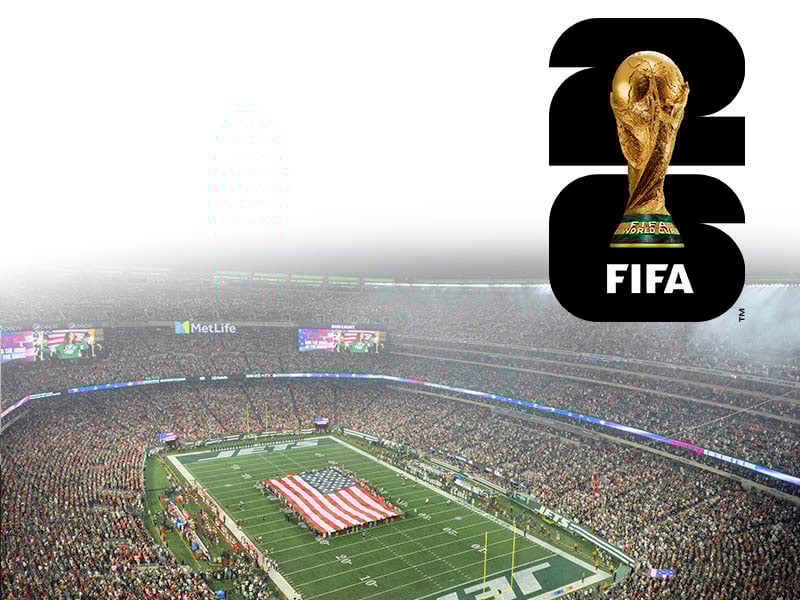
The 2026 FIFA World Cup introduces a betting environment unlike any previous tournament. With 48 teams, matches spread across North America and an expanded group stage, the structure alone forces a rethink of traditional World Cup betting strategies.
More teams means more matches, and more matches usually lead to softer prices earlier. Books manage massive daily boards, especially in the first two weeks. This is where secondary markets such as totals, team fixtures and qualifying bets often offer better value than outright moneylines.
The group stage is where discipline pays off. With twelve groups of four and multiple third-placed teams advancing, not all games have the same urgency. A favorite who accumulates four points quickly may prioritize rest and risk management over attacking football. When the public expects a statement victory, the reality is often a controlled performance and a narrower score.
Matchups matter more than reputation. A defensively organized team facing a heavyweight late in the group stage can be a dangerous opponent, especially if the favorite already has an eye on the knockout round. These are the kinds of places where spreads and unders quietly beat expectations, especially when the markets are awash with public money chasing star names. This is why many experienced players focus their FIFA World Cup Betting strategy over motivation and state of play rather than raw talent.
Total betting deserves special attention in 2026. High-profile matches attract money almost automatically, but international tournaments consistently produce slower starts. Big-name clashes often open cautiously, with both teams focusing on structure and discipline. Late and late first half goals markets often fetch better prices than full match overs.
Conditions play a bigger role than many think. Altitude in Mexico affects pressure and recovery. The heat and humidity in the southern venues slows the pace and shortens the effective minutes. Cooler northern locations tend to produce more physical and lower-scoring matches. These factors affect substitutions, late goals and the general flow of matches, but rarely have a full price on the early odds.
The knockout rounds change the betting landscape again. With 32 teams advancing, the first knockout stage features more mismatches than previous tournaments. Moneyline prices for favorites often become uncomfortable, pushing value toward spreads, team totals, and advance markets.
Extra time and penalties are always a threat, and backing a team to advance rather than win in ninety minutes often reduces unnecessary risk. These markets reward patience and understanding of tournament math rather than pure score hunting.
Player markets also benefit from a sharper focus. Golden Boot bets are heavily influenced by penalty duties, group competitiveness and expected minutes. A player who is expected to play full games under pressure may be more valuable than a star who will likely see rotation once the rating is secure.
Live betting stands out as one of the strongest angles throughout the tournament. Tactical changes happen quickly after a goal is scored. Teams protecting the standings slow down games immediately, while the points they chase open up and take risks. Watching these transitions closely often reveals opportunities before the odds are fully adjusted.
The 2026 World Cup rewards preparation and restraint. It’s a long tournament full of emotional swings and non-stop action. Those who focus on motivation, matchup dynamics, and price rather than hype are much more likely to find consistent value throughout the competition.

