


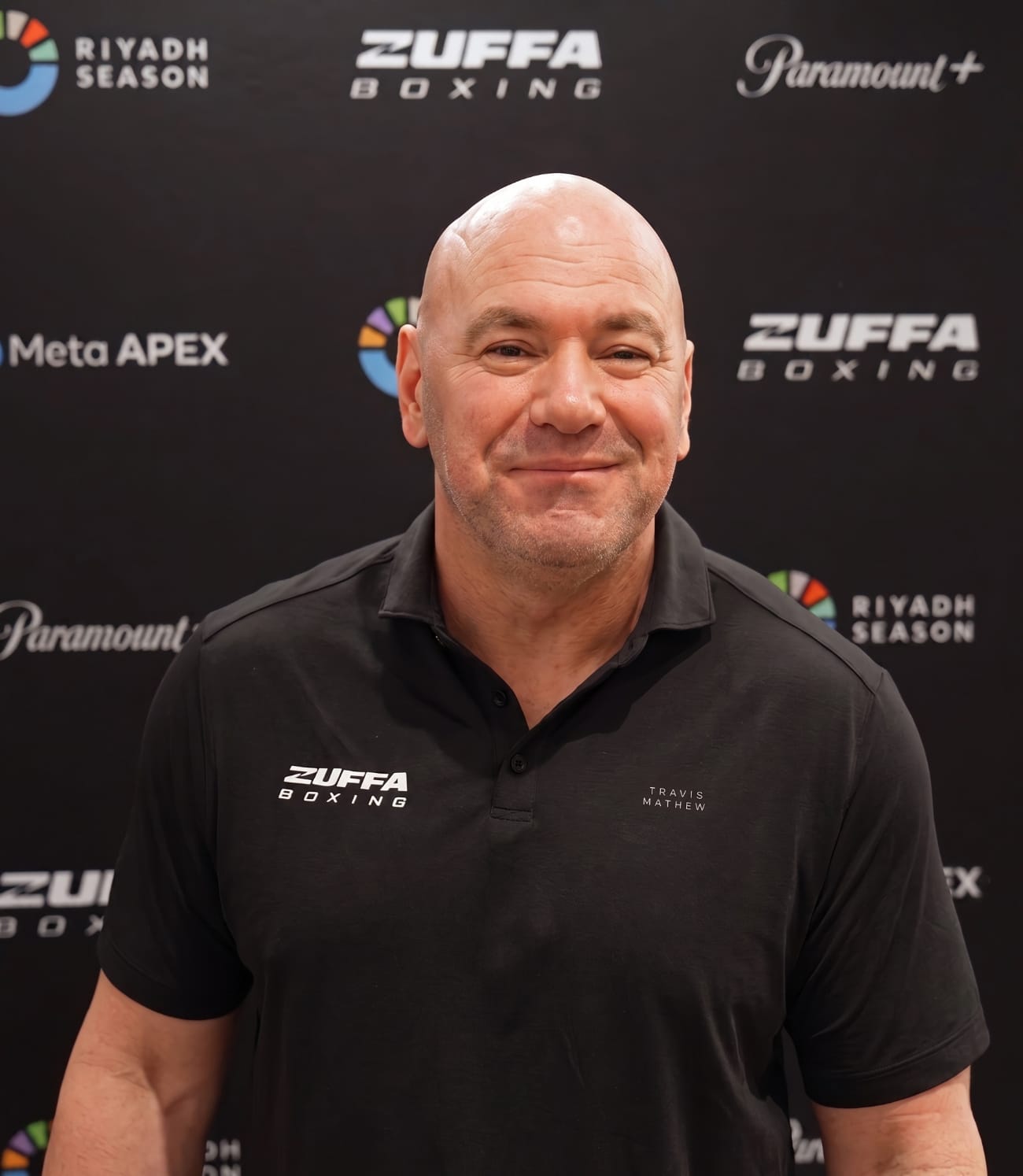


None of that caution showed in White’s tone. He spoke of Benn as a great asset and a fighter he believes belongs in big fights.
“The brother’s big time. I didn’t think he should have lost the fight he lost,” White said, giving a clear endorsement of Benn’s stature.
White is talking about star power, not artistic wizardry. Calling him “huge”, White tells the industry that Benn brings the “it” factor, with his ability to sell out stadiums (like Tottenham) and generate massive social media engagement.
Dana uses that phrase to justify the massive spending. He signals to sponsors and broadcasters that Benn is a blue-chip asset, not just a one-off experiment.
In Dana-speak, “big” means that Benn is quickly spurred on to the mega-fights.” Instead of grinding through the welterweight rankings against dangerous contenders.
“That’s why I’m in the business now, to make the fights that people want to see,” White said.
When White says he makes the fights “people want to see,” he’s using the UFC playbook: ignore the technical criticism and focus on the brand.
Since it co-featured Tyson Fury Vs. Arslanbek Makhmudov was on Netflix, White looks at the raw viewership numbers, not the Reddit threads or the Twitter (X) backlash.
Acting like this was a huge success, he tries to “will” Benn to become a superstar. If he admits the fight was a dud, he admits his $15 million investment was a mistake.
The real test of his “fights people want to see” claim will be what he does next. If he actually discusses Benn vs Ryan Garcia, he can claim to be giving the fans what they want. If he books another safe veteran, the “broke boxing” comment is going to start sounding very hypocritical.


