


Chapter one
There is a tournament east
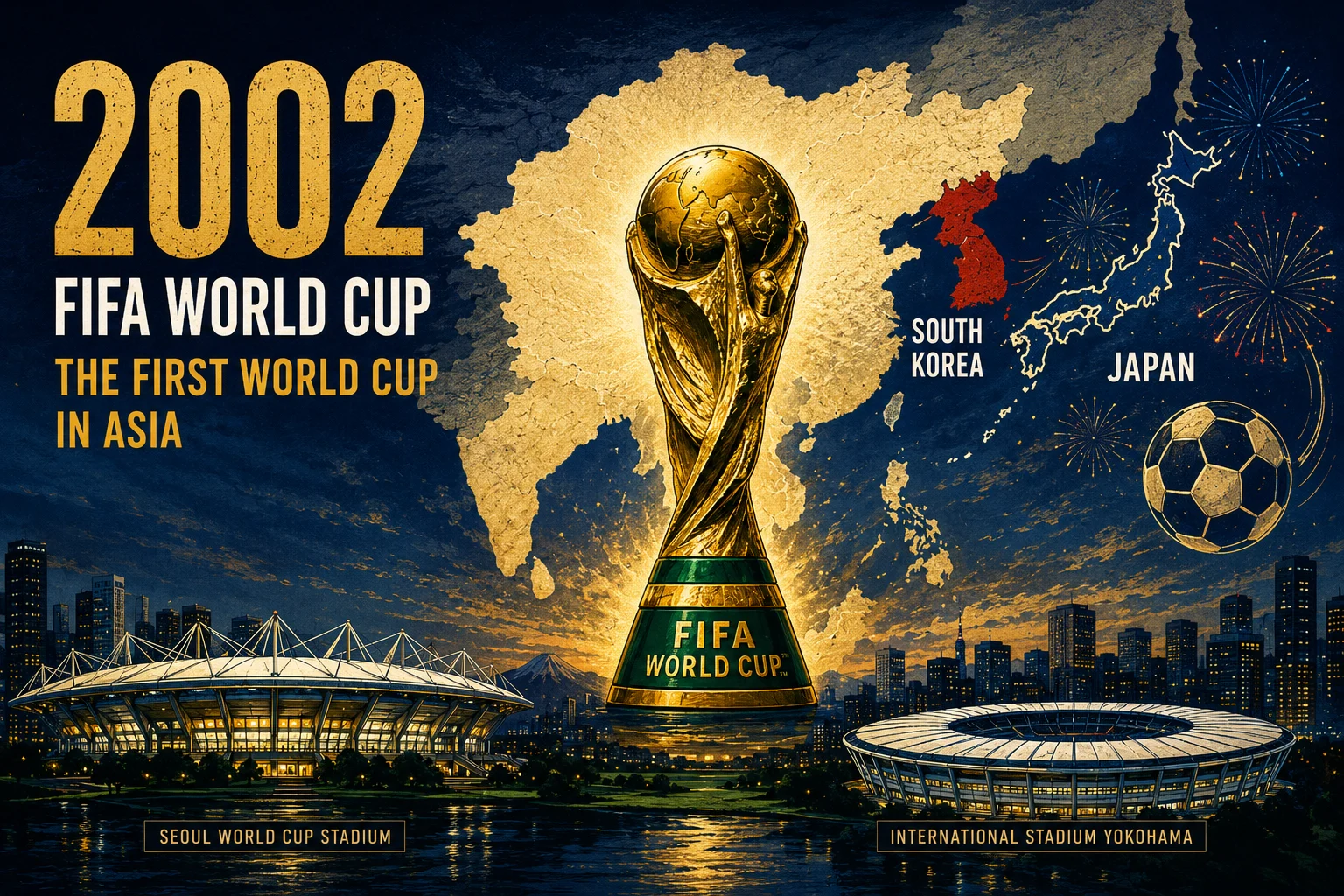
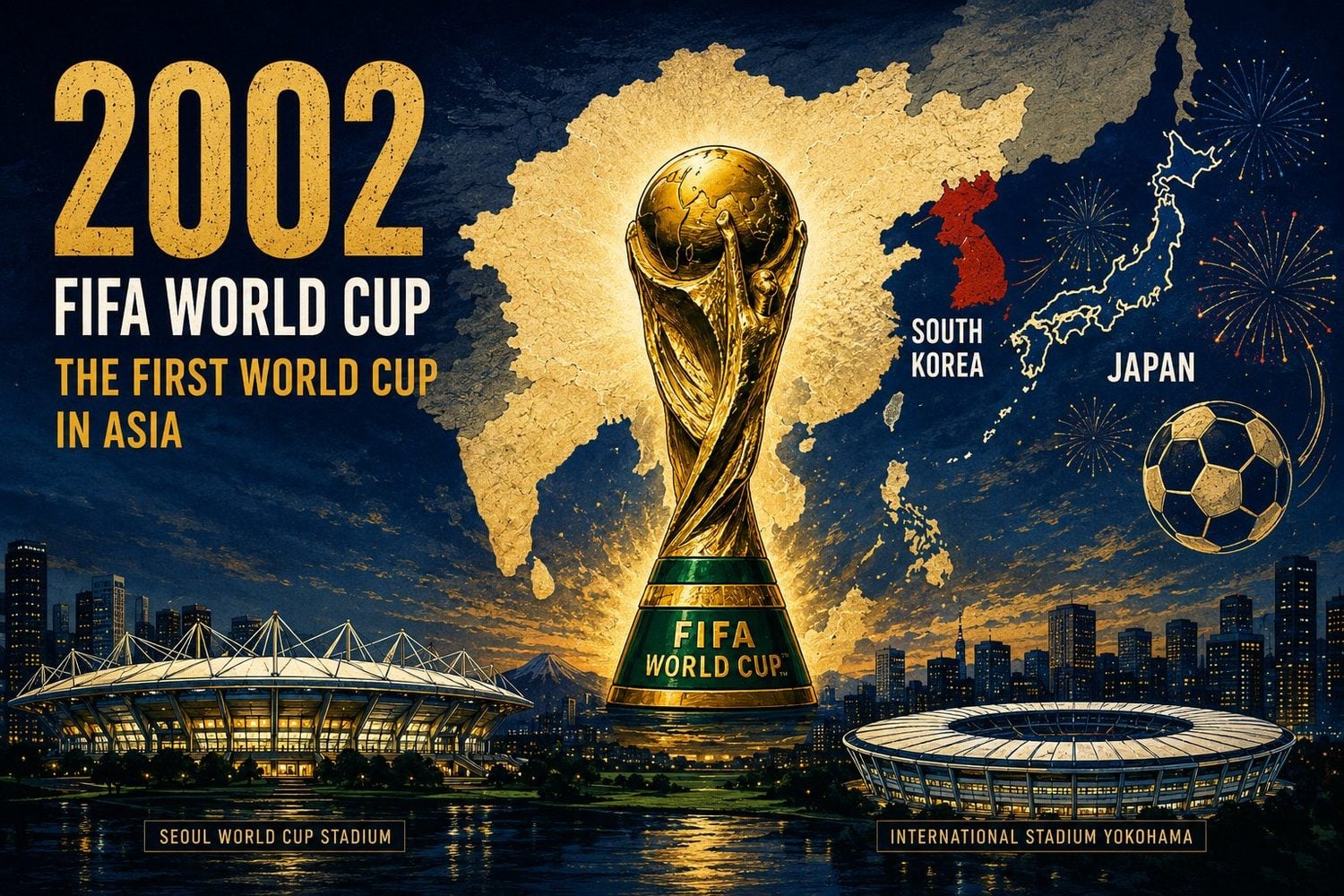
Awarding the World Cup to two countries was, on paper, a piece of cake. South Korea and Japan had bid to host alone, and the rivalry between them ran much deeper than football. Instead of crowning one and humiliating the other, FIFA in 1996 did the pragmatic thing and handed them both over. Each nation built ten shiny new stadiums; the matches were split down the middle, and the final was sent to Japan, at the International Stadium in Yokohama.
There were skeptics. The kick-off times were brutal for European television, the tournament fell during the monsoon season and there were doubts about whether Asian crowds would fill the grounds. Those doubts evaporated in a few days. Four nations – China, Ecuador, Senegal and Slovenia – arrived as debutants. Interestingly, Tokyo, the Japanese capital, did not host a single match. It was a 32-team World Cup, the format that ran from 1998 to 2022 before the expanded format of 48 teams he arrived; everything felt slightly off-axis, and that was before a ball had been kicked in anger.

