World Para Athletics Championships – an overview
Paraathletics looks very complicated to the uninitiated who struggle to tell your T20 from your F63. T=Track and F is field. The numbers reflect a complex classification system designed to ensure that each athlete has a fair chance with amputees competing against athletes with similar disabilities and so on.
The goal is to give everyone a chance to compete. If you don’t see it, run with the guide. If you can’t walk, the race is a wheelchair, etc. It’s a bit complicated though. It’s easy to remember that Melissa Jefferson-Wooden is the 100m world champion in athletics, but what about the IPC 100m champion? actually there are 10 of them in different classifications.
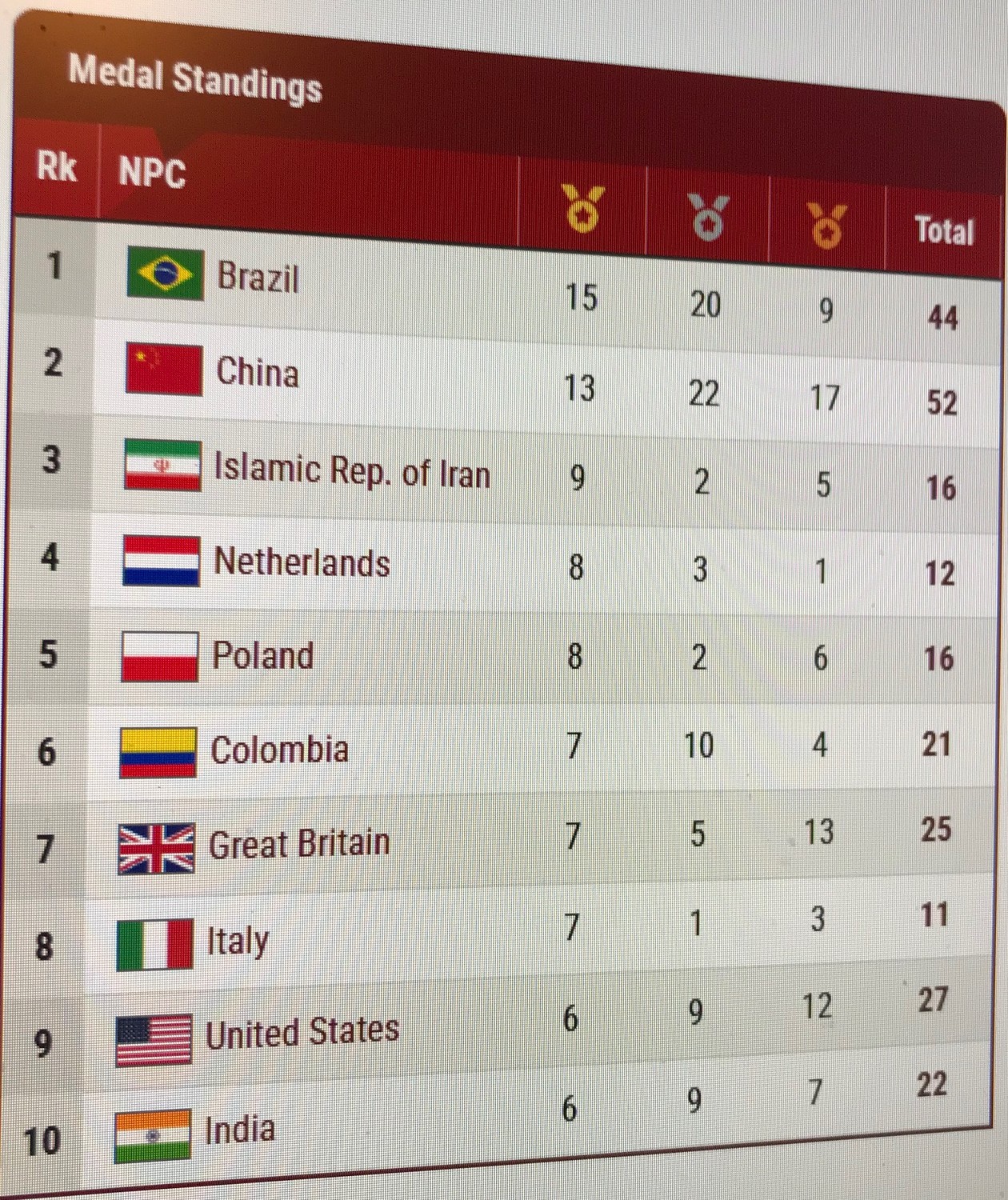
Earlier this month, 504 medals were awarded in Delhi, with 63 different countries winning at least one medal. 149 medals were awarded in Tokyo last month.
It’s hard to write about parasports without sounding patronizing. The first thing to note is that para-athletes are athletes. They are in many cases professional athletes who train every day. The two events that always surprise me the most are the high jump members, where the athlete takes off the prosthesis, jumps to the pole and clears it, or the blind long jump, where the athlete is positioned on the track and the coach calls out to indicate where the sand pit is. Literally a leap in the dark.
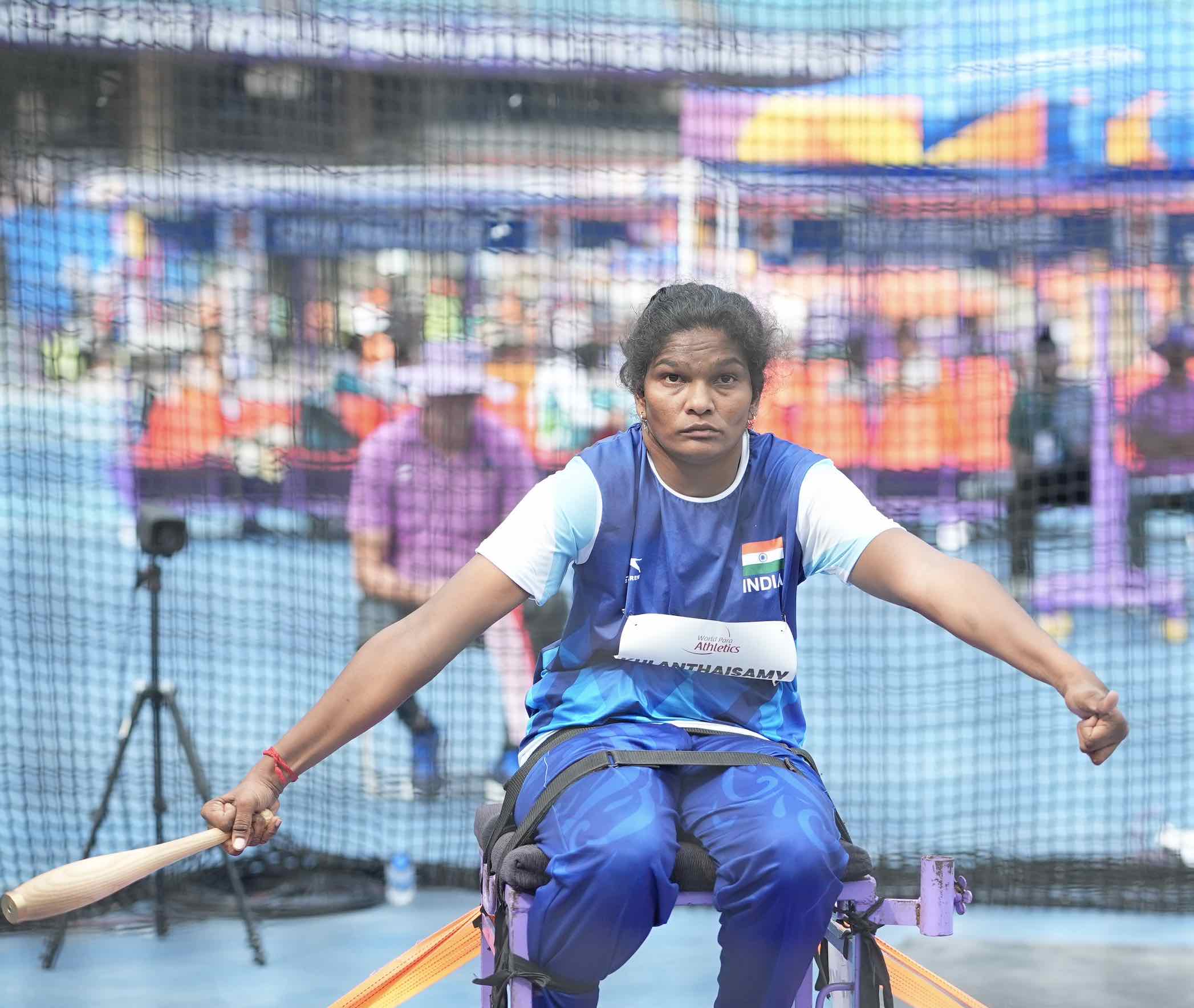
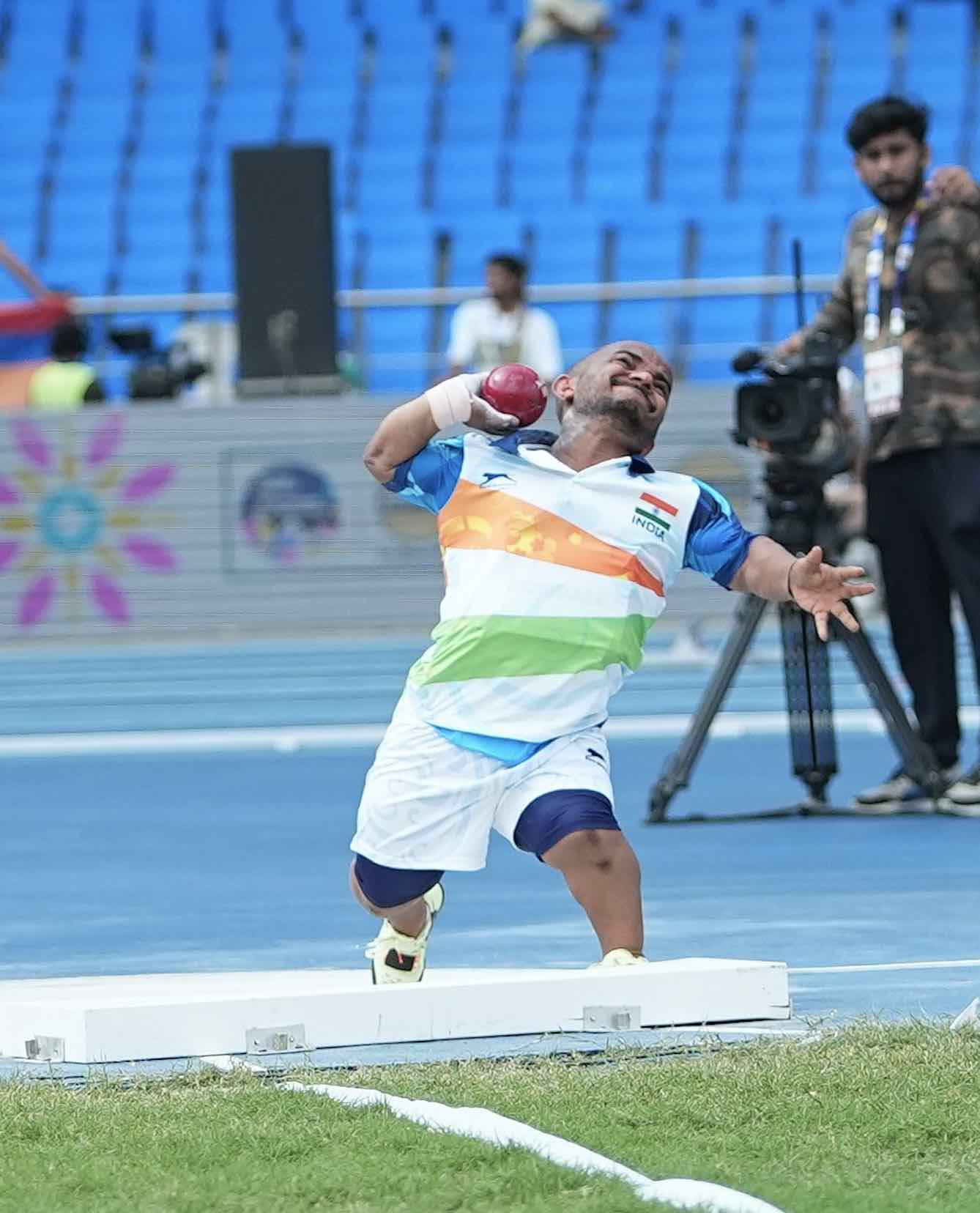
Here are some images from the 2025 IPC Worlds.