


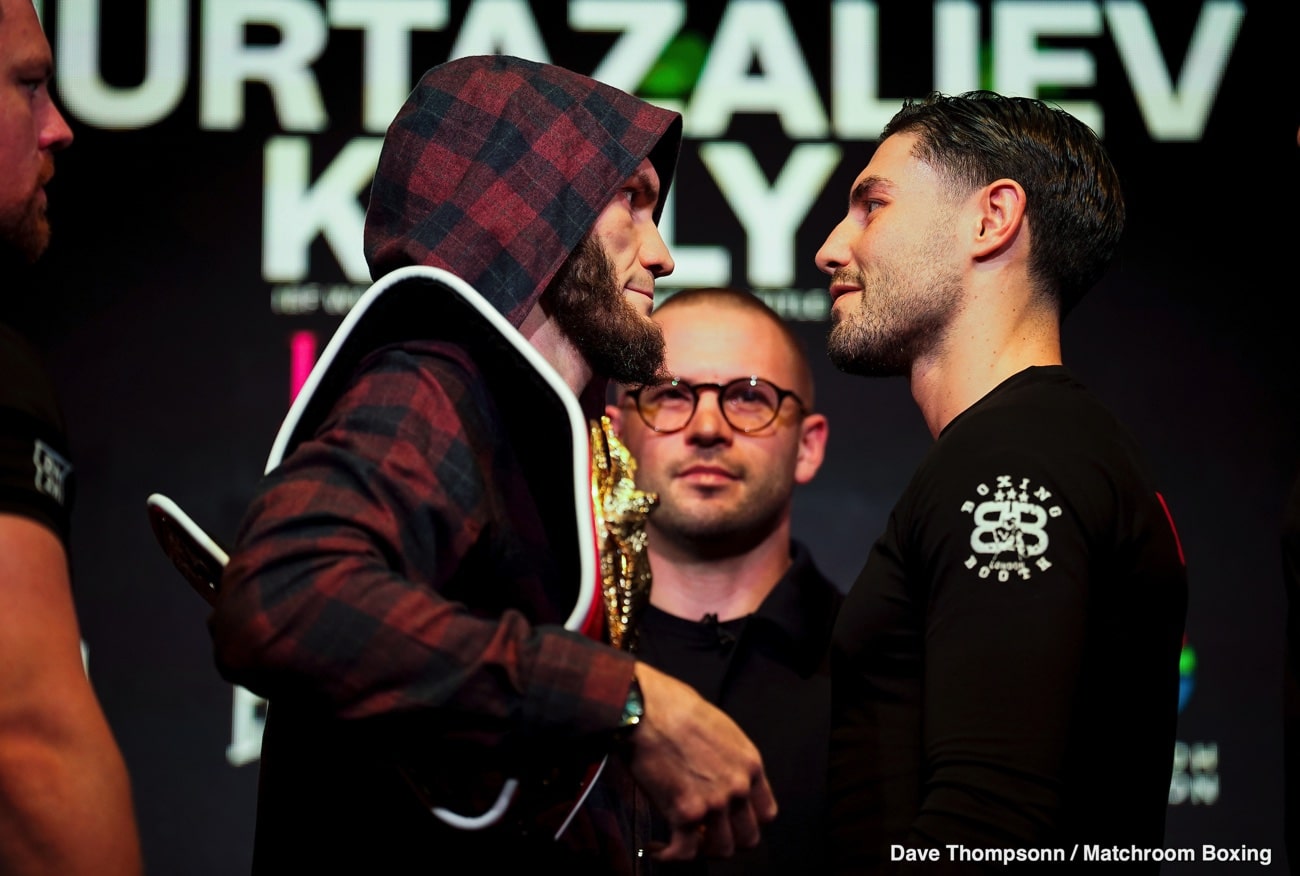


At 154, Murtazaliev has already learned the limits of his belt. Beating Tim Tszyu did not unlock leverage. Holding the IBF title did not command interest from the fighters who mattered most financially. Jaron Ennis and Vergil Ortiz have been talked about as the division’s standard bearers, but neither has shown interest in fighting the reigning belt holder. The reason is simple. The belt does not translate to money.
That reality explains why Murtazaliev is pushing weight changes at all now.
Moving up to middleweight would be the safest option physically, but it would also be pointless. The division is thin, quiet and commercially dormant.
There is no obvious payday waiting there. No pressure, and no urgency. No reason for a major event to be built around him. Sure, he could probably grab another tire there, but who’s looking? There’s no buzz, no pressure, and certainly no massive check waiting for 160 pounds.
Moving down to welterweight changes the equation completely, because that’s where the sport’s money and attention is concentrated. The biggest names work there, and fights are paid based on how much interest they generate rather than how neatly they fit into competitive logic.
Even the slim possibility of breaking into that circuit carries more value than staying at junior middleweight with a title no one is actively chasing.
The risk, of course, is that nothing changes. He can make the cut, weaken himself, and still find the doors closed, just as they are now at 154. But that risk only exists because its current position offers no upside at all.
When a reigning champion starts weighing exits instead of opponents, it’s not ambition talking. This is isolation. And that says far more about how boxing works in 2026 than it does about Bakhram Murtazaliev’s career choices.

