


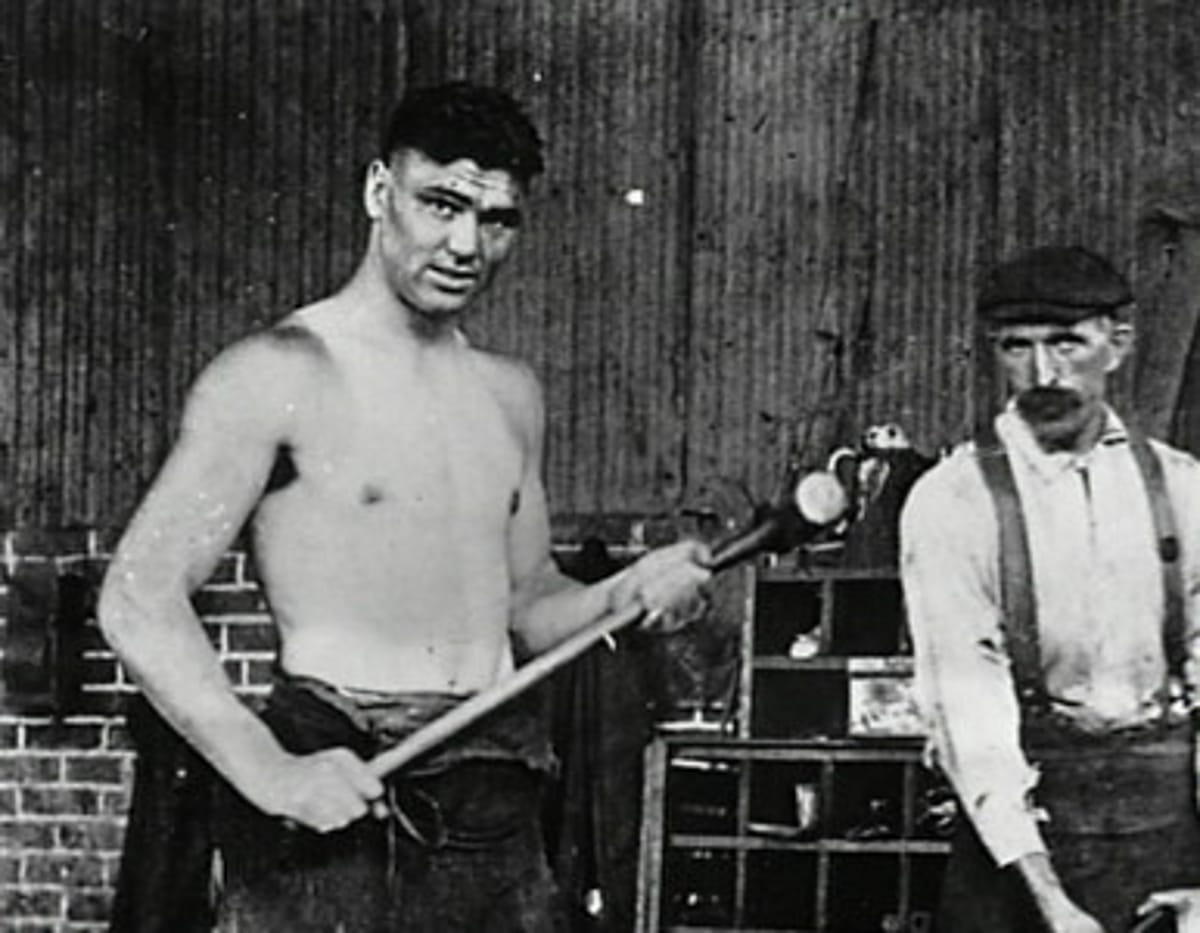
Jack Dempsey is remembered as a fighter who left early, but that memory misleads more than it explains. He stepped away from serious competition in 1928, at 32, an age that sounds incredibly young at first glance. By then, Dempsey had already lived years away from the ring, his fame and income increasingly shaped by appearances, business ventures and a public life that no longer required training camps or sustained punishment.
By the time he lost to Gene Tunney for the second time, the damage was not limited to the scorecards. Dempsey’s long absence before the first Tunney fight brought about something vital. His style was built on forward violence, but it depended just as much on legs, timing and the ability to arrive before an opponent could think. When he returned, the power remained, but the timing did not. He could still hurt men, but he couldn’t impose himself for long stretches, and once momentum slipped away, it didn’t return easily.
The second Tunney fight removed any remaining doubts rather than creating them. Dempsey had his moment in Chicago, a brief window where power threatened to overwhelm order, but it closed as quickly as it opened. When the fight ended, nothing about the outcome suggested a path back to control of the division. Tunney didn’t just hit him twice. He removed the illusion that Dempsey could still dictate terms.
The economy finished what the ring had already started. As champion, Dempsey was at the center of the sport, pulling enormous gates without justifying risk. After the title was lost, the fights that remained promised danger without reward. Contenders like Harry Wills offered punishment, controversy and little financial gain. For the first time in his career, Dempsey was asked to prove something again and to do so under conditions that favored no one but the challenger.
Outside the ring, another life was already taking shape. Hollywood wanted him. Business followed. He no longer depended on fighting to stay visible or solvent, and that mattered. Fighters endure the longest decline when they have nowhere else to go. Dempsey did.
So he did not retire in the dramatic sense. He switched. Exhibitions replaced campaigns. Appearances replaced pursuits. The ring became something he visited rather than inhabited.
Dempsey only left young if age is the measure. In fact, he left when strength ceased to be enough, when the cost of proving otherwise outweighed the value of trying, and when the world had already begun to move him somewhere else.
This is not an early exit. This is an obvious one.
Click here to subscribe to our FREE newsletter
Related Boxing News:
Last updated on 01/08/2026

