


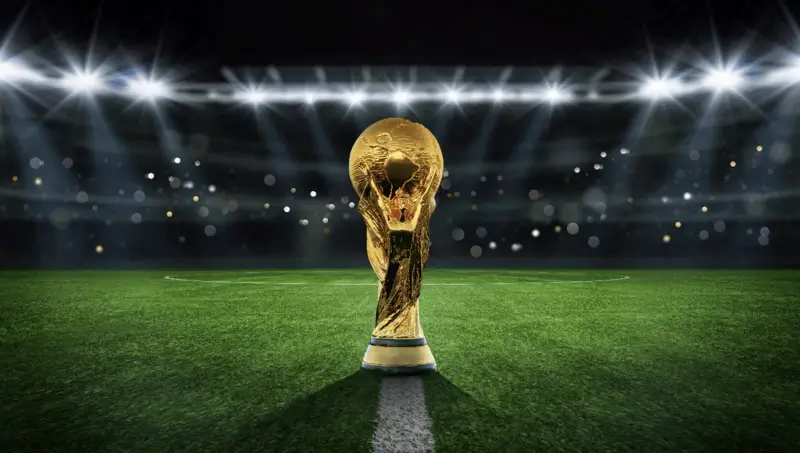
With the expanded format of the 2026 World Cup, the group stage looks more competitive than ever, creating plenty of talking points for fans and analysts, including those following the tournament via a leading sports betting app. While some groups have clear favorites, others are well balanced and could depend on thin margins. Here’s a group-by-group look at who is most likely to finish first and why.
Group A: Mexico, South Africa, Korea, winner of UEFA play-off D
Group A is one of the most evenly matched groups in the tournament. Mexico, South Africa and Korea all bring different strengths, and any of the European playoff teams would be competitive additions. Mexico’s World Cup experience, combined with home region familiarity and tournament knowledge, gives them an advantage. They are designed to navigate tight games and get results.
Group B: Canada, Qatar, Switzerland, UEFA play-off A winner
This group has intrigue, especially depending on which European team qualifies. Canada and Qatar are improving but remain inconsistent, while Switzerland are reliable, organized and tactically disciplined. Their experience navigating the group stages, plus their FIFA world ranking, make them the surest bet to finish first.
Group C: Brazil, Morocco, Haiti, Scotland
Brazil is the clear favorite here. They are the most successful nation in World Cup history, having won the tournament five times, most recently in 2002, and have reached at least the quarter-finals in every tournament since. Currently ranked fifth in the world, Brazil’s consistency, depth and experience at major tournaments puts them ahead of well-organized but less-proven opposition.
Group D: United States, Paraguay, Australia, UEFA play-off C winner
The United States has gained momentum in recent international cycles, with strong performances in CONCACAF tournaments. Although they have only reached the quarter-finals, they will be playing in familiar conditions with an established core of players. Their form suggests they are well placed to overcome a competitive pack.
Group E: Germany, Ecuador, Ivory Coast, Curacao
Germany’s international form has stabilized after a turbulent period, and they go into this group with something to prove. Since winning the World Cup in 2014, they have failed to get out of the group stage at every tournament, a run that has raised questions about their consistency. However, they remain the top-ranked team here and, on paper, still possess more depth and quality than their opponents. If they can translate that into performances, they will have enough to finish first.
Group F: Netherlands, Japan, Tunisia, winner of UEFA play-off B
The Netherlands arrive in strong international form, having impressed at the European Championships with confident performances against top-class opposition. They are now ranked seventh in FIFA, and their momentum, combined with their consistent record in major tournaments and tactical flexibility, gives them an advantage in a group that includes several well-organized teams.
Group G: Belgium, Iran, Egypt, New Zealand
This group looks set to be decided between Belgium and Egypt. Belgium remain favorites on paper, but their international performances have declined in recent years compared to their peak. Egypt, on the other hand, arrive with a powerful squad with top players such as Mohamed Salah and Omar Marmoush. Ultimately, Belgium’s experience may give them the edge, but this is likely to be one of the tighter group battles.
Group H: Spain, Uruguay, Saudi Arabia, Cape Verde
Spain enters this group as the clear favorite and the number one team in the tournament. His recent victory at the European Championship underlined his dominance at international level. Their squad is also full of big names in football, such as Lamine Yamal and Pedri. Given this level of talent, anything other than Spain topping the group would be a huge shock.
Group I: France, Senegal, Norway, winner of interconfederation play-off 2
France comes into the tournament as one of the strongest teams in world football. They won the World Cup in 2018 and then reached the final again in 2022, underlining their consistency at the highest level. With world-class players like Kylian Mbappe leading a squad full of depth and quality, France’s international form and tournament pedigree puts them at the top of this group.
Group J: Argentina, Austria, Algeria, Jordan
As the reigning world champions and runners-up in the tournament, Argentina arrive with immense confidence. Their post-title international performances show a side that hasn’t gone down, still winning consistently and controlling matches. This experience takes them through this group.
Group K: Portugal, Colombia, Uzbekistan, winner of inter-confederation playoff 1
Portugal’s international form remains strong, with consistent qualifying campaigns and competitive performances against elite opposition. Colombia are a real threat, but Portugal’s balance between control and attacking threat gives them the edge over the group stage.
Group L: England, Croatia, Ghana, Panama
England arrive in excellent international form, having gone unbeaten in qualifying without conceding a single goal. Recent performances in the tournament show a team that is more controlled, defensively sound and tactically flexible than in previous cycles. Against strong opponents in Croatia and Ghana, that consistency will be decisive.

