




The sanctioning body nevertheless approved him as the challenger.
This is not an argument against Verhoeven’s athletic background. In kickboxing, his achievements are extensive. He held a version of the heavyweight championship for over a decade and defended it against elite opposition, building a long reign over another combat sport. He understands championship pressure and has spent years performing at the highest level available.
The issue is whether that history qualifies directly for a world heavyweight title fight in boxing.
Usyk, now 39, reached his position through defined steps within the sport. After moving up from cruiserweight, he defeated established contenders and unified titles through high-level fights. His recent run included two wins over Tyson Fury in Riyadh before stopping Daniel Dubois in five rounds to retain championship status. Each of those fights came against ranked heavyweights who work in boxing’s pecking order.
Verhoeven goes in without that path. Absent from professional boxing for more than a decade, he hasn’t built recent rounds against modern heavyweights, moved through knockouts or navigated a ladder under contemporary championship conditions. Still, the WBC deemed him fit to compete for his belt.
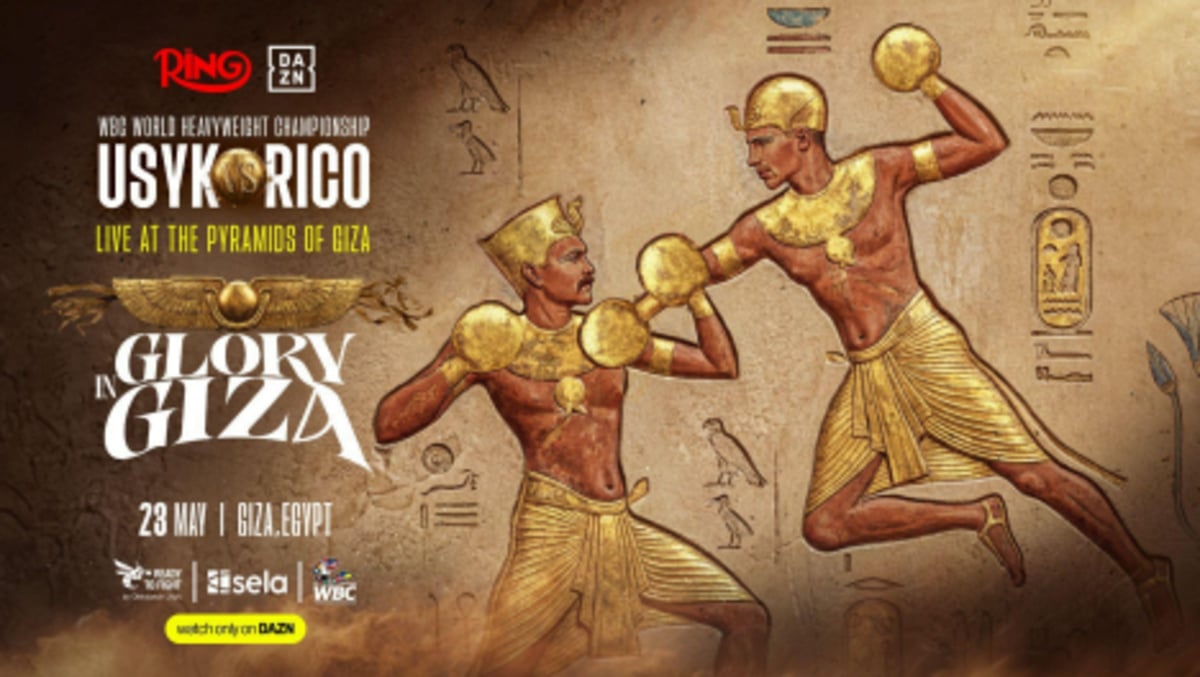
The event itself explains part of the calculation. Branded “Glory in Giza,” the fight will take place in Egypt and stream worldwide on DAZN under the direction of His Excellency Turki Alalshikh. The scale of the staging, the historic setting and the financial support position it as a destination event built for international reach rather than a routine defense pulled from the ropes of the competitor.
Heavyweight championships have traditionally progressed through ranked challengers, knockouts and ordered mandatory defenses. That system has never been rigid, but it has existed as a visible framework. Endorsing a crossover challenger with a single professional boxing bout moves outside that framework and adjusts the standard applied.
Supporters of the decision will point to Verhoeven’s credentials. He is not inexperienced in combat sports, nor is he unfamiliar with performing under championship pressure. Physically he fits the section, and commercially he brings a different audience segment to the event. From a promotional point of view, the appeal is clear.
However, sanctioning is intended to reflect competitive standing within the sport itself.
Usyk’s position complicates the picture. Having unified and defended against established names, he operates with the freedom that often comes with long-reigning champions. Heavyweight titleholders historically select opponents based on reward and timing once they clear their primary field. A crossover opponent with limited boxing experience presents a different risk profile than a ranked contender with dozens of professional bouts.
That adjustment doesn’t erase the legitimacy of the belt, but it does indicate how flexible the approval process can become when event scale and global reach enter the equation.
The heavyweight championship has long functioned as boxing’s symbolic center. Decisions about who competes for it reflect how the sport weighs competitive order against commercial ambition. In this case, the emphasis clearly favors the event’s reach and spectacle.
Verhoeven earned his reputation in kickboxing. Usyk earned his in boxing. On May 23, those careers cross under heavyweight championship rules, and the event can succeed on its own terms.
Yet a fighter absent from professional boxing for twelve years has been cleared to challenge for the sport’s most visible prize. This fact alone tells you where heavyweight title endorsements stand at this moment.

