




Fury has lost twice to Usyk. Not just in a way that leaves the door open for easy correction, but in fights where he couldn’t secure a decision and couldn’t impose the kind of physical dominance that once defined him. Even in the description of the way forward, the admission is built in.
“He’s come to terms with the two losses,” Davies told Boxing Social, echoing Fury’s own view. “I have to knock him out to beat him … I don’t think I can get a decision against him.”
That line doesn’t sound like a warrior in control of the terms. It sounds like someone believes the only route left is the toughest one available, against the same opponent who has denied him twice.
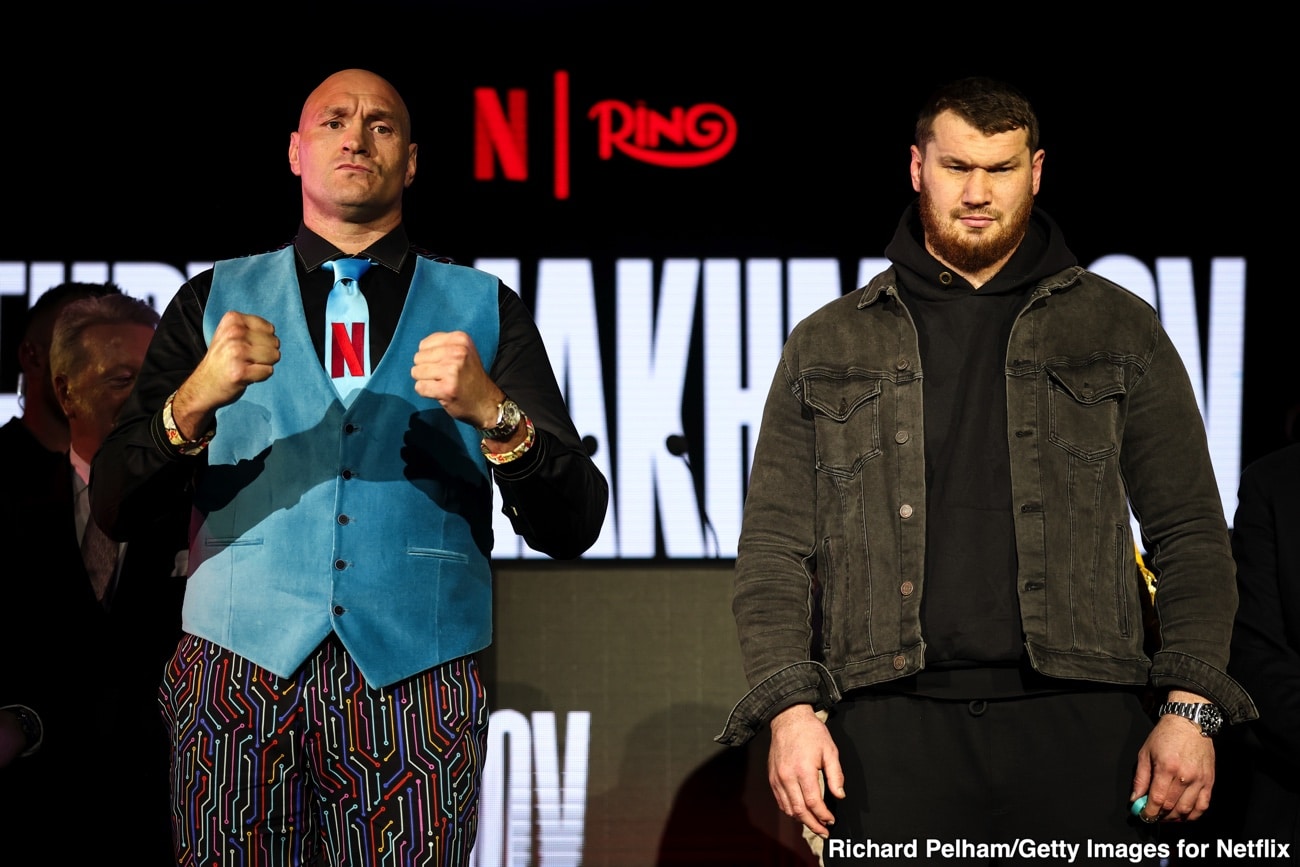
The Makhmudov fight sits at the forefront of this plan, but it is being treated more like a step than a test. Davies suggested that if Fury performs at the level he showed against Usyk, he should handle Makhmudov without much trouble. That may be true. It also sidesteps the more relevant point. Fury’s version of those Usyk fights was not dominant. It was competitive, but it fell short.
At the same time, Fury acknowledges where he is in his career. Davies said Fury realizes he is getting old in boxing terms and may only have three fights left. That awareness is real. The plan built around that still assumes he can summon something else when it matters most.
There is also a pattern hanging over it all. Fury has announced retirement more than once. After Wladimir Klitschko. After the third fight with Deontay Wilder. Again, more recently. Each time the end was presented as final. Every time it wasn’t.
This plan feels familiar. Fury has said it before, setting up another short run and circling back to Usyk again.
The difference now is that the evidence has changed. Fury no longer operates from a position where he dictates the outcome. He tries to build a finish around a result that he could not deliver.
The road map is clear. Whether the fighter needed to pull it off is still around is the unanswered part.

