


By Martin Graham
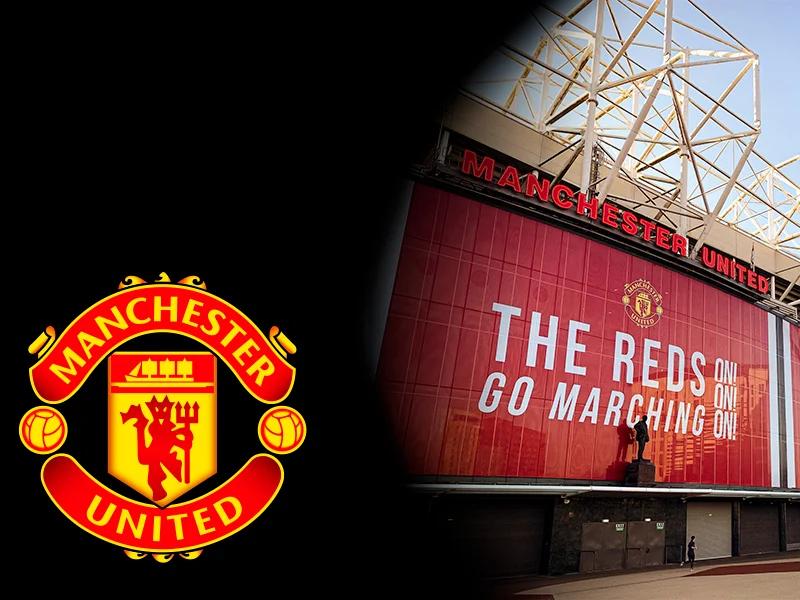
Manchester United they are once again looking for a coach after the sacking of Ruben Amorim, and with this process has come a familiar phrase: the need to rediscover the club’s ‘DNA’.
The expression is often revived during periods of instability, acting as a reference to more successful times. Following Amorim’s departure, former defender Gary Neville argued that the club must now appoint someone aligned with its traditional identity.
This language is not exclusive to Old Trafford. Following Liverpool’s goalless draw with Leeds United, former Reds striker John Aldridge claimed the club had lost their own “DNA”, citing a lack of urgency, creativity and hunger.
In times of difficulty, talk of “DNA” usually implies a return to established values and past methods that supporters associate with glory. At United, this has led minority owner Sir Jim Ratcliffe and his group to consider interim solutions closely linked to the club’s history.
Darren Fletcher recently oversaw a game against Burnley, while Ole Gunnar Solskjaer and Michael Carrick are also under consideration. Between them, Fletcher and Carrick collected 10 league titles at the club, while Solskjaer lifted six and scored the decisive goal in the 1999 Champions League final.
Fletcher even sought Sir Alex Ferguson’s approval before taking over on a temporary basis, highlighting the continuing shadow cast by the most successful manager in United’s history. Ferguson’s record includes 13 Premier League trophies, two Champions League triumphs and multiple domestic doubles.
However, questions remain about whether Ferguson’s endorsement still carries practical weight more than a decade after his retirement, and whether invoking the past can truly restore what many believe has been lost.
Define the identity of a club
Supporters who believe in “DNA” see it as an inherited philosophy, shaping how a team plays and how it makes people feel. Neville has described United’s version as fast, bold, attacking football, insisting the club must not adapt to any one manager.
This description reflects the approach seen by both Ferguson and Sir Matt Busby, marked by pace, aggression and a desire to promote young players. Iconic eras such as the Busby Babes and the Class of 92 are central to this narrative.
Many figures from those periods now work in the media, increasing public scrutiny of every decision. Amorim himself acknowledged this pressure shortly before his departure, suggesting the club might need structural change if he could not cope with the constant criticism.
Liverpool’s supposed ‘DNA’ is often linked to excitement, intensity and attacking intent, qualities associated with their success under Jurgen Klopp. However, the modern game is increasingly prioritizing results over aesthetics.
Ultimately, winning has become the main currency of football, regardless of the method used to achieve it.
Which teams really have a “DNA”?
Whether a club has a different identity is usually decided by the supporters during periods of success. Manchester United and Liverpool believe they know what defines them, including the bond between fans and manager.
Barcelona’s possession-centric style can be traced back to Johan Cruyff, later refined by those influenced by him, including Pep Guardiola. Ajax have remained true to the principles of total football, developed by Rinus Michels and embodied by Cruyff, all relying heavily on youth development.
For Real Madrid and Bayern Munich, success itself is at the core of their identity. Winning trophies is the defining characteristic.
In contrast, Manchester City and Paris St-Germain have dominated domestically and claimed European success without being tied to a clearly defined historical style.
In England, some clubs’ claims to a fixed identity are more controversial. West Ham United’s long-standing belief in “The West Ham Way” has been criticized by former manager Sam Allardyce, who rejected the idea of a single, traditional approach. David Moyes later admitted he could not define it himself, despite delivering a European trophy in 2023.
Tottenham Hotspur’s motto, “To dare is to do,” is often associated with attacking football. Ange Postecoglou initially embodied this approach, but a season that ended in 17th place and 22 league defeats led to his sacking, even after a Europa League win.
Romance versus reality
References to “DNA” are often rooted in nostalgia. Jose Mourinho’s pragmatic methods bore little resemblance to United’s preferred image, but he delivered silverware early in his tenure.
Only a small number of figures really shape the long-term character of a club. Leaders like Bill Shankly, Klopp and Ferguson combined authority, vision and success in a rare way.
In practical terms, “DNA” often serves as shorthand for having elite players and an outstanding coach. Calls for United to rediscover its identity are understandable, but identifying someone capable of recreating it is another matter.
The modern game demands exceptional personalities, usually forged by success at the highest level. Figures of Ferguson’s stature are extremely rare, and there is no guarantee that revisiting the past will solve today’s problems.

