


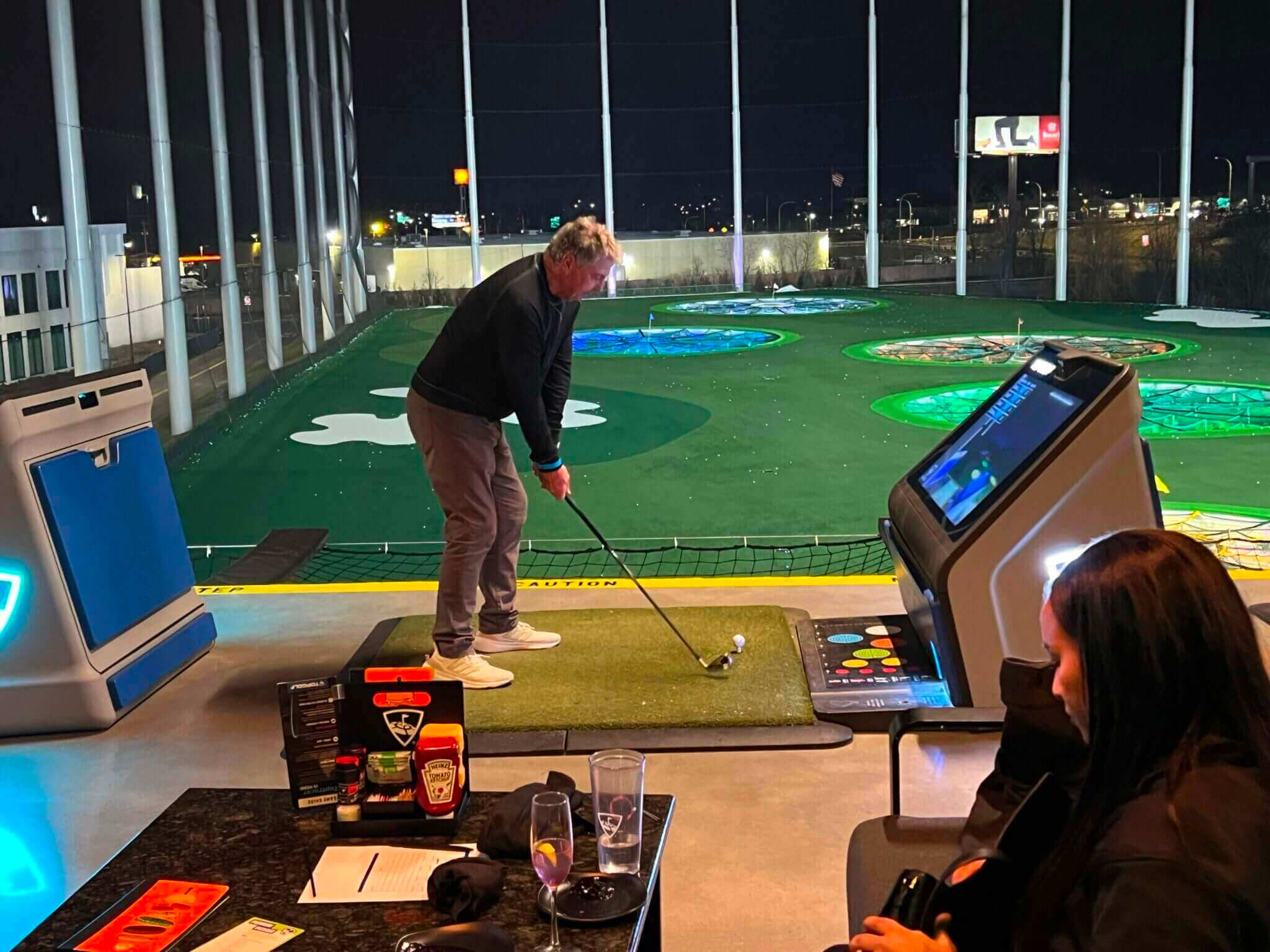
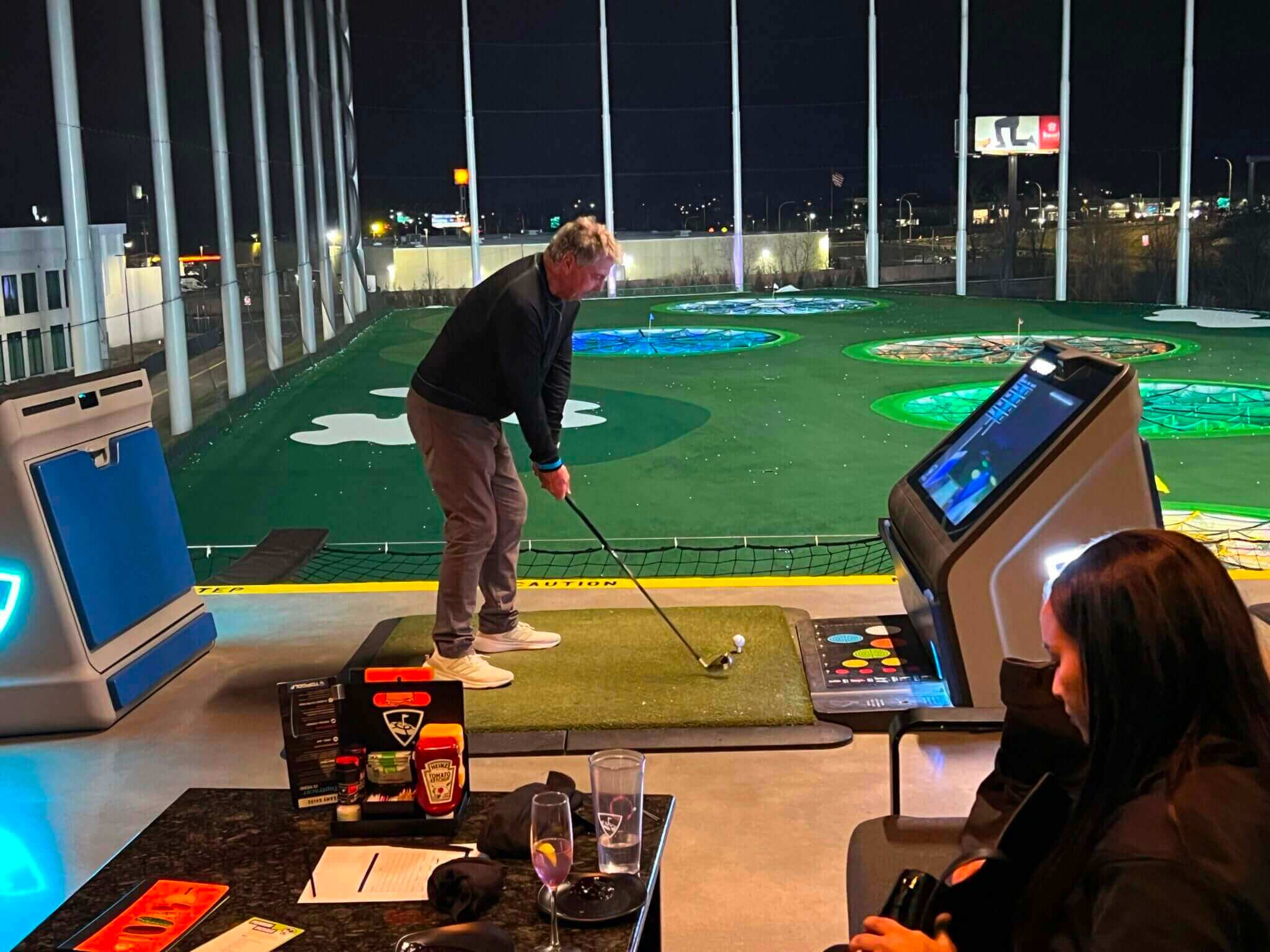
Topgolf Callaway is announcing that it is selling 60 percent of the shares of Topgolf and Toptracer to private equity firm Leonard Green & Partners.
The sale price is $1.1 billion, a far cry from the $2.6 billion stock merger agreement between Topgolf and Callaway in 2020. Topgolf Callaway’s board of directors unanimously approved the deal, which is expected to be finalized early next year.
Callaway, as the remaining golf equipment and apparel company will be known going forward, is expected to receive about $770 million in cash from the deal. It will also retain a 40 percent stake in Topgolf. The sale marks a strategic shift by Callaway to a traditional golf company, at least as traditional as a $2 billion enterprise can be.
There’s a lot to unpack here, so please leave your preconceived notions at the door. There is more to this than meets the eye.
A seemingly unexpected deal
The deal reportedly came together quickly, especially after Topgolf CEO Artie Starrs left the company in July to take over as CEO of Harley-Davidson. Topgolf Callaway announced plans over a year ago for a tax-free spin-off of Topgolf, making it an independent company. Existing shareholders will be given equal shares in both the new Topgolf and the remaining Callaway.
The split was supposed to have taken place last September. However, the company reported in this year’s second-quarter financial report that the split would be delayed into next year due to Starrs’ departure. The third quarter report, released two weeks ago, notably did not mention the pending split.
“While we have considered various alternatives to spin off Topgolf, including a possible spin-off transaction, we received interest from a number of parties,” Callaway CEO Chip Brewer told investors. “After a robust process and a thorough evaluation of a number of alternatives, we believe this sale is the best outcome.
“This transaction is very attractive in that it provides the company with both significant revenue and a significant addition to Topgolf’s continued growth.”
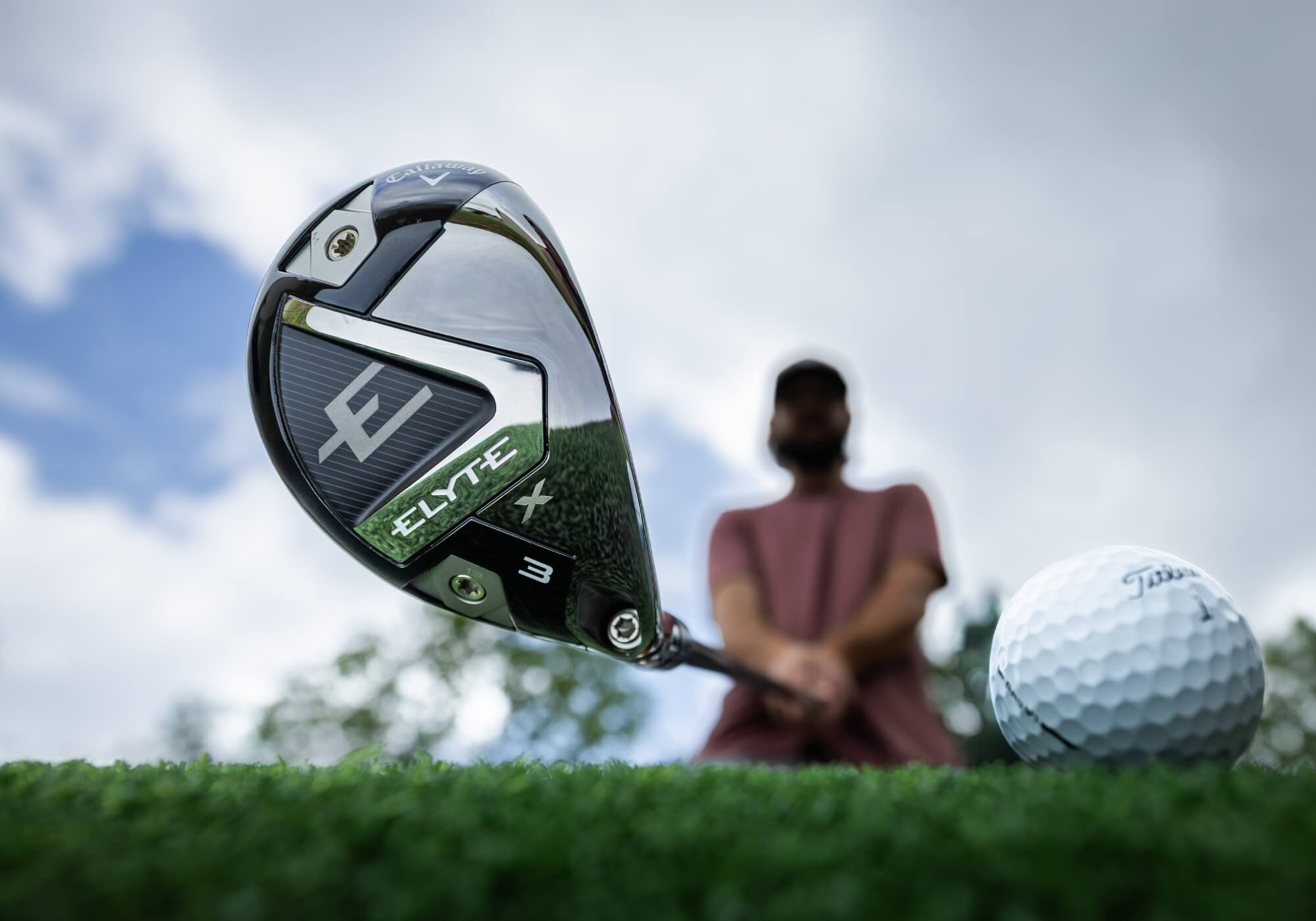
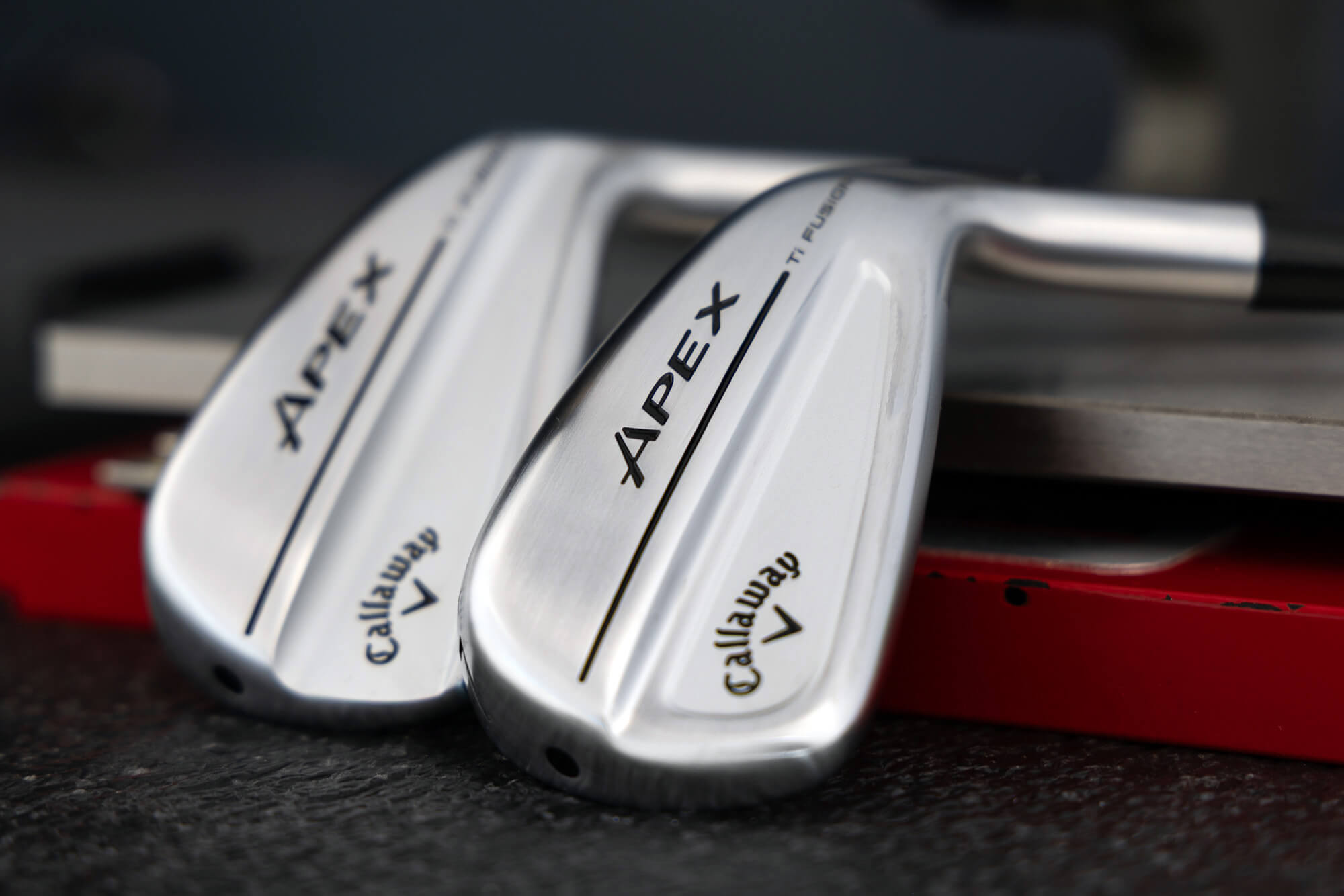
According to Brewer, Callaway’s core golf equipment businesses Callaway and Odyssey, TravisMathew and Ogio have generated about $2 billion in revenue over the past 12 months. The sale gives Callaway some serious cash to pay down debt and reinvest in those core businesses.
Who is Leonard Green and Partners and what are they buying?
Leonard Green & Partners is known for investing in high-growth consumer brands in various fields, including restaurants and sports. It has stakes in restaurants such as Zaxby’s and Velvet Taco, as well as Life Time Fitness and Troon, the world’s largest third-party golf management company.
It also has investments in franchise-based healthcare and veterinary services, tire and auto care chains and Wrench Group, one of the nation’s largest providers of residential HVAC, plumbing and electrical services.
The company has a 35-year history of high-growth investments. It currently has over $75 billion in assets under management. She clearly sees an opportunity with Topgolf as a golf-themed entertainment attraction.

Topgolf has been on an interesting ride over the past couple of years. He joined Callaway to great fanfare when the merger was finalized in March of 2021. Over 35 new locations have opened since then.
As an entity, Topgolf’s revenue has been on a steady rise since the merger. A major problem, however, is that growth has been driven by new countries. In the third quarter of 2023, same-country sales began to decline, and the declines worsened the following year. July 2024 alone saw an 11 percent drop in same-country sales. Topgolf Callaway reported disappointing second-quarter 2024 earnings and the company missed revenue expectations.
Within weeks, share prices fell by nearly a third. That’s when the company announced plans to spin off Topgolf into a separate entity.

Interestingly, the company reported on it Q3 2025 financials that same-country sales were actually up for the quarter. This is the first quarterly increase in two years.
Keeping 40 percent is important
The fact that the remaining Callaway (it will officially list as CALY on the New York Stock Exchange, replacing MODG) is holding 40 percent of Topgolf should not be underestimated.
This shows first and foremost that Callaway remains invested in the future of Topgolf. If Topgolf does well under Leonard Green, that 40 percent stake becomes a valuable asset. If Topgolf does really even under Leonard Green, it becomes a very valuable asset to sell.
It is also important to note that Leonard Green owns stock in Callaway. Brewer indicated on the investor call yesterday that those shares are not part of the Topgolf deal.

The other important part of this deal is, of course, cash flow. Callaway literally had 1.1 billion reasons (770 million net reasons) to sell. Cash is king, and a $770 million windfall buys you a lot of flexibility. On a more practical level, Starrs’ departure in July made the spinoff a clearer, longer-term project. The company would need to identify, hire and onboard a new CEO before the split could take place.
Now, that’s Leonard Green’s problem.
What can we expect from Callaway next?
Despite the initial momentum, it became clear that Callaway and Topgolf had very little in common besides golf. Topgolf is a capital-heavy, low-margin entertainment and dining operation. Callaway’s core business is golf, a relatively more stable, higher and leaner enterprise to drive.
Brewer stated on the investor call that the plan for Callaway going forward is to pay down its debt, reinvest and focus on its core golf brands and potentially buy back stock. Callaway could go into buy mode (think shoes), or it could prepare for a sale of its own.
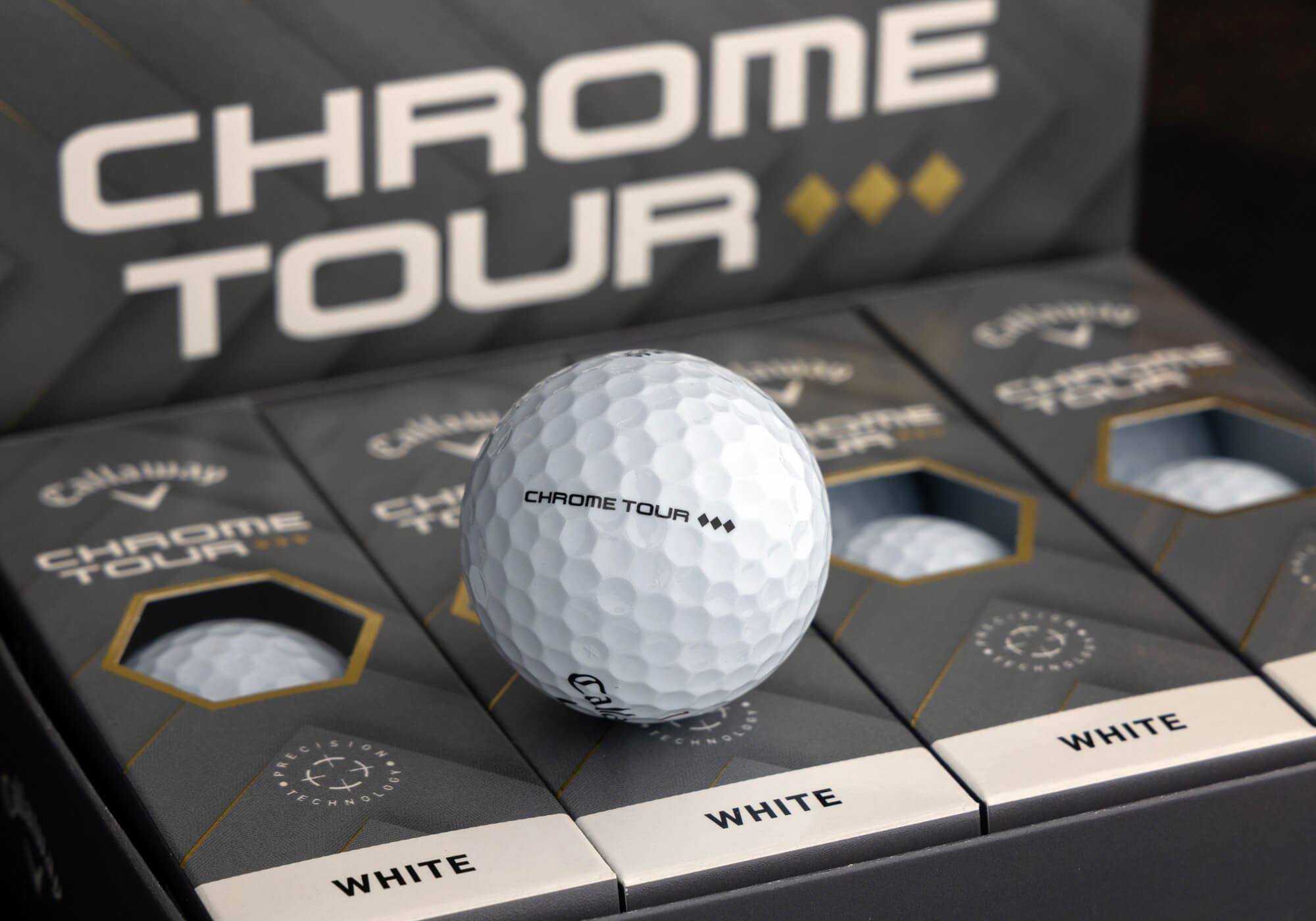
In March 2024, South Korea’s Chosun Daily was the first to report a possible Topgolf-Callaway split. At the time, it was also reported that Callaway Golf itself could be up for sale. The paper reported that Callaway’s three major shareholders (BlackRock, Providence Equity and Carolina Hurricanes owner Thomas Dundon) were investigating the possibility of a sale.
Reports at the time said the legacy Callaway business could be valued at as much as $3 billion.
A sale is always an opportunity. However, while no one says never, it seems unlikely in the short term. By selling Topgolf and rebranding itself, Callaway appears to be doubling down on its core business as opposed to preparing for a sale.
Post Topgolf sold to private equity for $1.1 billion appeared first on MyGolfSpy.

