


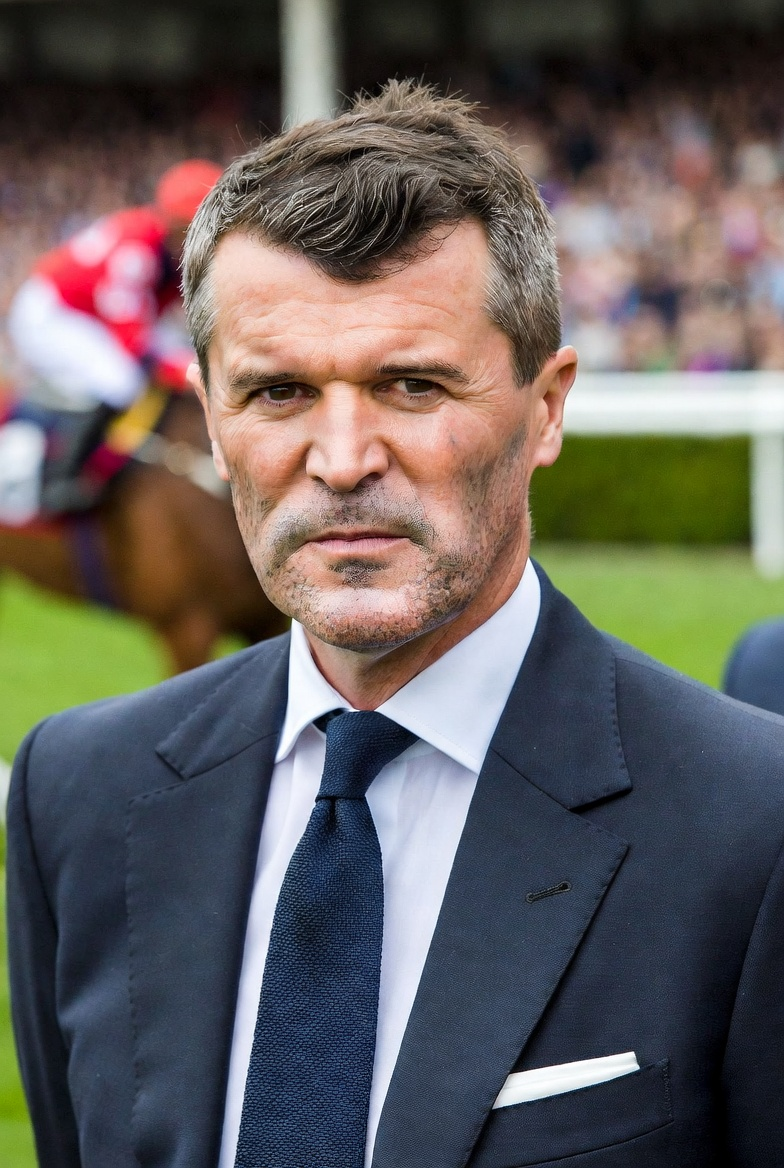
Every March, when the daffodils begin to bloom across the Cotswolds, two of Britain’s most passionate sporting worlds collide in the most spectacular fashion. The Cheltenham Festival — four days of elite National Hunt racing at Prestbury Park — have long since transcended the horseracing community to become one of the most anticipated events in any British sports fan’s calendar. And few groups attend with the same enthusiasm, volume or celebrity visibility as professional footballers.
From Premier League superstars to Championship stalwarts, the connection between football and Cheltenham runs deep with ancient Manchester United manager, Sir Alex Fergusona regular attendee. It’s a relationship based on shared passion, generous salaries, a love of competition and, if we’re being honest, a healthy appetite for gambling. Each year, the sight of recognizable faces from the terraces and training grounds mingling with the racing aristocracy has become as much a part of the Festival’s identity as the Gold Cup itself.
A natural attraction
The timing of Cheltenham has always worked in football’s favour. Falling in mid-March, the Festival lands perfectly during the international break, a rare window when top-flight players are not required for the club. For those not called up by their national teams, it represents a golden opportunity: four glorious days of freedom and one of the world’s great sporting spectacles on their doorstep.
There is also a cultural kinship at play. Both football and horse racing are deeply woven into the fabric of British and Irish working-class culture, although both sports have evolved into billion-pound industries. The tribal loyalties, the ups and downs compressed into ninety minutes or a three-minute race, the camaraderie of shared suffering and euphoria, are experiences that speak a common language. A footballer fresh off a tense relegation battle viscerally understands the strain of watching a horse struggle up Cheltenham’s famous hill.
Stars in the stands
Over the decades, a notable convocation of football royalty has passed through the gates of Prestbury Park. Former Manchester United and Ireland legend Roy Keane He is perhaps the most famous racing devotee among ex-players, a man who has spoken openly about his love of the sport and can be seen at Cheltenham most years, studying the form with characteristic intensity. Just their presence gives the Festival a certain advantage.
Robbie Fowler, the former Liverpool and England striker, has gone a few steps beyond mere assistance: he has become a racehorse owner, bridging the two worlds in the most tangible way possible. He is far from alone. Ownership syndicates that include current and former players have become increasingly common, with footballers attracted by the thrill of having a genuine stake in the action. There’s something uniquely compelling about watching an animal you’ve owned roll down the straight, carrying not just prize money, but months of hope and anticipation.
Wayne Rooney, football manager Harry Redknapp, John Terry and many others have made the pilgrimage to Cheltenham at various points in their careers. Social media has only amplified the connection in recent years, with players sharing their Festival experiences with millions of followers, inadvertently serving as powerful ambassadors for the sport.
The connection of betting culture
It would be disingenuous to discuss the football-Cheltenham relationship without acknowledging the role of betting culture. Horse racing and gambling have been intertwined since the earliest days of the sport, and Cheltenham represents the pinnacle of that tradition. The Festival is one of the biggest betting events in the entire sporting calendar, with hundreds of millions of pounds wagered over the four days.
Professional footballers, equipped with substantial disposable income and a competitive instinct that doesn’t die outside of match day, have historically been drawn to the excitement of the betting circuit. Dressing room culture has long included lively discussions of tips, form guides and pre-markets as the Festival approaches. For many players, Cheltenham week is circled months in advance.
In recent years, the industry has worked hard to promote responsible gambling, with football clubs and the FA introducing stricter regulations on players’ betting activities. The conversation about the impact of gambling on mental health has grown significantly, prompting a more nuanced discussion about the culture surrounding events such as Cheltenham. Even so, for many footballers, attending the Festival is less about the bets and more about the atmosphere, one of the most intoxicating in all of sport.
An Irish connection
No account of the Cheltenham-football nexus would be complete without acknowledging the enormous Irish dimension. For Republic of Ireland footballers in particular, Cheltenham has a meaning that goes beyond sport: it’s a cultural homecoming of sorts, a few days in the English countryside that crackles with Irish pride and community.
The Festival has always been dominated by Irish trainers, owners and horses. When Willie Mullins or Gordon Elliott dispatch a string of fantastic runners, the roar that greets an Irish winner echoes across the Cotswold hills. Irish football figures who make the trip each year speak of Cheltenham as an unmissable occasion: part sporting spectacle, part national meeting, part party.
More than a day out
What is perhaps most surprising about the football-Cheltenham connection is that it has endured and deepened even as both sports have become increasingly professionalized and commercialized. For all the boxes of corporate hospitality and celebrity appearances, the core appeal remains the same: the raw, unscripted drama of elite competition.
Footballers understand better than most what it takes to perform under pressure on the biggest stages. To see a champion jockey navigate a field of thirty horses over four miles of rolling Gloucestershire ground, all at a gallop, speaks to something they instinctively recognise. Margins are impossible; the monumental preparation; whether the execution is glorious or heartbreaking.
Perhaps this is the deepest link between the two worlds. Cheltenham, like football at its best, offers something increasingly rare in modern life: genuine, unfabricated sporting drama where anything can happen and often does. For footballers who spend their careers chasing that feeling, there are few better places on earth to find it than in the hills above Cheltenham in the third week of March.
The Cheltenham Festival will keep on coming. The footballers will keep coming. And the unlikely love affair between the beautiful game and the sport of kings will endure, gloriously unpredictable year after year.


