


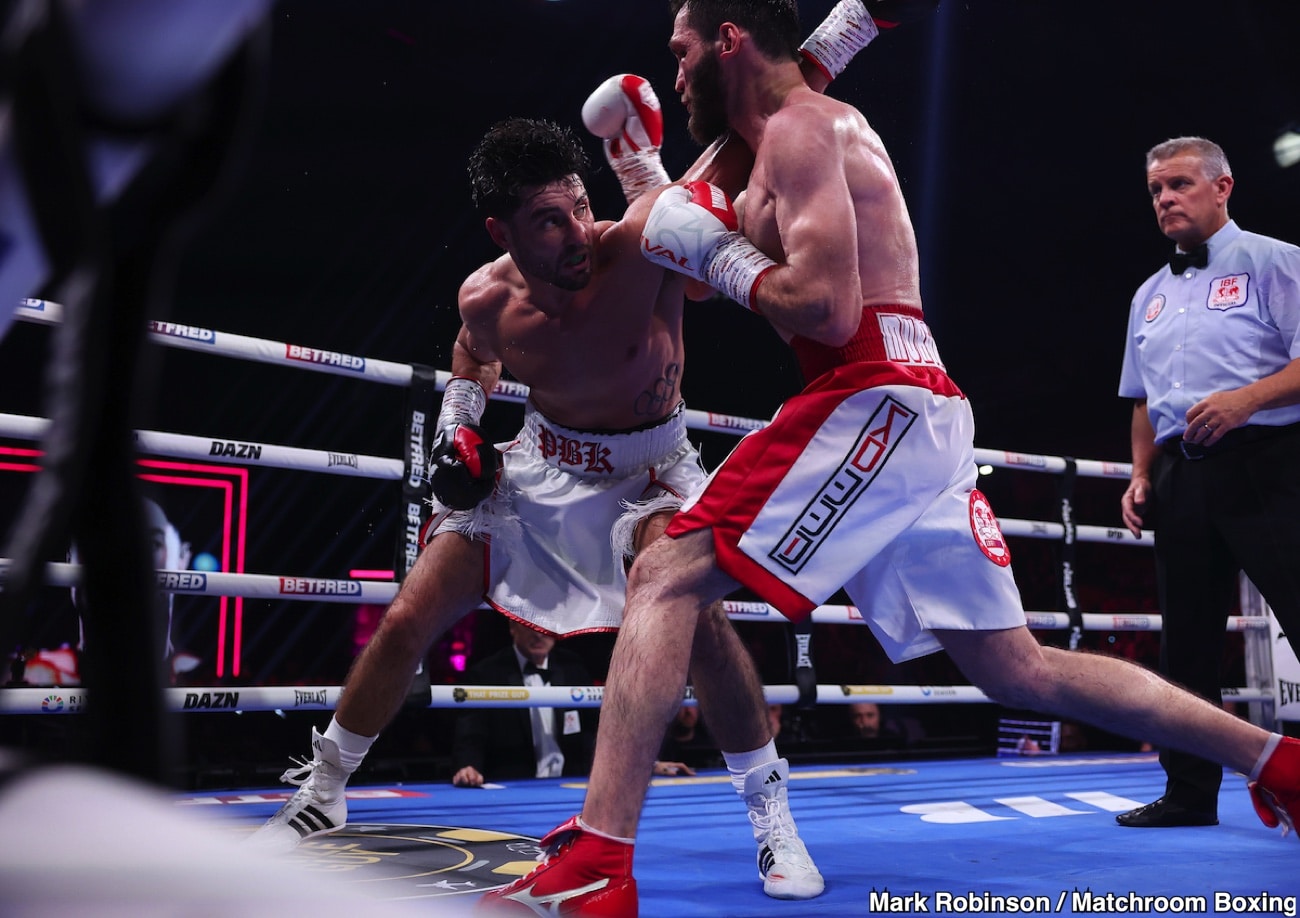
Josh Kelly’s IBF junior middleweight title win moved his position in the division without actually increasing his rank. While the belt doesn’t give him control over the top names at 154 pounds, it does provide a narrow window to negotiate above his usual market value. This lever exists only until the practical limits of its position have been tested.
Kelly finds himself as a titleholder in a weight class where the most dangerous threats currently lack hardware. This situation creates procedural leverage rather than competitive authority. His team can now demand a better scholarship split than his resume alone deserves, especially in talks with Jaron Ennis or Sebastian Fundora. However, the belt will not allow Kelly to dictate terms, locations or timelines with those fighters.


The distinction between holding a belt and holding power is essential here. Ennis has little incentive to travel to Kelly’s backyard, especially after seeing how the Murtazaliev fight was scored. Ennis is also unlikely to accept a smaller purse just to chase a title held by someone whose style relies on movement and optics over damage. The same logic applies to Xander Zayas and Fundora. Both fighters operate at a level where Kelly’s typical approach becomes difficult to sustain.
Kelly’s true path forward exists outside of traditional negotiation. His ideal scenario requires external financing to correct the risk versus reward equation. This reality puts the focus on Turki Alalshikh, who often values defensive stylists and control fighters. Kelly fits that particular profile well, even if his commercial draw remains modest.
Whether that interest turns into an offer remains to be seen. What we do know is that Kelly’s leverage has an expiration date. Belts only retain their maximum value while remaining untested. Kelly’s team understands that the goal is to capitalize on the title while inflating its value, rather than pretending to sit in the middle of the division. That window is currently open, but it will close quickly.
Kelly’s leverage comes from the IBF belt he carries, not because the rest of the division is suddenly sold on him. Big stars can afford to sit back and wait, and the division’s top fighters have the toughness to call their own shots, but Kelly is in neither of those positions.
The Murtazaliev fight was a wake-up call that showed how thin his margin for error really is. As the competition gets tougher, that space is only going to get smaller. Sure, his team can try to protect him with some smart matchups to delay the inevitable, but they can’t run away from the reality of the division forever.
Click here to subscribe to our FREE newsletter
Related Boxing News:
Last updated on 02/01/2026

