


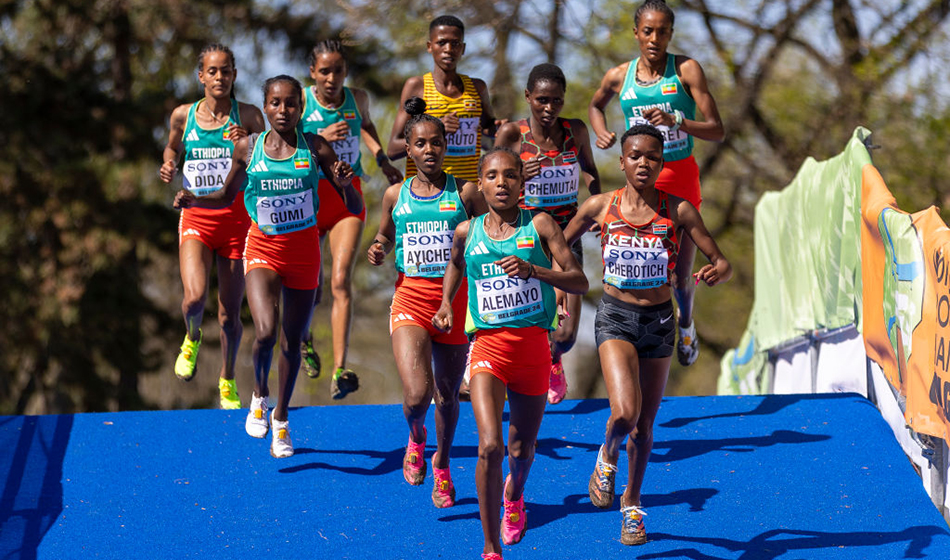
Visa problems have decimated Ethiopia’s squad for this weekend’s World Cup, but much of Europe continues to quietly boycott the once-proud event.
Ethiopia’s World Cup squad in Tallahassee, Florida on Saturday (January 10) has been hit with multiple visa denials. But when it comes to no-shows, it’s the tip of the iceberg, with much of Europe once again quietly boycotting the world event.
Letsrun.com It was revealed this week that the United States has rejected 14 visa applications from athletes from Ethiopia. It has mainly affected the under-20 teams, but officials, coaches, senior athletes and relay players from the East African countries have also been affected, although the organizers are well aware of the potential problems.
Despite Ethiopia, the number of countries missing from the event is alarming.
The list of no-shows in Tallahassee includes Italy, Germany, Norway, Poland, Portugal, Austria, Czech Republic, Croatia, Denmark, Finland, Hungary, Ukraine, Turkey and Switzerland, to name a few.
In addition, Belgium only has one runner (in the under-20 men’s race), while the Netherlands also has just one athlete (in the senior women’s race).
Denmark and Serbia have also hosted the event in recent years but are not backing the 2026 championships.
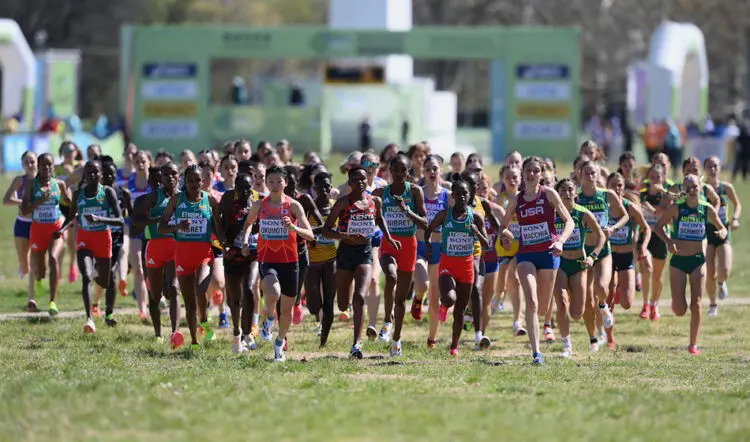
It’s all a shame because Tallahassee promises to be an exciting and challenging course with a good atmosphere and global medals.
World Athletics hoped the new date at the start of the new year, compared to the traditional late March date, would bypass the indoor and road running seasons and invite more athletes to compete. But the program fell on its face in the mud.
As well as missing entire teams, a number of the world’s top star names won’t be there. From Beatrice Chebet from Kenya to Jakob Ingebrigtse from Norway, the list of absentees is painful.
This weekend A number of top athletes instead compete on the 10km roads of Valencia. These include Britons such as Abbey Donnelly, who finished an excellent 20th at the last World Cross in Belgrade in 2024, plus Scott Beattie, who was a good fourth at last month’s Euro Cross.
However, Great Britain has a great team in Tallahassee and remains one of the top supporters of the event along with World Cross regulars such as Australia, New Zealand, Japan, Canada and Spain.
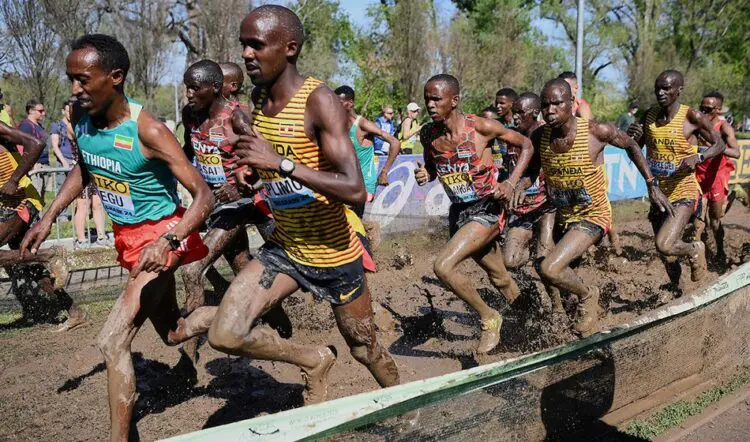
The last World Cross in Belgrade two years ago was similar, with much of Europe quietly boycotting the championship.
“We have work to do,” said world athletics president Seb Coe. “I would like to see more European countries traveling to these championships. Cross-country, used properly in a modern training regimen, is an ageless and timeless concept.”
However, in our championship recap, we said: “Will Tallahassee be different in two years? Don’t hold your breath.”
The irony is that if more European runners targeted Tallahassee, they could easily find themselves in a higher position due to the absence of Ethiopia.
Three-time European champion Innes Fitzgerald, for example, could have claimed a podium place given the fact that Ethiopia will not be able to field a full team, although hindsight is great and the British runner is known to dislike long jumps.

It is not yet clear why the Ethiopian visas were rejected. However, there is a history of Ethiopian athletes becoming asylum seekers after arriving at international championships.
For example, in the 1990s, Birhan Dagne ran for Ethiopia in the Durham World Cross, but then fled to London to seek asylum. He was also successful, later competing for Britain and Belgrave Harriers.
More recently, Ethiopian asylum seekers such as Seifu Jamaal and Omar Ahmed have raced on British roads.
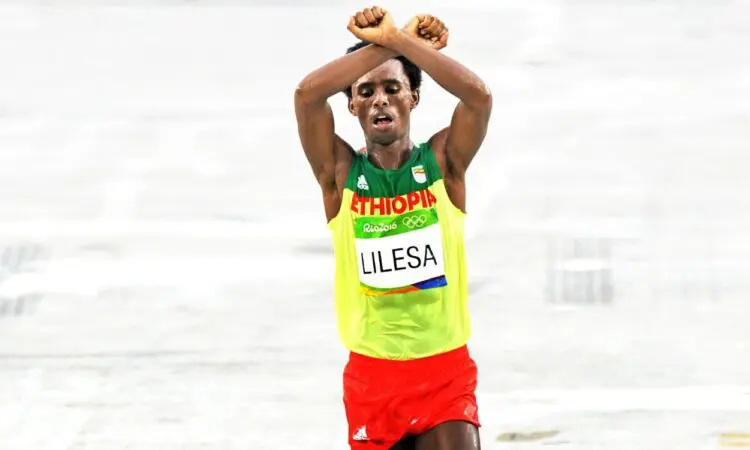
USA’s Feisa Lilesa won Olympic marathon silver behind Eliud Kipchoge in Rio 2016; known for making a political statement when he crossed the line – and tried to stay in the United States after the Games, but eventually returned home.

