


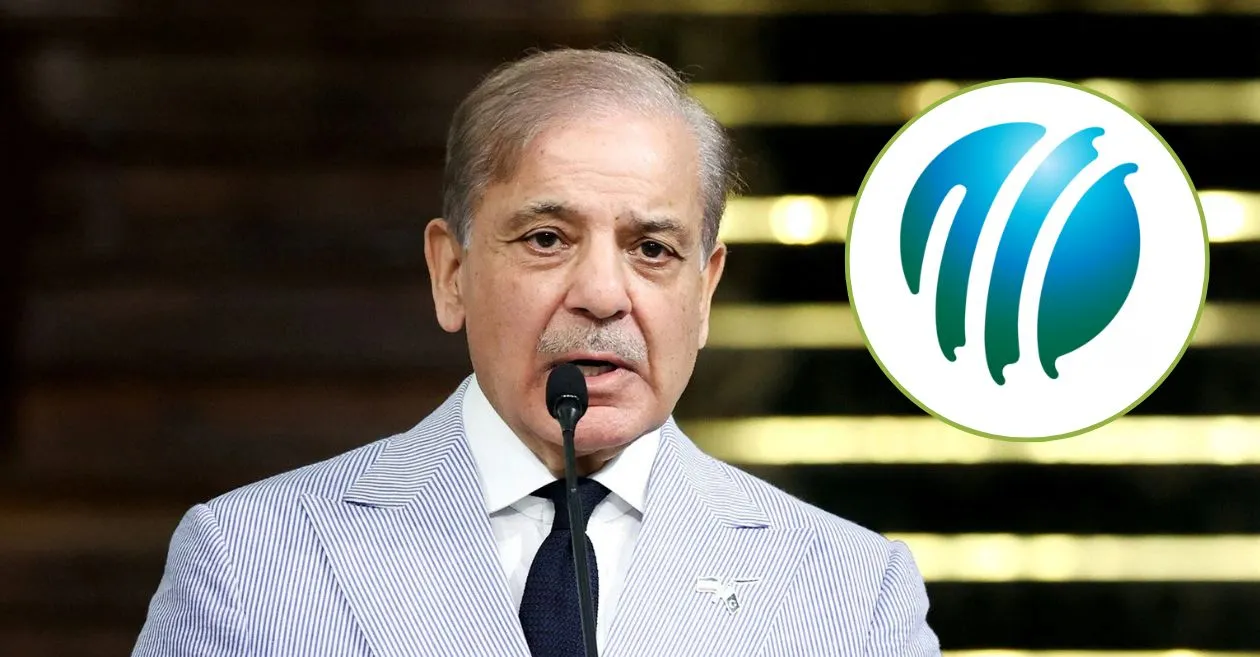

In a move that sent shock waves across the cricketing world, Pakistan Prime Minister Shehbaz Sharif finally broke his silence on his national team’s refusal to face arch-rivals India when it comes ICC Men’s T20 World Cup 2026. Speaking at the federal cabinet in Islamabad on Tuesday, Sharif confirmed the decision was a calculated political stance, noting that the highest office directly linked the boycott to regional solidarity and the alleged “politicization” of sports by international bodies.
Shehbaz Sharif has clarified Pakistan’s stance on skipping the clash with India in the 2026 T20 World Cup.
At the heart of Pakistan’s defiance is its recent elimination Bangladesh From the T20 World Cup schedule. The Bangladesh Cricket Board (BCB) had previously refused to send its team to India, citing significant security concerns and demanding that its matches be shifted elsewhere. Sri Lanka. However, after a 14-2 vote at the ICC, with Pakistan being one of the only two dissenting votes, the ICC rejected the proposal and replaced it with Bangladesh. Scotland.
Sharif assessed Pakistan’s decision to skip the February 15 clash in Colombo as an act of solidarity with its neighbors.
“We have taken a very clear and deliberate positionthere should be no politics on the sports field. We should stand by Bangladesh and we believe that this is the most appropriate response to the current circumstances,” said Sharif.
By framing the boycott as a protest against the ICC’s treatment of India, the Pakistani government is effectively challenging the governance of the global game.
Prime Minister Shahbaz Sharif has confirmed that Pakistan will boycott the India match in T20 World Cup 2026.. Pakistan stands firm on its decision..#T20WorldCup2026 #INDvsPAK #Cricket26 #pakistancricket pic.twitter.com/L2B7nDMRHG
— Uneeb Panjutha (@uneebpanjutha) February 4, 2026
The financial crisis and the formality dilemma of the ICC
The consequences of this boycott go far beyond the scoreboard. The India-Pakistan match is the undisputed cash cow of international cricket, with each match valued at around 100mg. 250 million dollars (approx ₹2,230 crore) in co-broadcast revenues, sponsorships and ticket sales. By losing this particular game, Pakistan Cricket Board (PCB) It targets the financial pillars of the ICC.
Despite the public approval of the Prime Minister, a strange administrative stagnation continues. The PCB is yet to send a formal withdrawal letter to the ICC, prompting a wait-and-watch approach from the governing body. Sources within the PCB indicated that no further communication was needed after the decision was made public through official government channels – a position that mirrors India’s refusal to travel to Pakistan without open government letters for every tournament in the past.
By the way, the ICC is suppressed. Without official notification, they cannot officially announce a ride. Meanwhile, the Indian team led by him Suryakumar Yadavintend to follow protocol to the letter: they will arrive in Colombo, attend a pre-match press conference and come out for the shootout on February 15. If Pakistan doesn’t turn up, the match referee will be forced to award two points to India and the ICC will be grappling with a huge revenue gap and the potential for long-term sanctions against the PCB.
Also READ: From Virat Kohli to Babar Azam: Leading run-scorers in every edition of the T20 World Cup

