


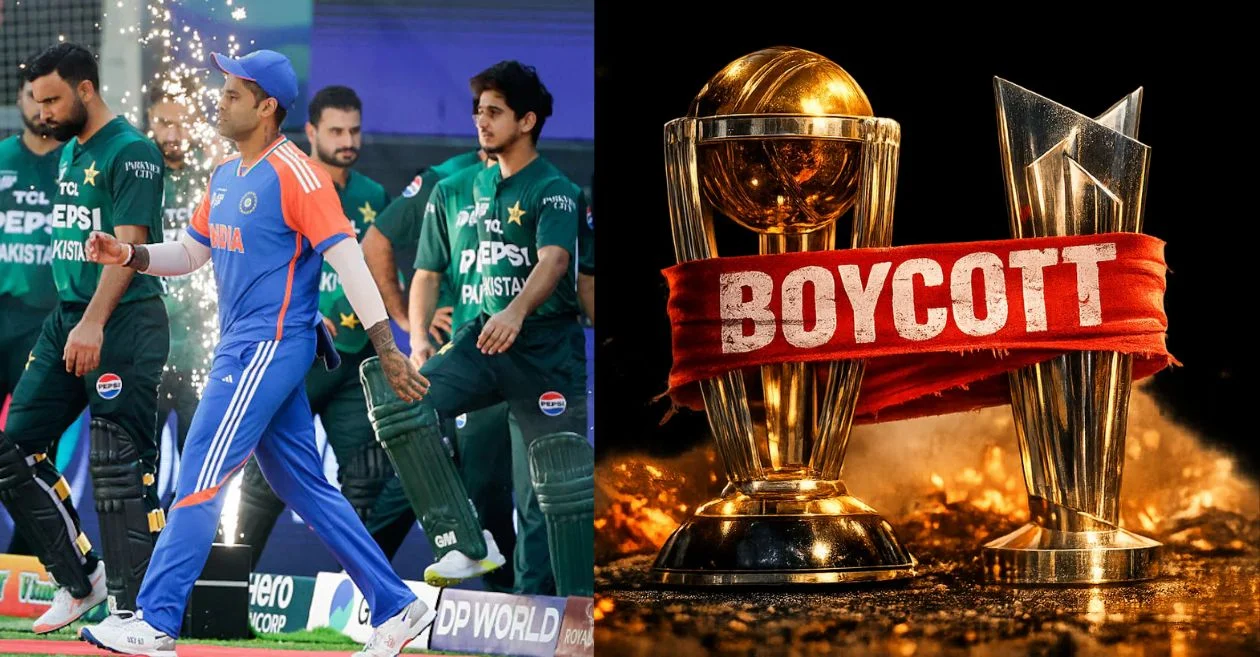

In an unprecedented and seismic shift in world cricket, the Govt Pakistan On February 1, 2026, it officially announced that it would boycott high-profile events T20 World Cup 2026 collide against India. The team is allowed to compete in the rest of the tournament Sri Lankathey were given a ‘stay off’ order for the February 15 match in Colombo. The move was framed as a protest against the removal of the ICC Bangladesh Pushed out of the tournament “The Mother of All Battles” in full diplomatic freeze.
Pakistan-India T20 World Cup 2026 boycotted
The standoff started after the ICC was replaced Bangladesh with Scotland In January 2026. Bangladesh had refused to play their matches in India citing security concerns and Pakistan decided to boycott the India match in solidarity.
- Directive: An official statement from the Pakistani government on X (formerly Twitter) reads: “Pakistan Cricket Team will not appear in the scheduled match against India on February 15, 2026.”
- Penalty: India will receive an automatic berth (2 points), while Pakistan will potentially face expulsion from the tournament and a withholding of $34.5 million in ICC revenue share.
Also READ: T20 World Cup 2026: Ricky Ponting’s top picks for leading run-scorer and Player of the Tournament
Teams that have lost World Cup matches in an ICC event
When a team boycotts a World Cup match, it’s a rare but tournament-changing event. The four main situations in which teams refuse to play are:
1. Australia vs Sri Lanka (1996 ODI World Cup)
After the devastating central bank bombing in Colombo by the LTTE a few weeks before the incident, Australia stated that the security risks were ‘unacceptable’. Despite ICC assurances and a high-profile ‘solidarity match’ involving a joint Indo-Pak team Sri Lankathe Aussies refused to travel.
- Impact: The match was lost; Sri Lanka won 2 points without playing.
2. West Indies vs Sri Lanka (1996 ODI World Cup)
Reflecting Australia’s position West India refused to go to Colombo citing the same security concerns. The ‘safety first’ approach of the big teams inadvertently boosted Sri Lanka’s momentum.
- Impact: Sri Lanka got a second go which helped them reach the quarter finals and eventually win the World Cup.
3. England vs Zimbabwe (2003 ODI World Cup)
In a highly politicized boycott, England He refused to play in Harare, Zimbabwe. Although the official reason was “security”, the move was due to the UK government’s objection to the human rights situation. Robert Mugabe mode.
- Impact: Points were awarded to Zimbabwe, a loss that saw England exit the tournament humiliatingly early.
4. New Zealand vs Kenya (2003 ODI World Cup)
New Zealand He refused to go to Nairobi, Kenyaafter receiving specific intelligence about a potential terrorist threat. They requested a change of venue to South Africa, which the ICC refused.
- Impact: Kenya was awarded a walk. These “free points” were the main catalyst for Kenya becoming the first (and only) non-Test nation to reach the World Cup Semi-Finals.
Summary Table: World Cup Confiscations
| year | Boycott Team | They will oppose | Reason Shown |
|---|---|---|---|
| 1996 | Australia | Sri Lanka | Security (LTTE Bombings) |
| 1996 | West India | Sri Lanka | Security (Security Concern) |
| 2003 | England | Zimbabwe | Political (Mugabe Regime) |
| 2003 | New Zealand | Kenya | Security (Terrorism Threat) |
| 2026 | Pakistan | India | ICC Management/Bangladesh Series |

