


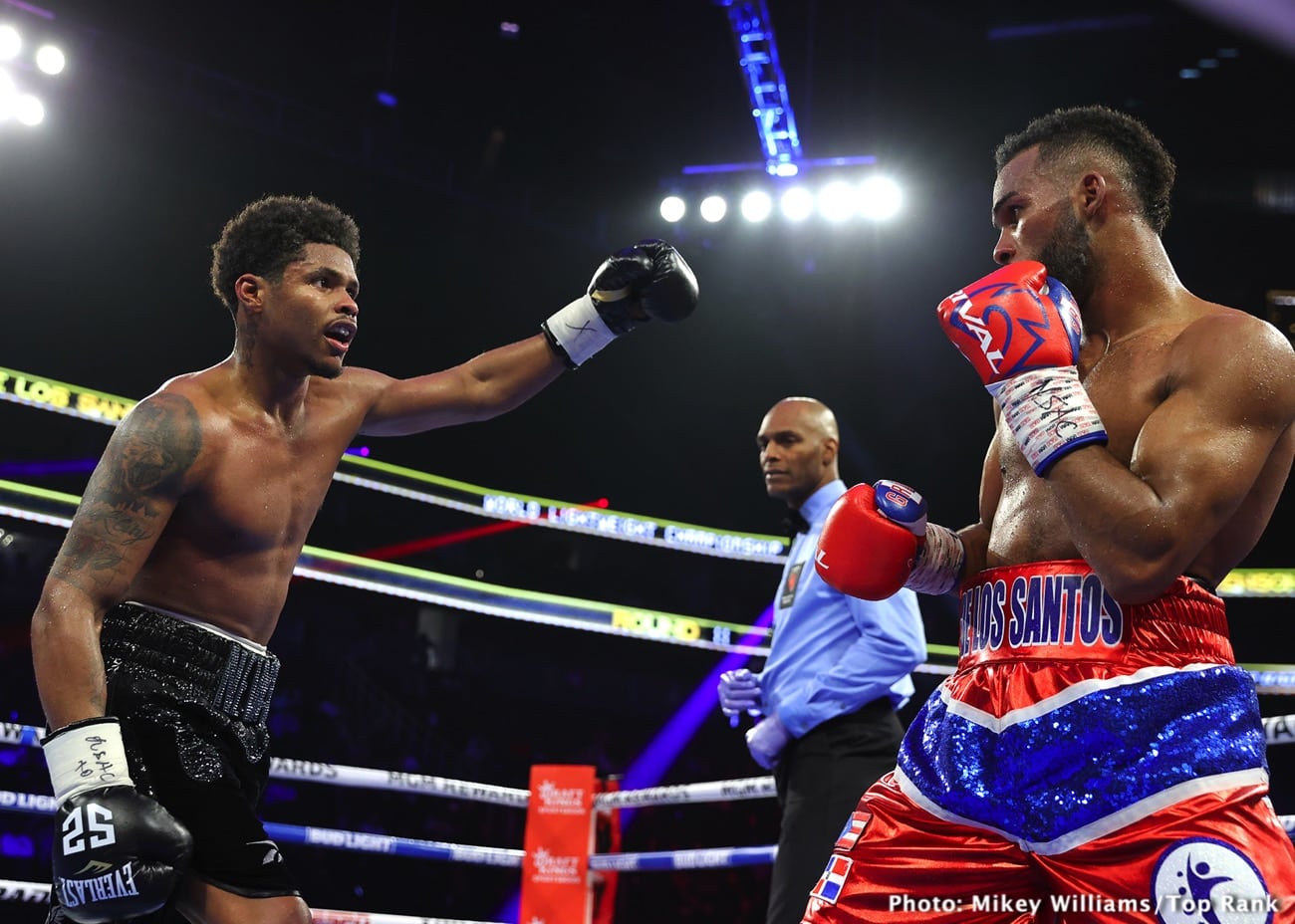
A central issue is traction. Neither Teofimo Lopez nor Shakur Stevenson have reached the point where their name alone creates mass interest. Lopez has moments of personality and confidence, but his appeal has been inconsistent. His public presence can change quickly, and recent appearances have done little to stabilize his standing. Several of his recent fights have been widely described as lackluster, draining excitement rather than building it.
Stevenson faces a different but related problem. He is respected for his technical ability, but his recent outings have cemented a reputation for low-output, defense-first fights. Fans booed during some of those performances, reflecting frustration with a style that prioritizes control over engagement. While Stevenson continues to win, the perception among casual viewers is that his fights lack action. That perception has become difficult to reverse.
Recent form from both fighters contributed to the muted response. Stevenson’s recent victories were seen by a section of the audience as overwhelming, even if they were decisive. Lopez’s form has been up and down since his 2020 win over Vasiliy Lomachenko. His decision on Jamaine Ortiz drew boos. His fight with Steve Claggett failed to generate interest. Earlier struggles, including the narrow victory over Sandor Martin, left doubts. Together, these performances have cooled enthusiasm for a game that once looked far more compelling.
Promotion also played a role. The buildup was dead and silent. There was little sustained marketing push, limited media presence and no consistent effort to sell the fight beyond hardcore fans. The lack of urgency was publicly acknowledged by Lopez, who called for more promotional material on social media, and called for the release of teasers and in-gym footage. The comment served as an implicit acknowledgment that the fight doesn’t generate buzz on its own.
There is also the question of whether this is the wrong battle to create massive demand. Both fighters seem better suited, from a business standpoint, to matches that involve either spectacle or risk. For example, a fight involving Ryan Garcia would provide visibility, controversy and casual interest regardless of the outcome. Alternatively, being placed as a clear underdog against a fighter like Jaron Ennis can create intrigue through danger and uncertainty. Lopez v. Stevenson offers none.
Timing didn’t help. January cards often depend on crossover appeal or strong supporting matchups. This event relies almost entirely on the main fight, and that fight did not attract wider attention.
As it stands, Lopez vs. Stevenson remains a fight that hardcore boxing fans will be watching closely. For everyone else, the combination of lackluster recent fights, poor promotion and limited star draw made it easy to ignore. The skill is there. The demand is not.

