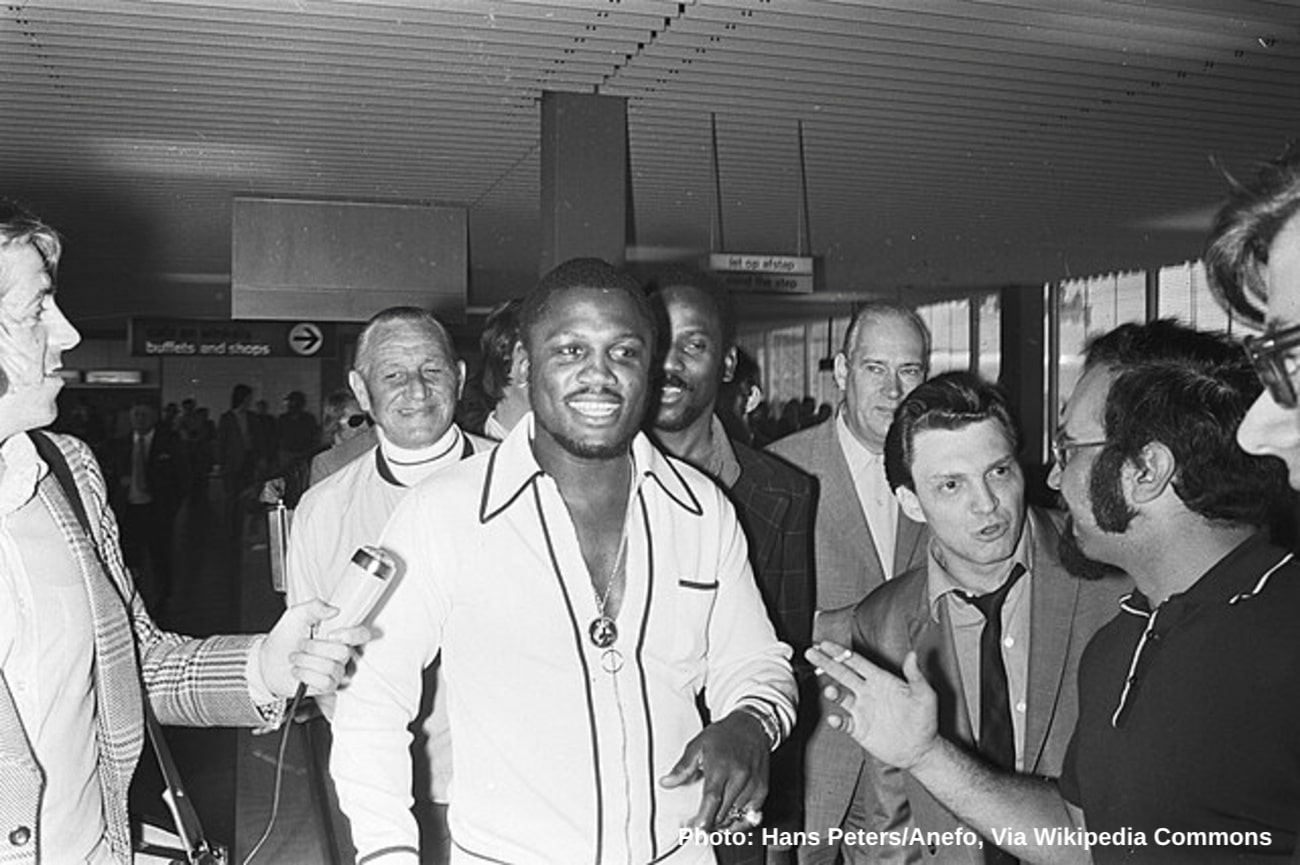
Frazier’s Olympic path was unusual. He lost to Buster Mathis at the US trials, but later replaced Mathis at the Tokyo Games after Mathis was injured. Frazier won gold, stopping three opponents before earning a decision in the finals. He turned professional eight months later and quickly rose through the heavyweight ranks.
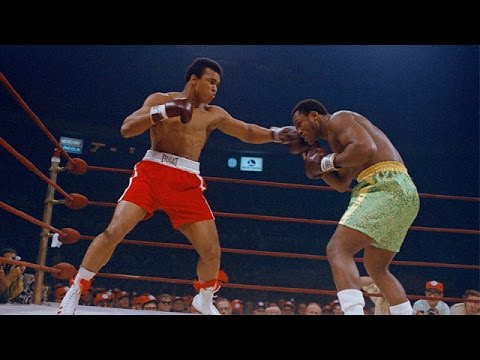
After winning his first 22 professional fights, Frazier faced Oscar Bonavena in a split decision victory at Madison Square Garden, during which he was knocked down twice. He later defeated Mathis in a rematch to claim the New York State Athletic Commission version of the heavyweight title. In 1970 he stopped Jimmy Ellis to win the WBC Heavyweight Championship and later defended it against Bob Foster before facing Ali in 1971. Frazier dropped Ali in the final round and won a unanimous decision.
However, his championship stint was relatively short. Frazier lost the title to George Foreman and later suffered two additional losses to Ali before retiring.
Another Philadelphia fighter often mentioned in these discussions is Tommy Loughran, the former world light heavyweight champion known as the “Phantom of Philly.” Loughran competed in the 1920s and 1930s and built a long career against opponents across several weight classes. His recorded totals vary by source, but his career included more than 100 professional fights.
Loughran won the world light heavyweight title in 1929 by defeating Mickey Walker. He later defeated future heavyweight champions Jim Braddock and Max Baer. Despite frequently giving up size and weight, he remained competitive throughout his career. His only stoppage loss came against heavyweight champion Primo Carnera, who significantly outweighed him.
The comparison between Frazier and Loughran reflects different measures of success. Frazier’s legacy rests on big titles and historic nights. Loughran’s relies on longevity, adaptability and consistent results against a wide range of opponents.
Which fighter best represents Philadelphia depends largely on how greatness is defined. Both careers remain central to the city’s boxing history, and both are still cited when the question is raised.