


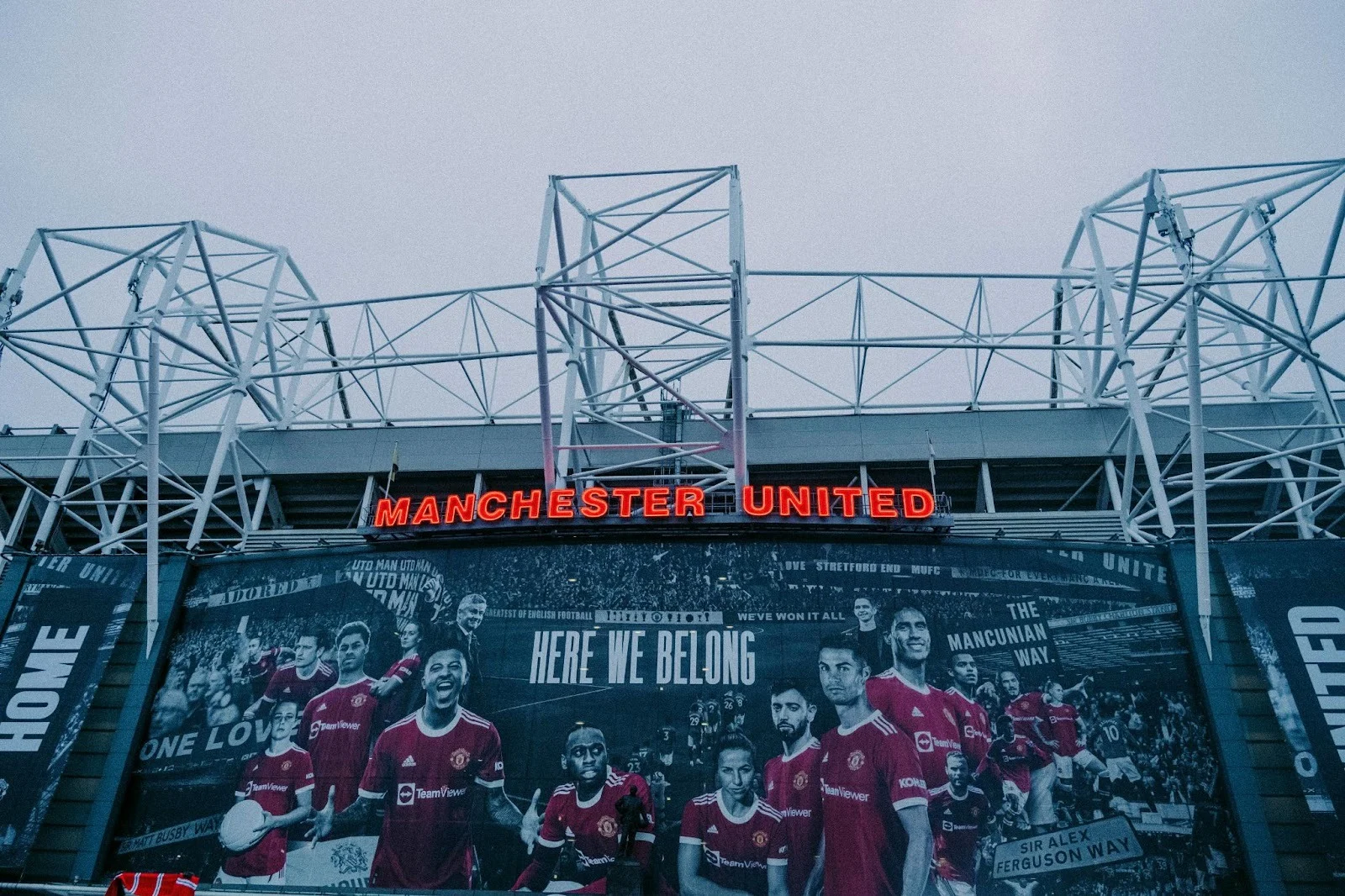
Average Premier League ticket price has shot up to £74with 19 of the 20 clubs collecting matchday tickets an average of 6.7% last season. In addition, 71% of football attendees believe that traditional fans are being left out of the game, while 37% now attend matches less often as a result of current prices. Season ticket prices have risen by an average of 8% ahead of 2025/26, with Premier League matchday revenues reaching a record £900m. We have reached a tipping point where the financial barriers are changing who can afford to support their club.
The rising cost of Premier League football
Revenue continues to rise as fans pay more
This figure almost doubles the £514m earned by Spanish clubs and highlights how expensive English football has become for supporters. Premier League clubs generated a total of £920m from ticket sales last year, an increase of £90m on the previous year.
Bigger clubs set the highest prices
Arsenal earn an average of £89 per ticket, which puts them at the top of what fans pay per match. The six richest clubs average £74 per ticket. Liverpool saw the biggest jump in revenue with a 27% increase on the previous year to a total of £120m.
Season Tickets and Show the Gap Match Tickets
Season ticket prices vary throughout the league. Arsenal’s cheapest season ticket is £1,127, while Chelsea charge £880 and Tottenham £856. West Ham offer the cheapest at £345 and Burnley follow at £352.
Individual match entries show similar disparities. Arsenal’s average ticket price comes in at £88.65, making them the most expensive in the Premier League. Fulham follow at £80.50, then Tottenham at £73.50. Burnley average £42.50 at the cheapest end, with Manchester City charging £45.
Price hikes are becoming increasingly difficult to ignore
Recent price increases have been substantial. Southampton increased their cheapest tickets by 26.4% and Nottingham Forest implemented an increase of 18.3%.
How the ticket prices are destroying the atmosphere of the stadium
Older crowds and quieter terrain
High prices alter who fills the seats. Marc Quambusch, spokesman for German fan campaign group Kein Zwanni, witnessed the change first hand. “When you look at English football and the quietness of the stadium, you should say, ‘OK, that’s not what we want in Germany,'” he observed. “I’ve been to different games, also Arsenal, Nottingham, Liverpool. Years ago in Germany we looked at English football and said, ‘Oh, that’s great, that’s what we want, that’s the biggest atmosphere in Europe’, and now it’s completely dead to be honest.”
The problem goes deeper than noise levels. Arsenal’s average season ticket holder is now in his fifties. Fifty-somethings won’t generate the same energy as teenagers or twenty-somethings, and the atmosphere suffers. What teenager can afford an Arsenal season ticket at today’s prices?
Local support gives way to visitor demand
Tourists have replaced vocal locals in many places. “When you look at English stadiums in particular, a lot of tourists from abroad fly to Manchester, to London and go to Arsenal or United games and they have no connection to the club they support. They are just customers.” Fans report sitting near visitors who spend entire games filming on their phones instead of watching the action.
At the same time, many traditional fans who are priced out aren’t disconnected from football altogether, they just follow it in a different way. Watching games at home, tracking live stats and participating through second screen experiences has become much more commonplace. For some, this also includes choosing bet on footballwhere platforms such as Betmaster UK offer pre-match and in-play markets based on real-time odds, match momentum and detailed statistics from major competitions.
Clubs face a dangerous reality: quiet stadiums harm the product that attracts both field trips and television audiences.
Why clubs continue to raise prices despite fan protests
Losses continue despite high revenues
Clubs have an expense problem, not an income problem. Despite generating a total of £6.5 billion in revenue, 15 Premier League clubs made losses. Only five made a profit. The division made a combined pre-tax loss of £559m. Chelsea posted the second highest loss in European football history at £355m. Spurs lost £129m and Aston Villa £85m.
Matchday revenue accounts for just 18% of the world’s 20 richest clubs, not even commercial and broadcasting revenue. Broadcast revenue growth has stagnated at home, so clubs are turning to ticket prices as one of the few controllable sources of revenue.
Payrolls and tax changes add to the pressure
Wage pressures compound the problem. Premier League wage bill is set to rise. The Big Six are expected to spend more than £200m by 2034. Tax changes from April 2027 will treat image rights payments as income subject to 45% tax instead of 25% corporation tax. This leaves clubs responsible for substantially larger tax bills.
Premium seats become the priority
Clubs are chasing premium tickets and hospitality packages, distrusting the rules of profitability and sustainability. Chelsea offered fans seats behind the dugout for £5,000. Manchester City created an autograph package for £4,200 and West Ham included helicopter rides for £4,000.
The reality is raw. The fans pay the price.
What does this mean for the future of fans of the game
Premier League ticket prices have reached unsustainable levels for traditional supporters. The atmosphere in the stadium continues to deteriorate and the clubs are not handling their finances very well despite record revenues. The biggest problem isn’t revenue, it’s spending, and fans shouldn’t have to bear the cost of financial mismanagement.
Clubs need to address their spending issues instead of further squeezing supporters. Otherwise, we will witness a total revolution in the culture of English football. The passionate and vocal fan base that made the Premier League famous will become nothing more than a distant memory.


