


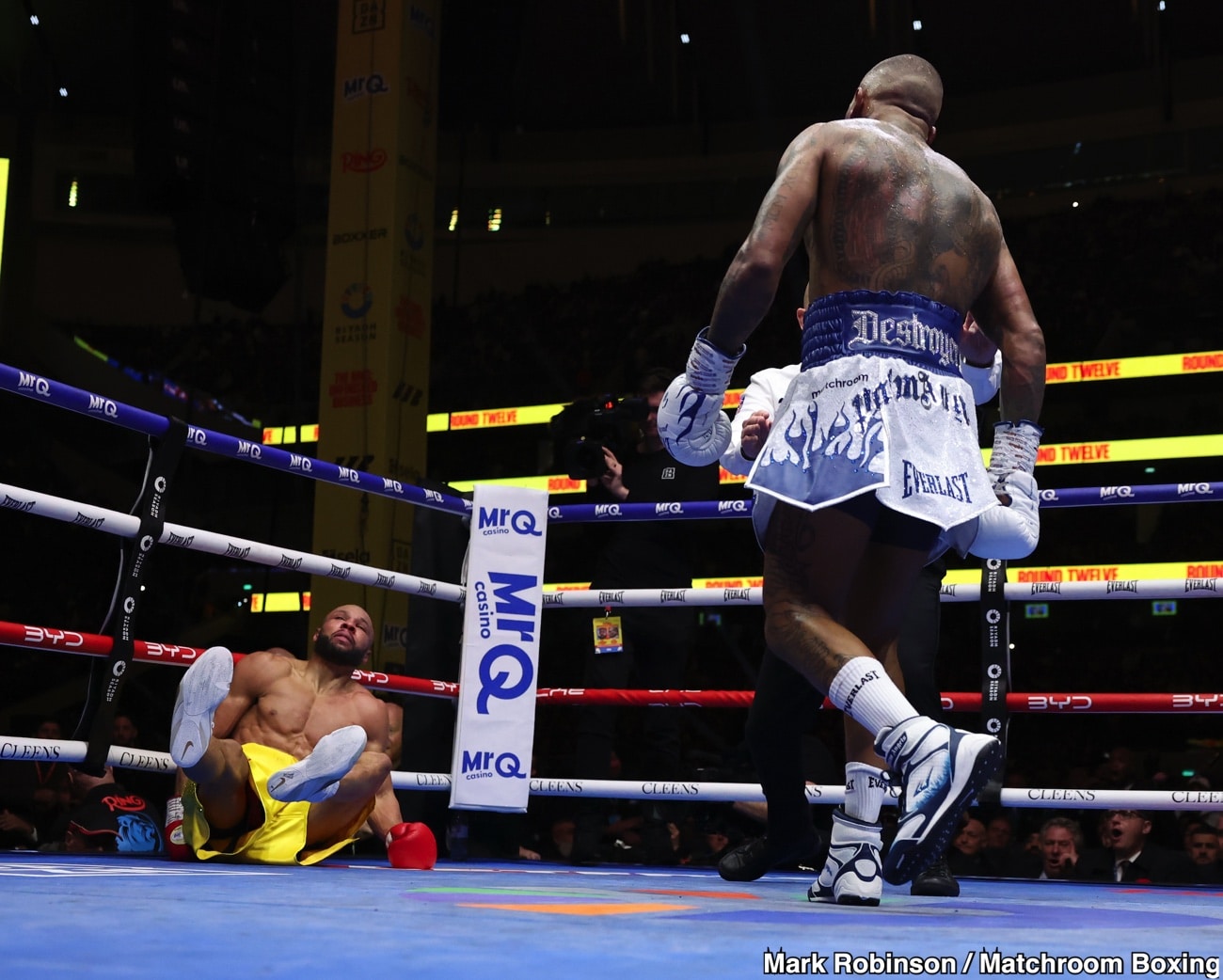


TKO president Mark Shapiro said as much, explaining that the deal covers a single event and not the broader year-long Zuffa series planned for Paramount+. The difference changes the temperature of the shift.
This is not Benn re-establishing his career. It’s Benn who attaches himself to a specific night. Zuffa has mapped out two tracks for his boxing project: a recurring series and a handful of premium superfights. Benn falls into the second category. He is not built into the structure. He is put in the spotlight.
It feels less like a promotional switch and more like a targeted discussion. One event. One opponent. One big push.
There is nothing wrong with that. Boxing has always revolved around big nights rather than long-term plans. Fighters go where the opportunity is. Promoters follow the attraction.
The real reveal will come with the opponent announcement, as a superfight tag brings an expectation of scale and rivalry, something an event can carry on its own rather than relying on branding.
Until then, Benn’s move reads less like a revolution and more like a calendar entry. He did not join a new era. He joined an appointment. What that date yields will determine everything that follows.
There is another reason why the structure makes sense. A one-fight agreement protects everyone involved.
If Benn wins impressively against a high-level opponent, his value rises, and he remains a sought-after headline name. Zuffa takes advantage of the opportunity and can negotiate with strength if both sides want to continue.
If the fight goes the other way, the arrangement ends cleanly. Zuffa isn’t tied to rebuilding a fighter whose stock has dropped, and Benn is not locked into a contract which limits his options at a vulnerable point in his career.
That flexibility carries weight in a sport where one night can change perception quickly. Superfights bring scale and reward, but they also involve real risk. Structuring the deal around one event keeps that risk limited.

