


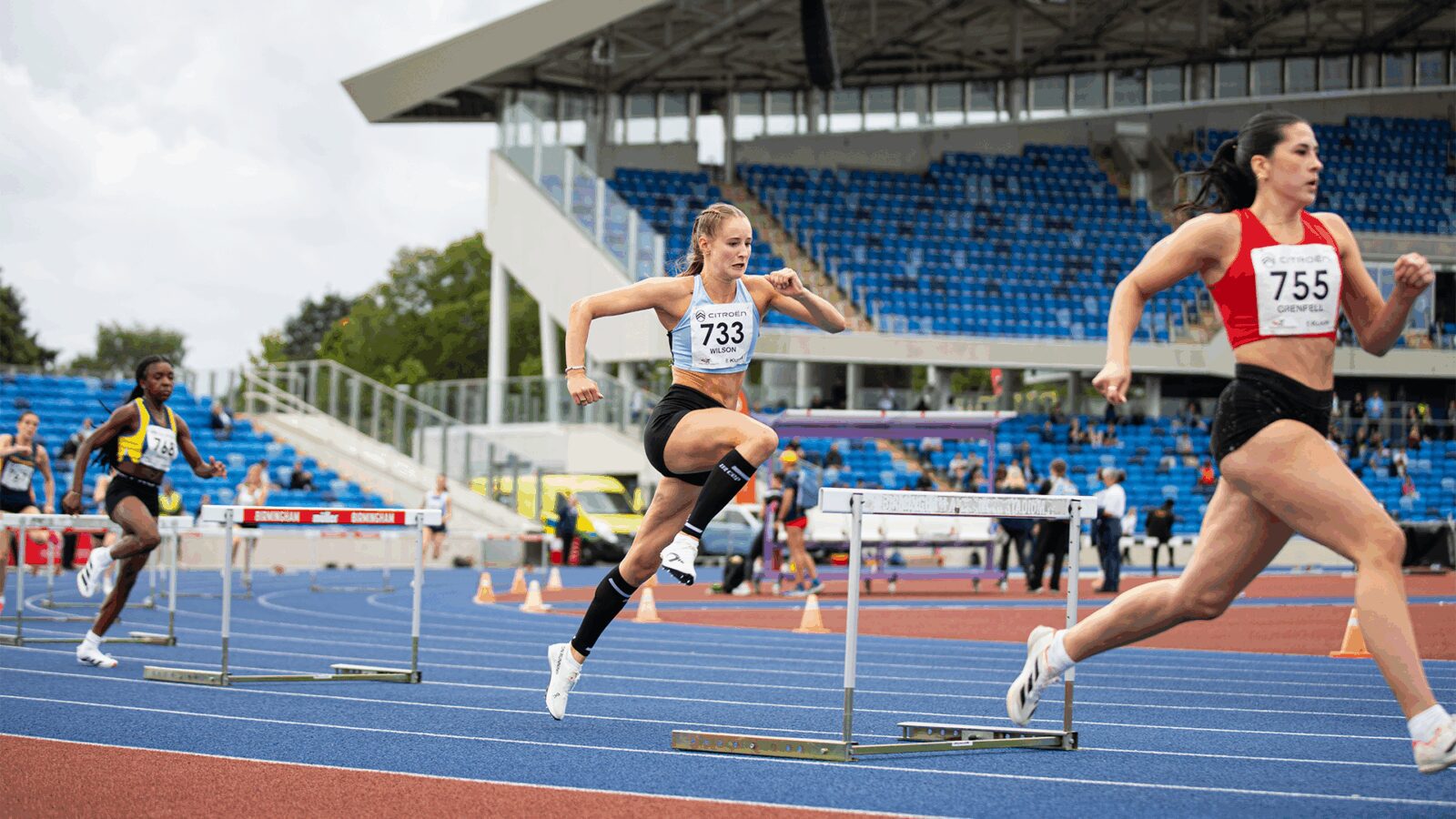
Before becoming the world champion in heptathlon, American Anna Hall left her mark in the 400m hurdles. British teenager Arabella Wilson is now following a similar path.
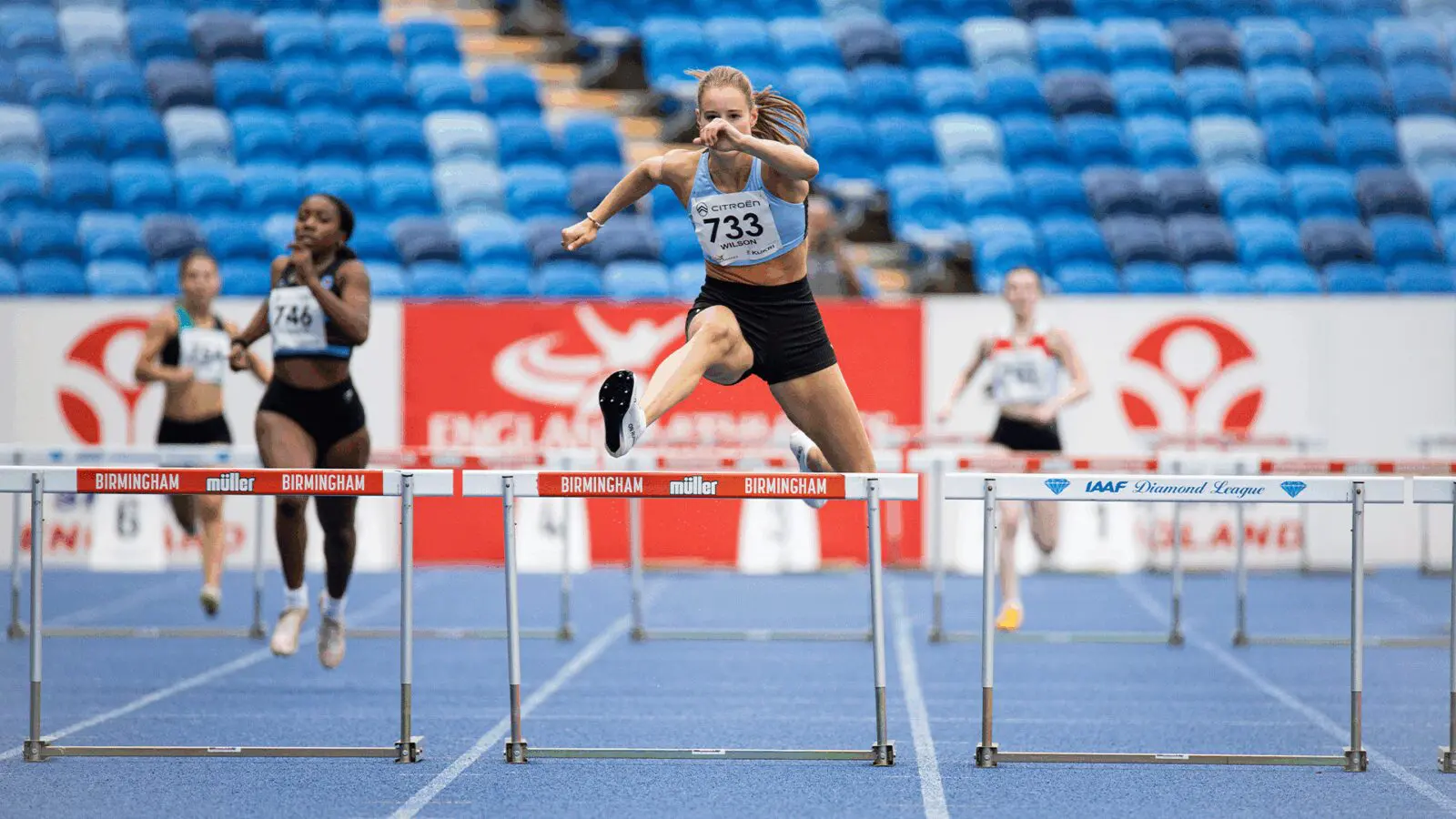
A standout in the 400m hurdles, Wilson finished fourth in the UK senior rankings this year with a PB of 57.34, which was set by fifth at the European Under-20 Championships in Tampere.
She is the only female athlete ever to win all six English Schools and SIAB long hurdles titles. In addition, she broke the British Under-20 300m hurdles record (41.05) this summer and still holds the fastest 400m hurdles time ever recorded by a British 15-year-old girl.
Although a stress fracture in the navicular in early 2023 halted his progress in the heptathlon, Wilson recently transferred to Duke University in the US, where he plans to continue to develop in both the medley and 400m hurdles.
How did you first get into athletics?
I have always been very interested in sports. In Guildford, where I grew up, I was part of a youth sports club; An under 13 sports club run by two amazing people.
But it was my elementary school teacher who noticed that I could actually be pretty good at athletics. When I was in fifth year, he started giving me some coaching outside of school and helped me qualify for the National Preparatory School Competition.
I remember telling my mother. “If I make it to the 100m final, can I get my ears pierced?” I didn’t think I’d make it to the finals, so I thought he’d say yes, and he did. Then I made it to the finals, which was a great experience. I had been running a lot up until that point, and then I realized I was actually pretty good at sprinting as well.
What is your relationship with heptathlon?
My first love in athletics has always been the heptathlon. I remember watching Jessica Ennis-Hill at the 2012 Olympics and thinking. I read his autobiography and always thought. “I really think I can be good at this.
I did well when I was younger, but in the summer of 2023 I had a stress fracture in my navicular, which was horrible. I was eligible to represent England at the Commonwealth Youth Games in Trinidad and Tobago, which would be my first major international competition, but I had to make the difficult decision to withdraw. I think it was the right decision.
How did you fall in the 400m hurdles?
I had already decided that I wanted to try the 400m hurdles before my injury, and since then I have never been back to the same level in multiple events. The heptathlon training load is so intense and the pressure on my leg made it difficult to come back.
I really found that I loved the 400m hurdles and was pretty good at it, so we decided to focus on that for the summers of 2023, 2024 and 2025. However, I did one heptathlon this year and now I’m mainly training as a heptathlete again on campus. I feel like I have so much untapped potential in the event and want to see how far I can go.
I’m also going to continue with the 400m hurdles. I want to see how far I can go with both and may end up having to choose one, but for now they complement each other well. The 400m hurdles is a brutal event, but so is the heptathlon.
How was your experience at the European U20 Championships?
Just getting there felt like an accomplishment, but I knew I was in good shape after a season of solid winter training. My mindset was to give it my all, I had nothing to lose. There was no guarantee that I would make it to the semi-finals or the final, but I gave it my all in every race.
Being on track with Europe’s best, some of whom I had only seen online, was amazing. Being in an argument with them felt surreal.
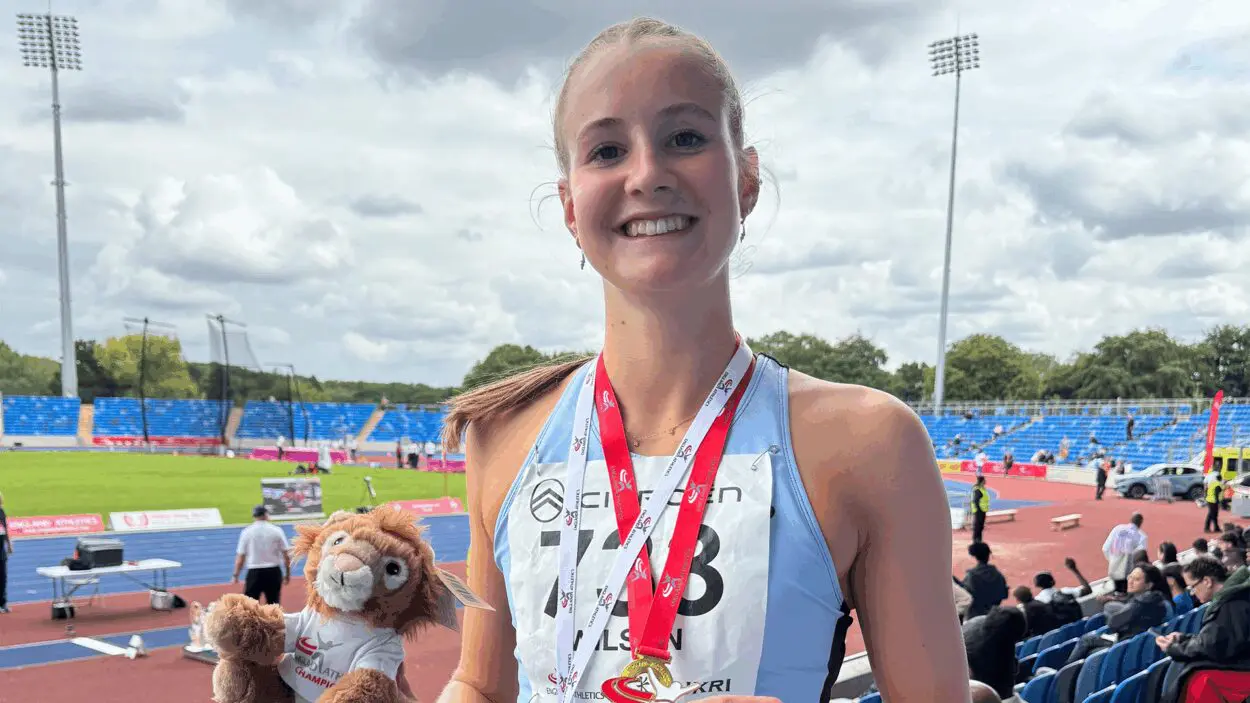
Looking back, I could have won a bronze medal. It was so close. But I was very happy to be fifth with a small PB. It was my first time running a hot semi and I learned a lot about managing fatigue.
How do you find training in the US?
It’s been overwhelming at times, living on the other side of the world from my family, adjusting to American culture, but I embrace it. My training group is great, the coaches are great, and they’ve made me feel really welcome.
What has always been important to me is keeping up with my academics. I know I can’t be an athlete forever. I want to get hired one day and I want to go as far as I can academically.
One of the key factors in choosing the US was the opportunity to train almost like a professional athlete while earning a degree. The UK system doesn’t really support that combination in the same way. Getting better, but not quite the same.
The Dukes campus is stunning, the track is surrounded by huge trees and it feels like a home away from home.
Who are you looking at?
In the 400m hurdles, I’m hugely inspired by Sydney McLaughlin-Levron. What he has done is redefined what people thought was possible, not only in the hurdles, but also in the 400m.
As for British athletes, Jessie Knight has also inspired me, and as I mentioned, Jessica Ennis-Hill has been my biggest idol since I was young. One who has been particularly important over the past few years is Niamh Emerson. He’s had a really tough time with injuries, he actually had the same injury as me. I reached out to him and we’ve been in touch ever since. He offered advice and perspective that was incredibly helpful.
If you could go back to your younger self when you first started this journey, what would you say to him?
I would say. “Try everything. You never know what you’re going to be good at. Don’t limit yourself. Embrace every opportunity. You can get hurt, anything can happen, so make sure you always give 100 percent to everything you do. Nothing can take away from hard work.”

