


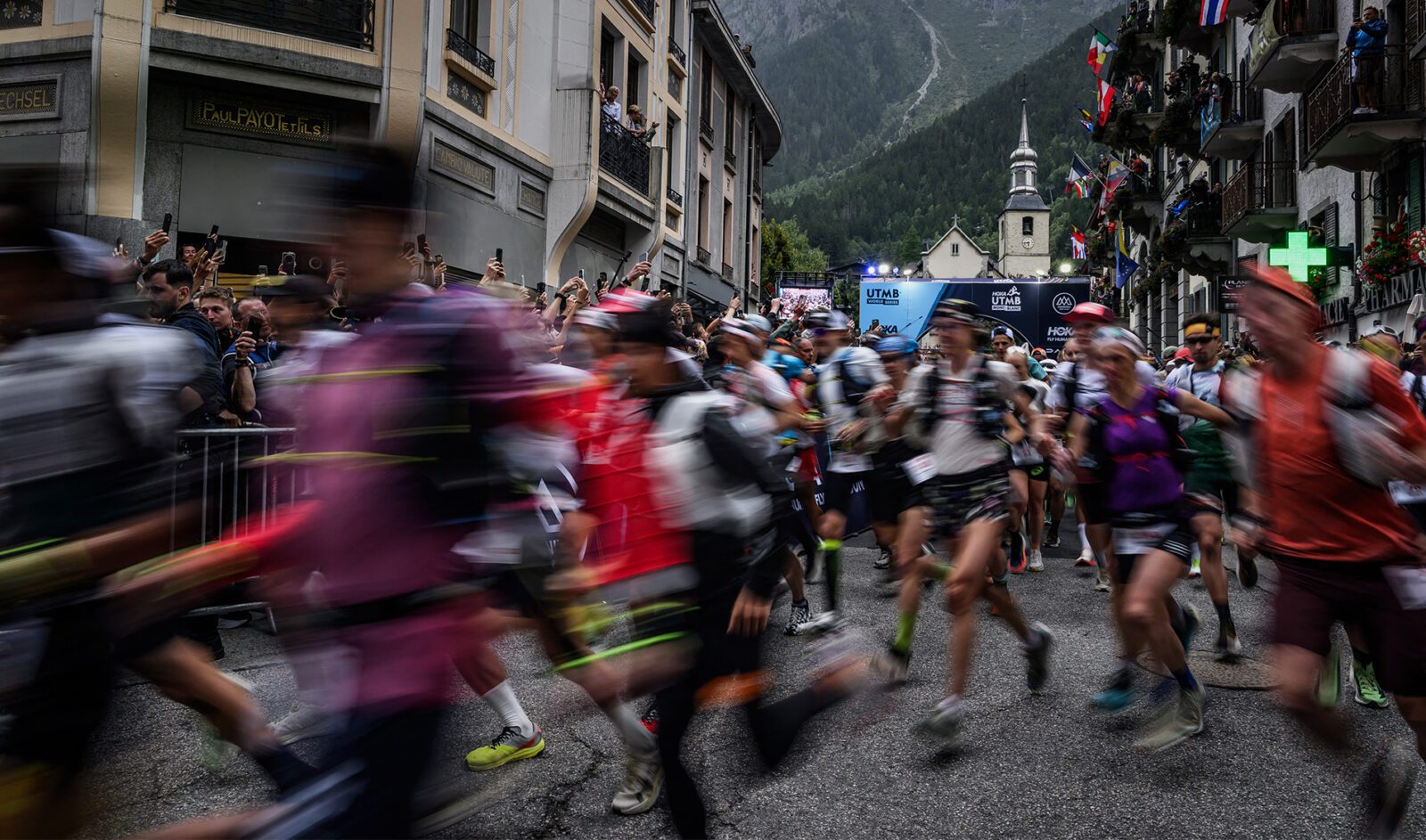
The off-road scene is booming, but does that success come at a price? Matt Walsh examines the pros and cons that have accompanied the rapid rise and considers what athletics as a whole can learn from this corner of the sport.
Trail running used to be a way to get away from it all. Now this is where everyone seems to be going. Races sell out in minutes, brands build marketing calendars around mountain events, and a sport once defined by independence is learning to live off television rights, global circuits and prize purses. The growth has been both remarkable and destabilizing, leaving many runners wondering what happens when a pastime becomes a commercial event, and perhaps even an Olympic sport.
A perfect storm of time and culture
The rise of trail running was not a single event, but a convergence of culture, narratives, and time. Participation has been growing slowly over the past decade, but increased during the pandemic as people sought out open spaces and self-guided challenges. Strava data shows that between 2022 and 2025, the number of trail runs recorded on the platform will double.
The sport also benefits from being visually striking, an aesthetic form of endurance displayed against dramatic landscapes. Over the past decade, YouTubers and filmmakers have flooded social media with short, cinematic images of mountain races and personal challenges. Events such as The Spine, which runs the length of the Pennine Way, have become global cultural moments through ‘dot viewing’ on live tracking maps and daily YouTube updates.
These formats require little infrastructure, but offer compelling stories; endurance as an adventure frame. The Ultra Trail du Mont Blanc (UTMB) and the Golden Trail World Series (GTWS) are now live races almost every weekend. Long-distance running found its narrative engine through these events, turning solitude into shared experience.
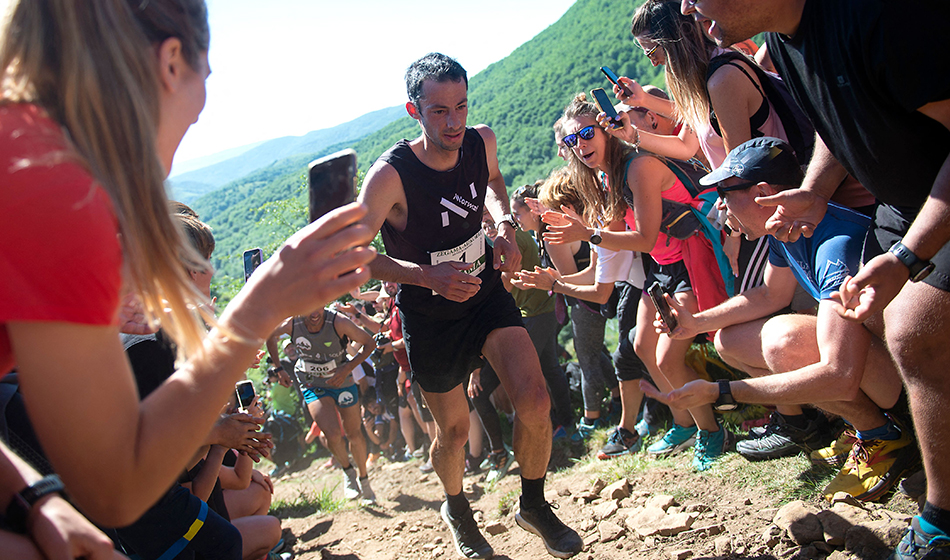
Sports icons helped humanize that story. Kilian Jornet has redefined the limits of endurance before tackling personal mountain projects such as hiking and climbing the 72 highest peaks in the United States in one month. Courtney Dowalter’s humor and humility made her a beacon of the sport as she broke course records. Jim Walmsley’s candor about UTMB’s repeated failures before his 2023 victory made his victory relatable. Their openness and understatement made them role models as well as elite athletes.
Brands quickly recognized the cultural value. Trail running merged performance with identity, giving companies like Salomon, Hoka and The North Face the means to connect technical innovation with lifestyle. Nike and Adidas soon followed with dedicated ride teams. Slowly, what was once an extreme sport turned into a commercial ecosystem.
New professional class
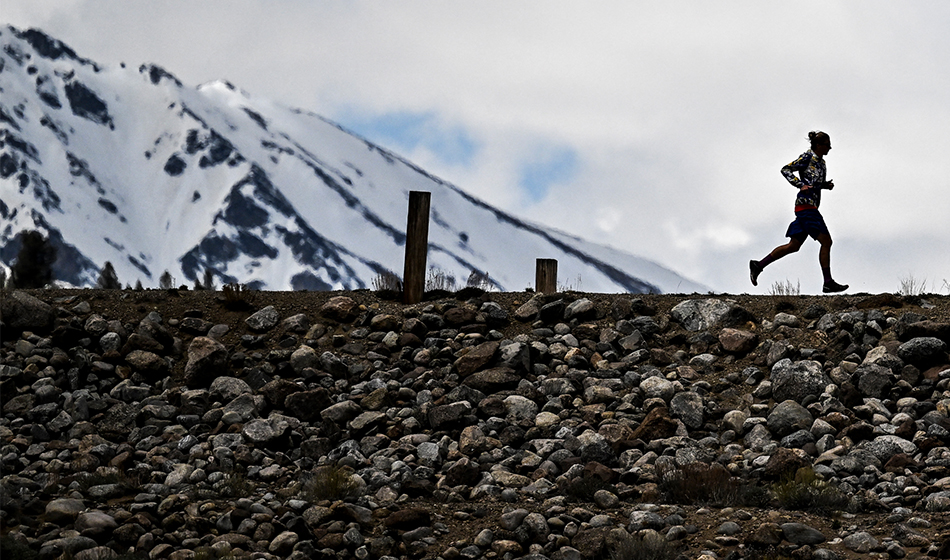
As extreme distance races captured the public imagination, a faster, more structured version emerged. Launched in 2018 by Salomon, the GTWS has combined iconic short-distance races such as the Zegama and the Mont-Blanc Marathon into one professional series.
It offered consistent calendars, prize money and broadcast coverage that transformed running as fast-paced entertainment. As GTWS founder Greg Vollett once told me. “The athletes are the actors, and the course is the stage.”
The GTWS helped professionalize the sport, but also deepened its fragmentation.
The UTMB World Series, Skyrunner World Series and World Trail Majors now run concurrently with different ranking systems. Athletes juggle commercial schemes, national representation and sponsorship commitments, often in overlapping seasons. For fans, keeping track of results in controversial systems is a full-time job.
This patch reflects a sport that is still defining itself. Each series aims to mold a track in its own image, whether through management or ownership. Coordination remains limited and calendars clash in what from a distance looks like a flurry for athletes and organizers trying to plan a season.
Another pertinent consequence of this ill health for athletes is doping. Out-of-competition testing remains inconsistent, as many track events operate outside of the standard World Athletics pool. The result is uneven regulation across continents and regions. Sponsors and athletes are increasingly demanding uniform protocols, although their implementation will require a common governance structure that does not yet exist.
Remaining inconsistencies persist. Race distances, elevation gain and qualification systems are very different. Some organizers emphasize participation and community, others pure performance. That diversity gives the track its character, but it also complicates comparisons and undermines efforts to create a consistent professional level.

UTMB debates
No event better reflects the success and tension of this extension than the Ultra-Trail du Mont-Blanc. What began as a local alpine race in 2003 has become a global circuit of 56 races managed in partnership with the Ironman Group, which acquired 45% of UTMB in 2021. The UTMB World Series has definitely raised the production quality, increased the prize money and combined dozens of events under one banner.
However, the model has also been divisive. Independent race directors fear consolidation concentrates sponsorship and visibility, making it harder for smaller races to survive. Anecdotally, race directors in the UK recently told me that race bookings are harder to come by and fill up later as UTMB attracts entry fees from new and experienced runners. Many athletes appreciate the simplicity and opportunity that UTMB provides, while others see it as an erosion of the sport’s autonomy.
The split has become symbolic of a wider issue. Can the scale run without losing its soul?
From independence to institutions
Rapid growth in professionalism has also catapulted the sport into Olympic contention. Take the creation of the World Mountain and Trail Running Championships, an event organized by World Athletics and the sport’s three governing bodies: ITRA (International Trail Running Association), WMRA (World Mountain Running Association) and IAU (International Ultrarunners Association).
The race has brought with it national teams, federation funding and official medals at short and long distances, heralding a new level of recognition and professionalism.
However, it also introduced the formalities of Olympic-style sports to an area once valued for its informality.
For some this is progress, for others it marks the beginning of an era of bureaucracy that threatens to flatten the sport’s local identity. The essence of trail running has always been its variability. Every landscape, every race and every community tells a different story. Converting that into a single regulated product is a delicate task.
A cultural balancing act
Growth brought prosperity and exposure, though it also made the sport more self-conscious. When every major race is streamed live and monetized, spontaneity becomes scarce. Athletes who once saw running as an escape now navigate sponsorship commitments, media appearances and packed calendars.
Yet the culture remains resilient. Smaller local races continue to thrive, often selling faster than global circuits. Volunteers maintain most of the infrastructure. And the sport’s variety of distance and terrain continues to drive innovation, from vertical kilometers to multi-day stage races. It’s fair to say that the expansion hasn’t wiped out the core, but it’s constantly testing it.
What can the rest of the race learn?
Despite all the chaos surrounding his rise, trail running did something the rest of track and field struggled to do.
While road and track are still defined by predictable formats, trail running has created a product that looks different every weekend. Its diversity is its strength. Races vary in length, terrain and elevation, allowing both elite and amateur runners to find something that feels unique. That variability has become far more attractive than the standardized world of road running, where every event must meet a precision measured by the IAAF.
The route run also solved a problem that the main run has yet to solve. how to tell travel stories. Coverage of elite marathons is often reduced to split times and finishing order. In contrast, trail running thrives on storytelling. Filmmakers like Billy Ian and race organizers like GTWS created formats for storytelling—short, emotional, and deeply visual. Each course has its own personality. each finish looks different.
Management is another point of contrast. World athletics and major marathons struggle to balance commercial interests with athlete representation. Track running, for all its fragmentation, is more like an open source movement. Independent races, athlete-led media and branded schemes coexist to create a competitive marketplace of ideas. The result is messy but dynamic.
Even its commercial model teaches lessons. UTMB’s growth shows that sponsorship should not be based solely on broadcast rights or federation deals. Instead, it can be built around owned events, direct community engagement and content ecosystems that create value far beyond a race weekend. For a sport like road running, which is often dependent on community funding and one-off title sponsors, this approach offers a program of flexibility.
Perhaps most importantly, trail running has managed to make meaning part of its identity. Environmental protection, exploration, and community are based on event positioning. It’s a sport that sells purpose as much as performance. Track and road running, still associated with the language of the times and medals, could benefit from a similar reframing that links athletic excellence with cultural importance.
Route running is far from perfect. it faces governance gaps, inconsistent anti-doping enforcement, and tensions between authenticity and scale. But its success shows that growth in mileage doesn’t necessarily come from chasing speed records or stadium crowds. It can come from building a story that people want to belong to.
Read more from Matt Walsh at Trailmix, a newsletter covering the trail running business and media here.

