


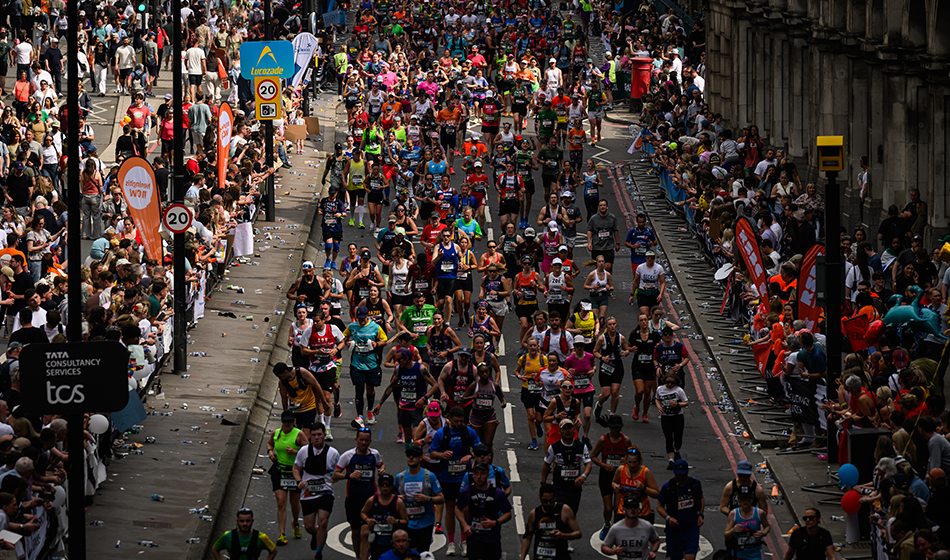
A unique opportunity to stage a weekend of racing in the British capital could bring economic and social benefits of up to £400m next year.
Behind the scenes, the London Marathon staff simply call it “the double”. Exciting plans include holding two marathons on Saturday and Sunday next year, one for mostly women and one for mostly men, with potentially huge benefits in terms of charity fundraising, economic boost, plus the significant social uplift the event has been synonymous with since 1981.
Whether it’s a success or not, London Marathon event director Hugh Brasher insists “there will be a double…one and it’s done”.
“We think more than £130m will be raised for good causes and £400m will bring economic and social benefit to this country, according to research carried out at Sheffield Hallam (University).
The idea of the London Marathon dominating two full days in 12 months is too ambitious, but Brasher says he was inspired by a Robert Browning quote that his father, London Marathon founder Chris Brasher, was fond of:
He adds: “The idea has also been overwhelmingly positive so far.”
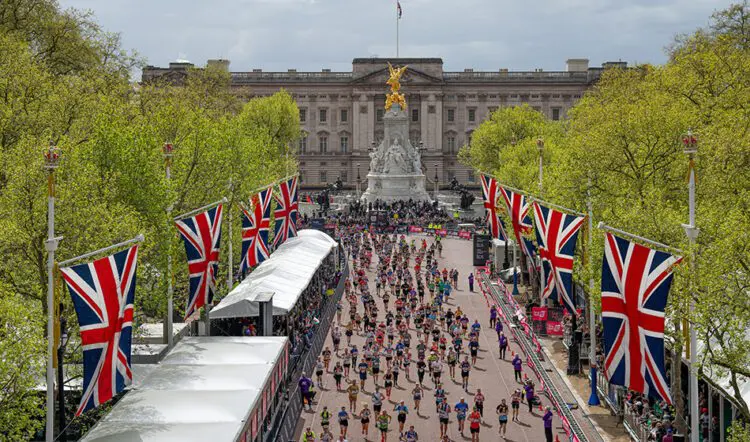
First, however, Brasher needs to get a wide range of stakeholders on board with the idea, from the police and transport networks to the mayor and the London boroughs. Even if the idea takes off, and it surely should be close to agreement, given that Brasher is so outspoken about it now, he’s wary of making it an annual thing.
“You have to remember that the London Marathon has been running for 45 years and it has reached a position of love, not just in the sporting calendar but in the London calendar. You can lose that love very quickly and we need to be mindful of that. And that’s why it’s so simple and complete.”
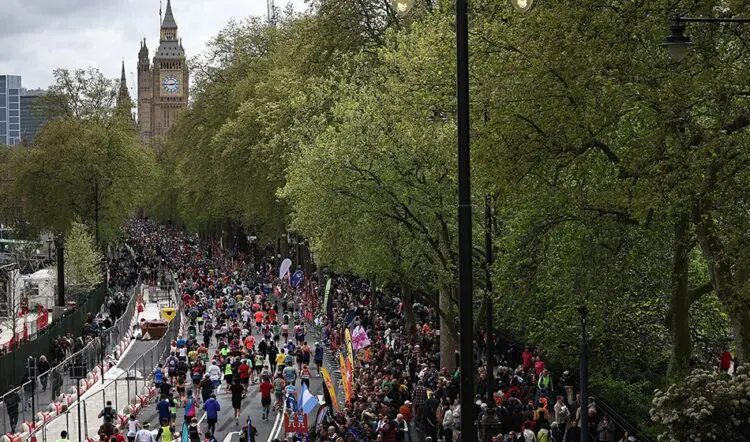
Brasher says his team also has many other goals they want to focus on, such as expanding the Mini London Marathon to 50,000 participants by 2030.
So while it may seem like a one-off, Brasher stresses the need to do it at least once, and why now is the perfect time. “There is a need to do this in this country,” he says.
READ MORE. London Marathon preview
Brasher says one of the original founding pillars of the London Marathon was to show some joy and happiness to a slightly troubled world. “And those words ring true now in 2026 than they did in 1981,” Brasher says.
In the age of social media and artificial intelligence, Brasher also feels that people are likely to continue to seek out real-life moments and experiences, such as running London, more and more.

