


By Martin Graham
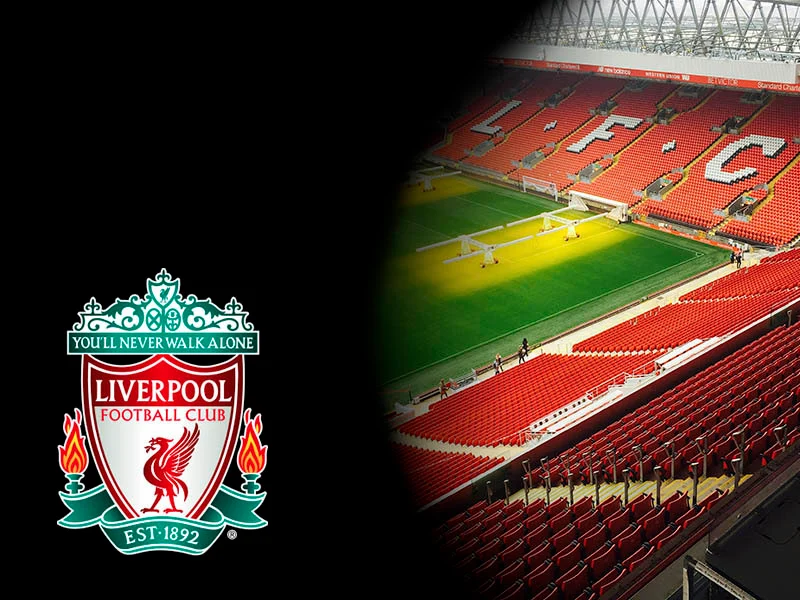
Liverpool’s next Premier League match against Fulham it could start in an unusual atmosphere, with fewer fans inside Anfield during the warm-up. Supporters group Spirit of Shankly have urged fans to delay entry to the stadium as part of a protest titled ‘Not a Pound on the Ground’, encouraging spending at local businesses rather than inside the venue.
The demonstration is the first step in a wider campaign opposing the club’s plan to increase ticket prices over the next three seasons. In its announcement, the group accused the club of ignoring widespread opposition from its own fans and insisted the time for consultation has passed, framing the situation as one that now requires decisive action.
Supporters argue that not contesting the decision could have consequences beyond Liverpool, potentially setting a model that other clubs could adopt. The campaign is positioning itself as not just a local issue, but one that could shape the wider football landscape if left unchallenged.
Pricing strategy and growing frustration
In late March, Liverpool confirmed that ticket prices would rise annually in line with inflation, as measured by the Consumer Price Index, for three consecutive seasons. For the upcoming campaign, season ticket holders will face increases ranging from £21.50 to £27, while individual tickets will increase by between £1.25 and £1.75.
With further adjustments planned in later years, some supporters could end up paying around £100 more for a season ticket in 2028, depending on inflationary trends. This approach is notable as it represents the first instance of a Premier League club announcing multi-year price rises in advance, meaning Liverpool will have raised prices in five out of six seasons by 2028-29.
The financials highlight the club’s strong matchday earnings, averaging £74 per attendee and generating £120m in ticket revenue last year, partly driven by the expansion of the Anfield Road stand. Matchdays bring in approximately £4.5m, making Liverpool one of the top earners in Europe in this area. The latest price increase is expected to add an extra £1.5m to £2m in revenue.
Club officials justified the decision by pointing to increased operating expenses, including significant increases in utilities, commercial rates and staff wages over recent years. While the club believes setting prices upfront offers clarity to supporters, critics argue it places an unfair burden on fans, particularly amid wider economic uncertainty.
Implications for supporters throughout the game
Liverpool supporters have previously managed to influence the club’s policy, most notably in 2016 when a planned ticket increase was reversed after a mass walkout. However, the introduction of a multi-year pricing model has raised concerns among fan groups at other clubs, who fear similar strategies could spread.
According to representatives of the Football Supporters Association, clubs often control each other’s pricing structures, meaning that one club’s decisions can influence others. The lack of ongoing dialogue involved in fixed multi-year increases is also seen as problematic as it removes opportunities for continued engagement between fans and clubs.
Fan protests have become more frequent in the Premier League in recent seasons, targeting not only rising costs but also seating changes designed to expand the more expensive hospitality areas. Discounted ticket reductions for younger and older fans have also caused a backlash at some clubs.
There is a growing feeling among supporters that these changes risk upsetting the traditional make-up of football crowds, potentially leaving long-standing fans in favor of those able to command higher prices. For many, the issue goes beyond individual clubs, reflecting a broader concern to preserve accessibility and maintain the connection between teams and their communities.

