




“There’s a handful of our elite star heavyweights left. Once me, Fury, Wilder are gone, there’s nobody else,” Whyte told talkSport Boxing.
The sense of urgency that Whyte mentioned is already playing out in real time. Just seven months ago, in August 2025, Whyte himself took the “risk” he talked about by facing Moses Itauma in Riyadh. The result was a definitive passing-the-torch moment: Itauma stopped the veteran Whyte in the first round.
We are witnessing a disappearing middle ground. Promoters are no longer interested in the traditional “slow build” of 20 fights. With stars like Tyson Fury, Deontay Wilder and Anthony Joshua entering their final chapters, there is a vacuum at the top that needs to be filled immediately to satisfy broadcast demands from DAZN.
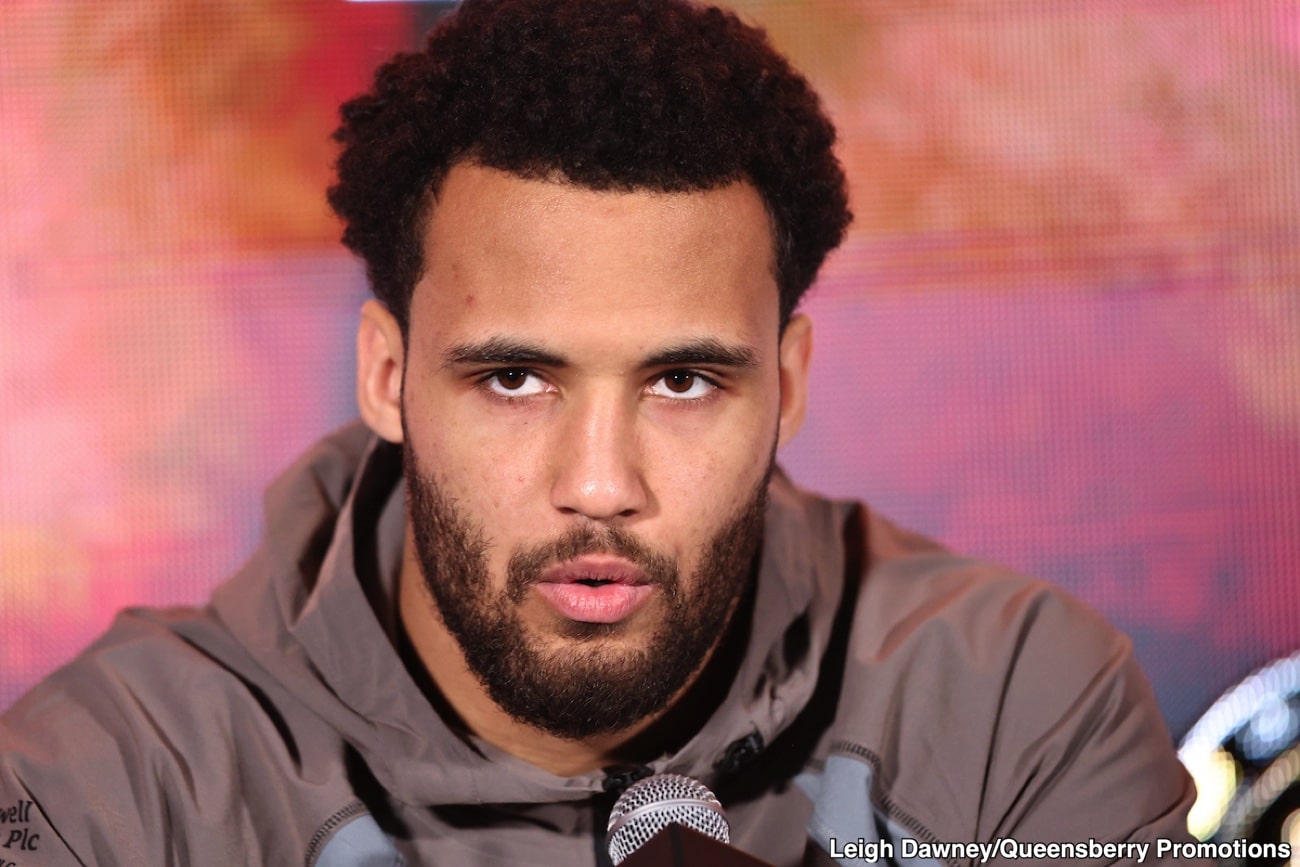
At just 21, Itauma is the poster child for this acceleration. On Saturday, Itauma will fight Jermaine Franklin tomorrow night in Manchester.
Whyte’s observation that there are only a “handful” of elite stars left is supported by the recent matches. We’re seeing more “sink or swim” battles where prospects are thrown in the deep end against battle-tested gatekeepers or aging former champions to see if they can survive the pressure of the spotlight.
“There’s no going back for him now. He’s already stepped into the light,” Whyte said.
Whyte also said the current era and broadcast demands could speed up matchup decisions, with younger fighters moving on to bigger fights more quickly than in previous cycles.
As of today, the heavyweight “waiting room” looks full of talent ready to push forward:
Moses Itauma: Headline big cards and hunt for a world title shot before he turns 22.
Agit Kabayel: Continues to be a nightmare for established names.
Fabio Wardley: Cemented as a major player on the UK and world scene.
The Legends: Fury and Usyk are still the focal points, but the talk is increasingly about who will be left standing when they finally walk away.
Whyte’s willingness to “step into the light” against Itauma may have ended his own run at the top, but it certainly proved his point: the next generation is already here and they’re not waiting for an invitation.


