


Eligibility will be determined by a “once-in-a-lifetime” sex test and is effective from the 2028 Los Angeles Games.
The International Olympic Committee has banned transgender women and DSD (sexual development difference) athletes from participating in the 2028 Los Angeles Olympics and future games.
That means the women’s category will be limited to biological females, whose eligibility is determined by a once-in-a-lifetime gender test. This screening will identify the SRY gene, the Y gene in the sex-determining region, which is part of the Y chromosome and causes the development of male characteristics.
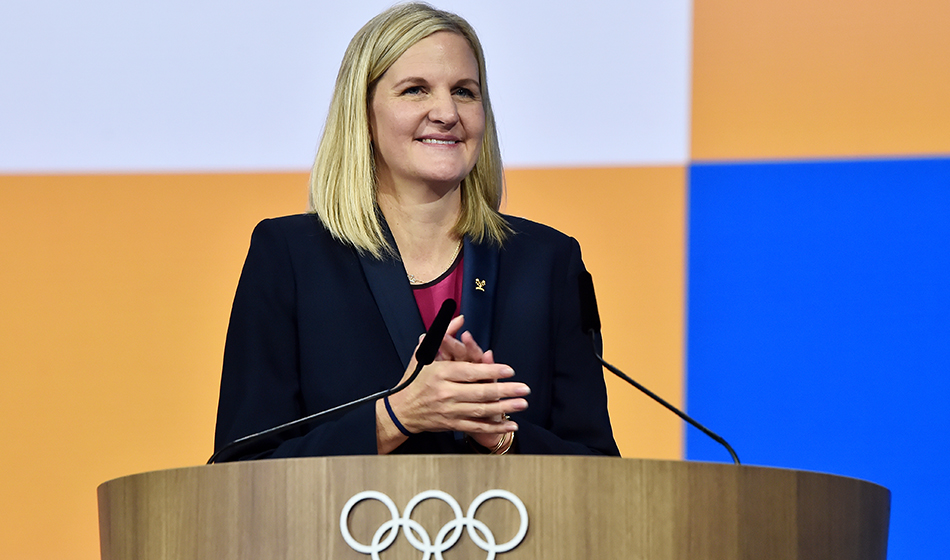
IOC president Kirsty Coventry said it would be led by “medical experts” and that, in general, she “believes in the right of all Olympians to compete fairly”.
“In the Olympics, even the smallest difference can be the difference between victory and defeat,” he said. “So it’s quite clear that it wouldn’t be fair for biological males to compete in the female category. Also, in some sports it just wouldn’t be safe.”
“Every athlete should be treated with dignity and respect, and athletes should only go through this once in their lifetime. There should be clear education about the process and counseling available, as well as specialist medical advice.”

The IOC has previously left gender regulations to national federations, with athletics one of the leading sports, along with swimming, cycling and rowing, to introduce tougher rules.
Last summer, World Athletics approved the introduction of a cheek swab or blood test to determine if an athlete is eligible to compete in the women’s category.
The regulation came into force on September 1 and is applicable for the World Athletics Championships to be held in Tokyo. At the time, World Athletics president Seb Coe stated that “gender cannot defeat biology” and that there should be no “biological glass ceiling”.
The IOC has now taken a similar approach to testing the SRY gene. “Screening using a saliva, cheek swab, or blood sample is noninvasive compared to other possible methods,” the report said.
“Athletes who test negative for the SRY gene consistently meet the eligibility criteria for this policy to compete in the women’s category. Unless there is reason to believe the negative reading is wrong, this will be a once-in-a-lifetime event.”
The IOC added that athletes who fail the test “will continue to be included in all other classifications for which they qualify.”
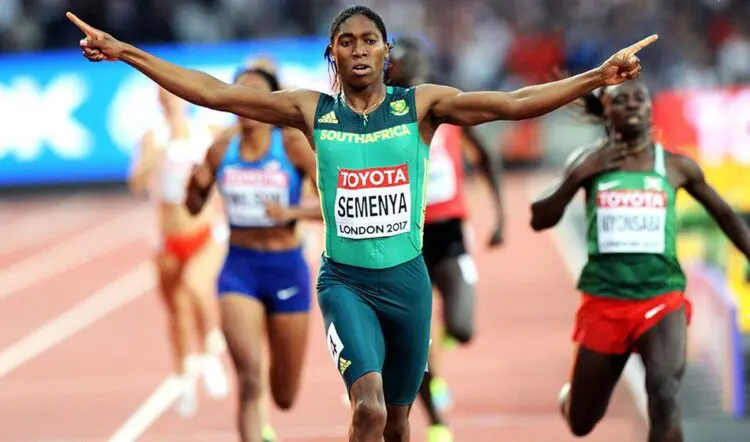
There have been several high-profile cases of DSD athletes in athletics, including Caster Semenya, Francine Nyonsaba and Christine Mboma to name but a few.

