


Smith did not win by movement. He won by contact management.
From early on, Smith repeatedly tied up Matias, disrupting rhythm and killing exchanges before they could build. He would land, jump in and clinch. Over and over. It was the same approach that had troubled Matias before, and once again Matias struggled to respond. Once free, Matias landed hard and clean, slapping Smith’s head and reminding everyone why he built his reputation. Those moments were real. They were also short.
Hearn praised Smith for deciding that boxing at a distance wouldn’t work and choosing to trade instead. That explanation does not quite match what unfolded. Smith did trade in spots, but he never stayed long. The plan was simple, and it was effective. hit Hold tight. Reset. Repeat.
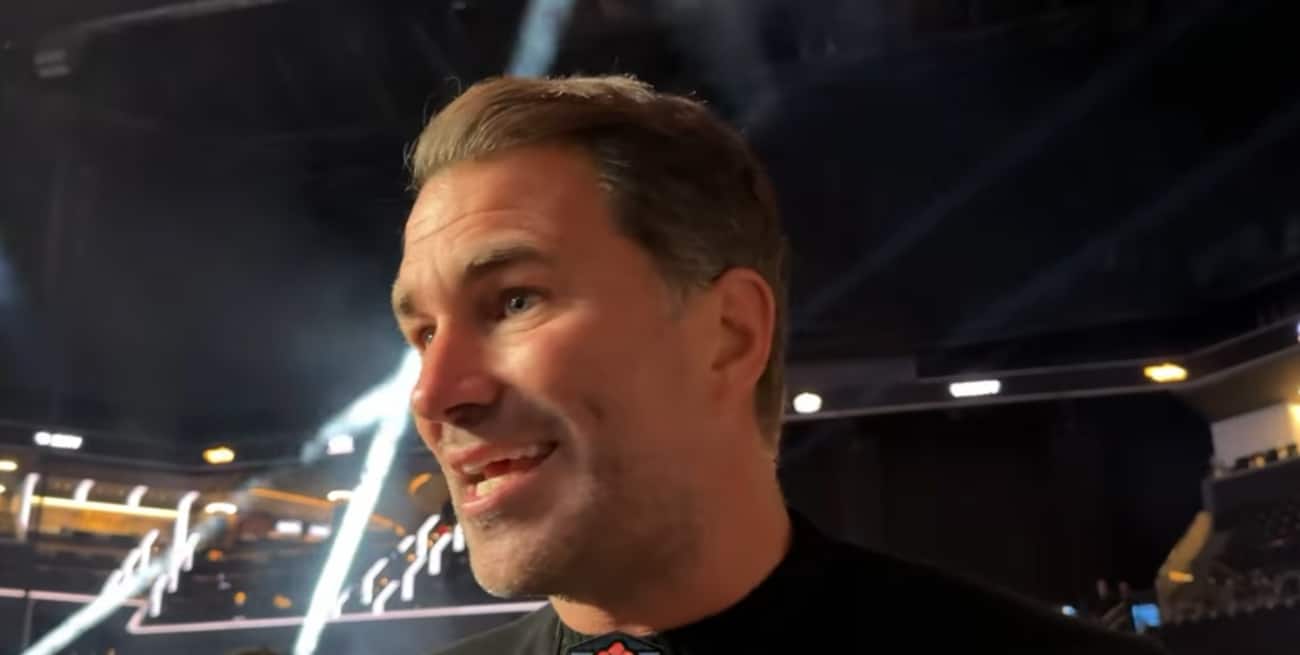
“Nobody did that to Matias,” Hearn said thereafterwhich celebrates both the tee-off and the finish. That part is fair. Matias has never been stopped, and Smith took something from him that night. The leap Hearn made next is more ambitious.
Calling Smith a superstar based on one controlled but messy title fight is promoter optimism doing its job. Smith has proven he can execute a difficult plan under pressure. He also showed that his margin against elite pressure fighters remains small when the beat is not there to save him.
Hearn’s enthusiasm is understandable. His fighter won a world title in hostile conditions. Still, the performance seemed more like a clever solution to a specific problem than a sweeping arrival, and how Smith follows it up will tell the real story.


