


Boxing not only sells fights. It sells identities.
These are not just market skills. It markets stereotypes.
Promoters tackle fighters as symbols of whole nations, whole races, whole cultures. Fans don’t buy the man – they buy the caricature. ‘Mexican style.’ “Slick Black American.” ‘Eastern European machine.’ ‘Irish fighter.’ ‘Asian discipline.’
It is lazy, it is manipulative, and it forms how fighters are observed, matched, judged and even remembered. Boxing’s business model works on cultural shortcuts – and the cost is that real fighters are reduced to cartoons.
The blood and the badge
No stereotype is more armed than ‘Mexican style’.
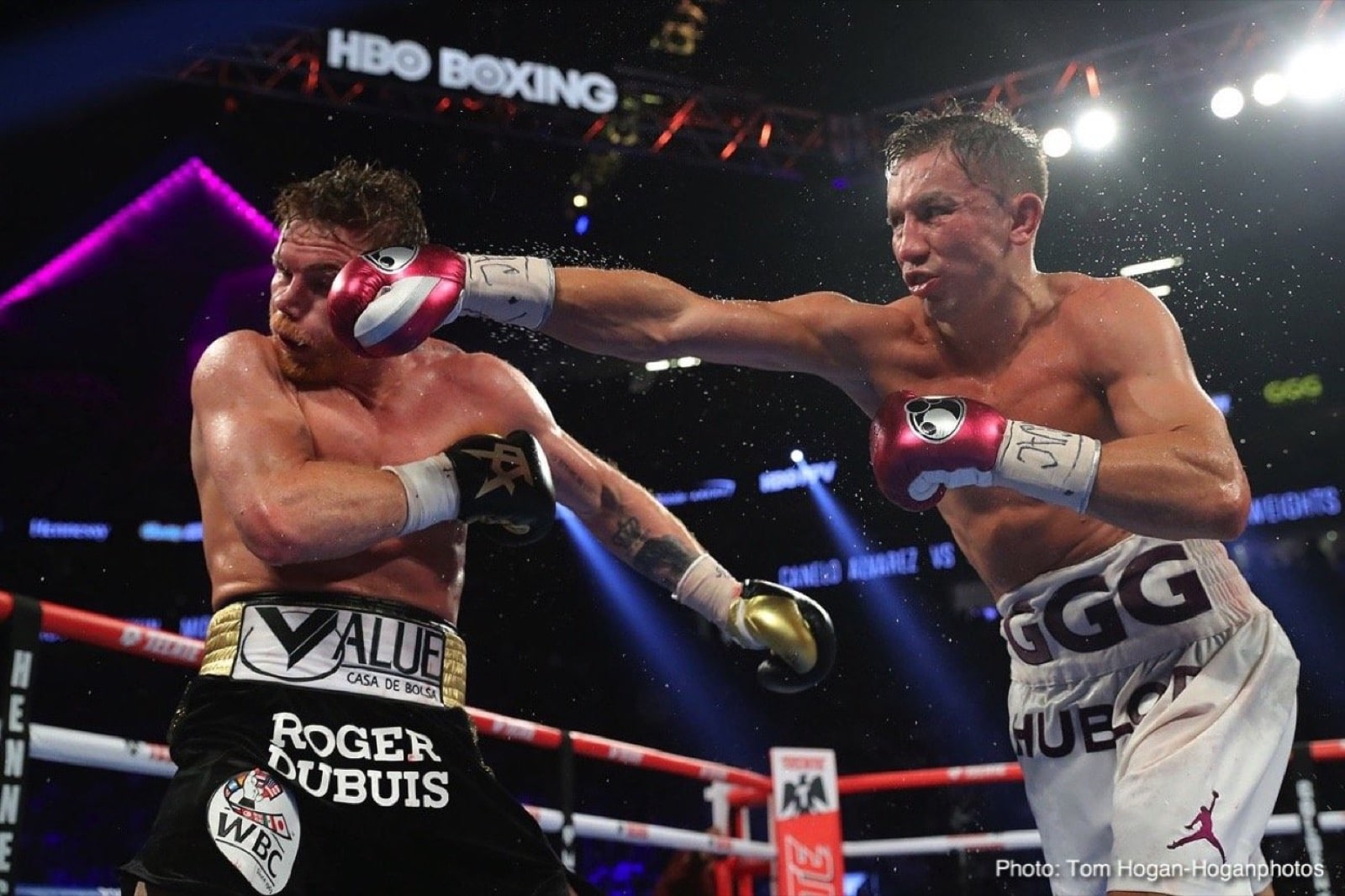
Gennady Golovkin – a Kazakse – built his brand around it. He spoke of ‘Mexican style’ as pressure fights, forward aggression, and took two blows to land one. Fans loved it. Promoters paid.
But real Mexican legends never fought one way. Julio César Chávez was a relentless pressure fighter. Juan Manuel Márquez was a counter packing genius. Salvador Sánchez was a smooth boxer puncher. Erik Morales and Marco Antonio Barrera gave wars, but they also adapted.
There is no single “Mexican style”. It is a marketing invention. Yet fighters are trapped by it. If a Mexican fighter is smart, he is called a runner -up. If he is not prepared to bleed for the crowd, he is branded as less Mexican, less authentic.
This is not a compliment. It’s a cage.
The art they would not praise
The defending mastery of Black American Fighters has been in another stereotype for decades: ‘slick’.
Floyd Mayweather, Pernell Whitaker, James Toney – Masters of Distance, Reflection and Defense – are mocked as ‘boring’, ‘cowards’ or ‘not enough entertainment’. The stereotype of the ‘smooth black American fighter’ has reduced genius to negativity.
But when Vasiliy used Lomachenko footwork and angles, the media praised him as ‘the matrix’, something that had never been seen before. When Whitaker did this years before, he was called a runner -up. When Mayweather perfected it, he was thrown out of arenas.
The art was the same. The reception was not.
The myth of the cold machine
Golovkin, Utsyk, Lomachenko. Their increase is packed as the rise of “Eastern European machines.” Tough, cold, disciplined. Always in shape, never emotionally, like tanks built.
But machines do not bleed. Machines do not break. If these fighters lose, excuses are distributed before throwing their next punch. “Just a bad night.” “Roof.” “He will adapt.”
Their individuality is deleted. It is reduced to archetypes. And fans forgive defects, not because they understand the fighter, but because they bought the machine myth.
The burden of the fighter
Every Irish fighter is sold as a ‘Celtic fighter’. Every British fighter is a “gutters boy who will go out on his shield.” Conor McGregor carried it in MMA, Michael Conlan, in boxing. Ricky Hatton filled stadiums by being ‘one of the boys’.
It sells tickets, but it falls fighters into a big identity. If they try to box smart, they are called soft. If they protect themselves, they are told that they betray the Warrior image.
It is marketing that punishes skill.
The mask of discipline
Asian fighters are rarely marketed as individuals. It is sold as ‘disciplined’, ‘polite’, ‘humble’, ‘robotic precise’.
Naoya inoue is praised as a ‘disciplined monster’, but its glare is often estimated as mechanical inevitability rather than creative genius. Manny Pacquiao, before becoming a global icon, was marketed as “reckless velocity” – a raw braai without nuance – until Freddie Roach reformed the narrative. Fighters from Japan, the Philippines and Thailand are often thrown as reverent machines, not artists.
The stereotype strips it from flair, humor or individuality. This is why, despite his dominance, inoue is rarely discussed with the same aura of danger or unpredictability to less capable Western fighters.
It is not recognition. It is a reduction.
How it distorts the sport
These stereotypes don’t just sell battles – they form it.
- A Mexican boxing on the back foot is struggling.
- A black American defense fighter is mocked as boring unless he plays a knockout.
- After all, a European fighter who loses is forgiven as ‘human’.
- An Asian fighter who dominates is praised for discipline, not glamor.
Reviewers are affected. Fans are conditioned. Fighters are forced to fight for the stereotype instead of fighting for themselves.
Fans are complicated
Promoters sell stereotypes because fans buy it.
It is easier to sing ‘Mexican style’ than to appreciate technical nuances. Easier to dismiss Whitaker than to study him. Easier to hype the ‘Oriental machine’ than to understand the man behind the gloves. Easier to flatten pacquiao or inoue in ‘disciplined Asian’ archetypes than to see them as creative, unpredictable masters.
Boxing fans love to blame promoters and sanctions. But it enables this circus by rewarding the caricature instead of the crafts.
Fighters, not drawing pictures
Boxing is richer than fighters whole, human, is uncovered. When Salvador Sánchez can not only be remembered as a Mexican, but as a genius. When Whitaker is not just as at all, but as one of the greatest defensive thoughts can ever be honored. If utility can not be seen as a machine, but as a man who breaks rhythm and breaks opponents with artistry. If inoue cannot be recognized as disciplined, but as devastating in ways, no stereotype can explain.
Until then, the sport will continue to sell cultures instead of fighters. And fans will continue to buy cartoons instead of champions.
Box does not need a Mexican style, smooth black Americans, eastern machines or Asian discipline. It needs fighters – whole, human and exposed.
Last updated on 09/28/2025

